

Hey there! As a fire brick supplier, I've spent a ton of time in the world of refractory materials. You might be wondering, "How do fire bricks stack up against other refractory materials?" Well, let's dive right in and find out.
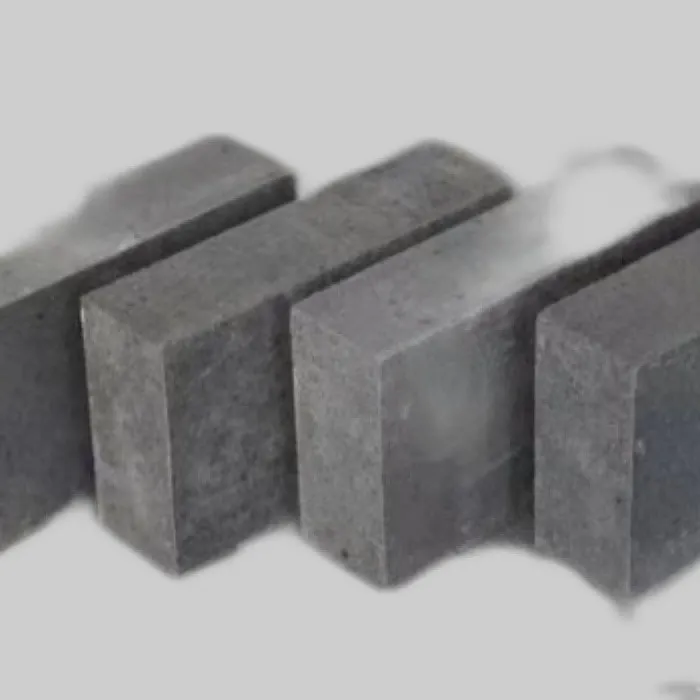
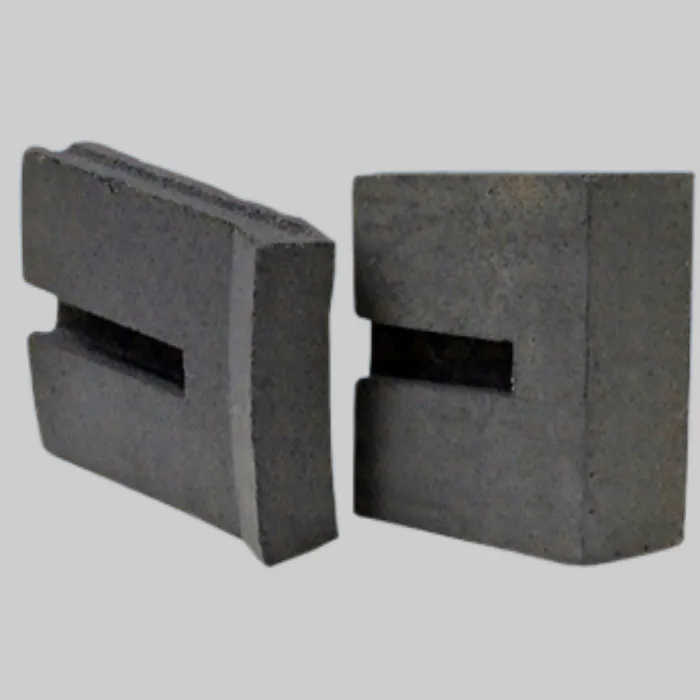
First off, let's talk about what fire bricks are. Fire bricks are special bricks designed to withstand extremely high temperatures. They're made from materials like clay, alumina, and silica, which have high melting points. These bricks are used in all sorts of high - heat applications, like furnaces, kilns, and fireplaces.
Now, let's compare them with some other common refractory materials.
Insulating Fire Bricks vs. Ceramic Fiber Blankets
Insulating fire bricks are a type of fire brick that are known for their low thermal conductivity. They're great at keeping heat in and reducing energy loss. On the other hand, ceramic fiber blankets are also used for insulation in high - temperature environments.
One big advantage of insulating fire bricks is their durability. They can handle mechanical stress better than ceramic fiber blankets. If you've got a furnace that gets a lot of movement or vibration, fire bricks are likely to hold up better over time. Ceramic fiber blankets, however, are more flexible and easier to install in irregularly shaped spaces. They can be cut and molded to fit just about anywhere. But they're also more prone to damage from physical contact.
Fire Bricks vs. Chrome Corundum Brick
Chrome corundum bricks are another type of refractory material. They're made with a combination of chrome oxide and corundum, which gives them excellent resistance to corrosion and high temperatures.
Fire bricks are more versatile in terms of application. They can be used in a wide range of industries, from small - scale artisanal kilns to large industrial furnaces. Chrome corundum bricks, on the other hand, are often used in very specific, high - end applications where corrosion resistance is crucial, like in the chemical industry or in certain types of metal - smelting processes.
The cost is also a factor. Fire bricks are generally more cost - effective for most common applications. Chrome corundum bricks are more expensive due to the high - quality materials used in their production.
Fire Bricks vs. Silicon Carbide Refractory Bricks
Silicon carbide refractory bricks are known for their high thermal conductivity and excellent wear resistance. They're often used in applications where heat needs to be transferred quickly, like in some types of metal - casting furnaces.
Fire bricks, as we mentioned earlier, are better at insulating. If you're looking to keep the heat inside a chamber and reduce energy consumption, fire bricks are the way to go. Silicon carbide bricks are great when you need to move heat efficiently, but they're not as good at containing it.
In terms of strength, silicon carbide bricks are very hard and resistant to abrasion. Fire bricks can vary in strength depending on their composition, but in general, they're not as hard as silicon carbide bricks. However, fire bricks are often more affordable, making them a popular choice for budget - conscious projects.
Fire Bricks vs. Chrome Brick
Chrome bricks are made with chrome oxide, which gives them good resistance to basic slags and high temperatures. They're commonly used in the steel - making industry.
Fire bricks have a broader range of chemical resistance. They can handle both acidic and basic environments to some extent, depending on their composition. Chrome bricks are more specialized for basic environments.
Installation of fire bricks is usually simpler. They come in standard sizes and can be easily laid using traditional brick - laying techniques. Chrome bricks, due to their specialized nature, may require more precise installation methods.
Advantages of Fire Bricks
One of the biggest advantages of fire bricks is their availability. You can find them in a variety of sizes and shapes, which makes them suitable for different projects. Whether you're building a small backyard pizza oven or a large industrial furnace, there's a fire brick that will fit your needs.
They're also relatively easy to work with. You don't need a lot of specialized equipment to cut, shape, or install fire bricks. This makes them a great choice for DIY projects as well as large - scale industrial installations.
Fire bricks are also known for their long - term performance. With proper installation and maintenance, they can last for many years, providing reliable heat resistance and insulation.
Disadvantages of Fire Bricks
While fire bricks have a lot going for them, they're not perfect. One drawback is their weight. They're quite heavy, which can make transportation and installation more difficult, especially in large quantities.
Another issue is that they're not as flexible as some other refractory materials. If you need to fit them into a very irregular shape, it can be challenging. You may have to cut and shape them, which can be time - consuming and may require special tools.
When to Choose Fire Bricks
If you're working on a project with a limited budget, fire bricks are a great option. They offer a good balance between cost and performance. They're also a good choice if you need a material that's easy to install and can handle a variety of temperatures and chemical environments.
For projects where mechanical strength is important, like in industrial furnaces that experience a lot of movement, fire bricks are often the way to go. Their durability makes them able to withstand the stresses of daily use.
Conclusion
So, how do fire bricks compare to other refractory materials? Well, it really depends on your specific needs. Fire bricks offer a lot of advantages, like versatility, affordability, and durability. But other refractory materials, like chrome corundum bricks, silicon carbide refractory bricks, and chrome bricks, have their own unique properties that make them better suited for certain applications.
If you're in the market for refractory materials and think fire bricks might be the right choice for your project, I'd love to chat with you. We can discuss your specific requirements and find the best solution for you. Don't hesitate to reach out for more information and to start a procurement discussion.
References
- "Refractory Materials Handbook"
- Industry reports on refractory materials usage and performance.