

When it comes to high - temperature applications in industries such as metallurgy, ceramics, and glass manufacturing, two popular choices for lining furnaces and other heat - intensive equipment are fire bricks and refractory castables. As a fire brick supplier, I've had extensive experience with both materials and understand their unique characteristics, advantages, and limitations. In this blog, I'll compare fire bricks to refractory castables to help you make an informed decision for your specific needs.
Composition and Manufacturing
Fire bricks are pre - formed, rectangular blocks made from refractory materials such as clay, alumina, silica, and other minerals. These materials are mixed, molded into shape, and then fired at high temperatures to achieve their final hardness and refractory properties. For example, Zirconia Mullite Brick is a type of fire brick that combines the high - temperature resistance of zirconia with the excellent thermal shock resistance of mullite. The manufacturing process of fire bricks allows for precise control over their shape, size, and density, ensuring consistent quality.
On the other hand, refractory castables are a mixture of refractory aggregates, binders, and additives. They are supplied in a dry form and are mixed with water on - site to form a workable paste. Once mixed, the castable can be poured, troweled, or gunned into place, where it hardens and sets. Refractory castables offer more flexibility in terms of application, as they can be used to create complex shapes and repair existing refractory linings.
Installation
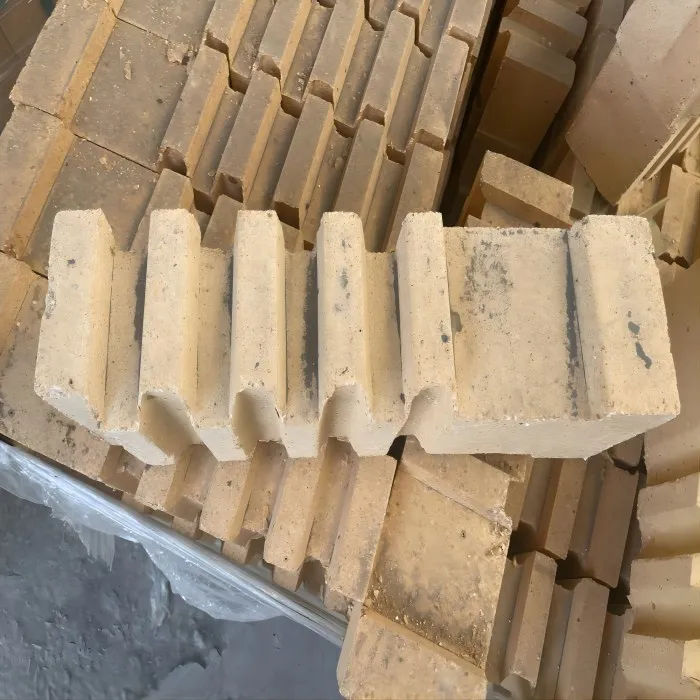
One of the key differences between fire bricks and refractory castables lies in their installation process. Fire bricks require skilled masons for proper installation. Each brick must be carefully laid and aligned, with mortar applied between the joints to ensure a tight seal. The installation of fire bricks is a time - consuming process, especially for large - scale projects. However, the result is a strong, stable lining with well - defined joints that can withstand high - temperature differentials. For instance, Refractory Anchor Brick is often used in applications where additional support is needed, and its proper installation by a professional is crucial for the overall performance of the lining.
Refractory castables, in contrast, are generally quicker and easier to install. The ability to pour or gun the material into place reduces the labor required and speeds up the installation process. This is particularly beneficial for emergency repairs or projects with tight deadlines. Additionally, castables can be used to fill irregular spaces and create seamless linings, which can improve the overall integrity of the refractory system.
Thermal Performance
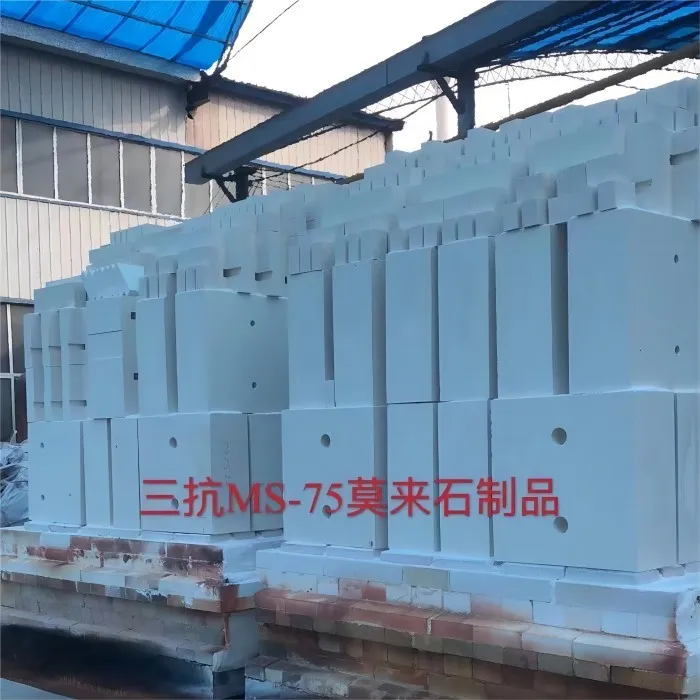
Both fire bricks and refractory castables are designed to withstand high temperatures, but their thermal performance can vary. Fire bricks typically have lower thermal conductivity compared to refractory castables. This means that they are better at insulating heat, reducing heat loss from the furnace or kiln. The dense structure of fire bricks also provides excellent resistance to thermal shock, which is the rapid expansion and contraction of materials due to temperature changes. Corundum Mullite Brick is known for its high - temperature stability and low thermal conductivity, making it suitable for applications where energy efficiency is a priority.
Refractory castables, while they can also offer good thermal resistance, may have slightly higher thermal conductivity in some cases. However, modern castable formulations have been developed to improve their insulating properties. Some castables are designed with lightweight aggregates to reduce their density and improve thermal insulation. The seamless nature of castable linings can also help to minimize heat leakage through joints, which can offset the slightly higher thermal conductivity.
Chemical Resistance
In high - temperature environments, materials are often exposed to various chemicals, such as molten metals, slag, and corrosive gases. Fire bricks and refractory castables have different levels of chemical resistance depending on their composition. Fire bricks made from high - alumina or silica materials generally offer good resistance to acidic and basic slags. The dense structure of fire bricks also helps to prevent the penetration of chemicals into the material.
Refractory castables can be formulated to have specific chemical resistance properties. By choosing the appropriate aggregates and binders, castables can be tailored to resist the specific chemicals present in a particular application. For example, castables with high - chrome content are highly resistant to acidic slags, while those with magnesia content are suitable for basic environments.
Durability and Maintenance
Fire bricks are known for their long - term durability. Once properly installed, they can last for many years, even in harsh operating conditions. However, if a fire brick is damaged, it may need to be replaced individually, which can be a complex and time - consuming process. Regular inspection of the joints and the overall condition of the fire brick lining is necessary to ensure its continued performance.
Refractory castables can also provide good durability, but their lifespan may be affected by factors such as the quality of the installation, the operating conditions, and the frequency of thermal cycling. In some cases, castable linings may develop cracks over time, which can be repaired relatively easily by patching with additional castable material. This makes refractory castables a more cost - effective option for applications where maintenance and repair are frequent.
Cost
The cost of fire bricks and refractory castables can vary depending on several factors, including the material composition, the size and shape of the product, and the quantity required. Fire bricks generally have a higher upfront cost due to the manufacturing process and the labor required for installation. However, their long - term durability and low maintenance requirements can offset the initial investment.
Refractory castables are often more cost - effective in terms of material and installation costs. The lower labor costs associated with their installation and the ability to use them for repairs can result in significant savings over time. Additionally, the flexibility of castables allows for more efficient use of materials, reducing waste and overall project costs.
Conclusion
In conclusion, both fire bricks and refractory castables have their own unique advantages and disadvantages. Fire bricks are a traditional choice, offering excellent thermal insulation, chemical resistance, and long - term durability. They are ideal for applications where a stable, well - defined lining is required, and where energy efficiency is a top priority. On the other hand, refractory castables provide more flexibility in terms of installation, shape, and repair. They are a cost - effective option for projects with tight deadlines or where frequent maintenance is expected.
If you're in the process of selecting a refractory material for your high - temperature application, I encourage you to contact me for more information. As a fire brick supplier, I have the expertise and experience to help you choose the right product for your specific needs. Whether you need Zirconia Mullite Brick, Refractory Anchor Brick, Corundum Mullite Brick, or a custom - formulated refractory castable, I can provide you with the best solutions and support. Let's start a conversation to discuss your project requirements and find the most suitable refractory option for you.
References
- ASTM International. (Year). Standard test methods for refractory materials.
- Schneider, H., & Morell, G. (Year). Refractories handbook. Wiley - VCH Verlag GmbH & Co. KGaA.
- Norton, F. H. (Year). Refractories. McGraw - Hill Book Company.