

Repairing a damaged AZS (Alumina-Zirconia-Silica) block is a crucial task, especially for industries that rely on these refractory materials for high-temperature applications. As a supplier of AZS blocks, I understand the importance of proper repair techniques to ensure the longevity and performance of these essential components. In this blog post, I'll share some in-depth insights on how to repair a damaged AZS block.
Understanding AZS Blocks
Before delving into the repair process, it's essential to have a basic understanding of AZS blocks. AZS blocks are widely used in the glass industry, particularly in glass furnaces, due to their excellent resistance to corrosion, thermal shock, and abrasion. They are made by fusing alumina (Al₂O₃), zirconia (ZrO₂), and silica (SiO₂) together at high temperatures.
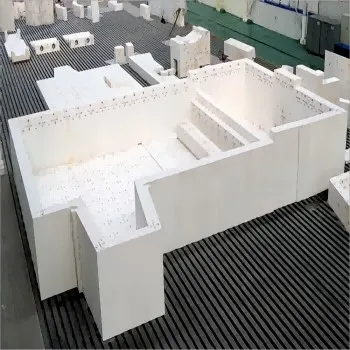
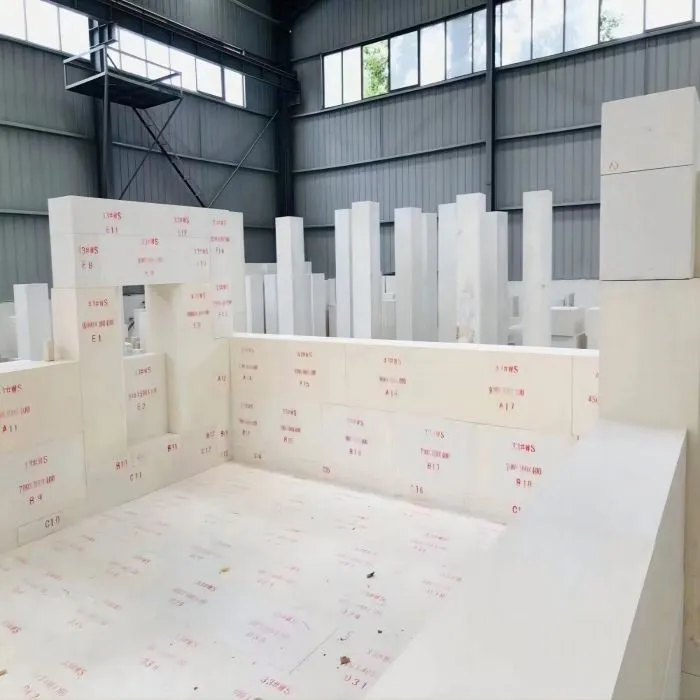
There are different types of AZS blocks available, such as Zirconia Corundum Brick, Zirconium Corundum Brick, and Fused Cast Azs Block. Each type has its unique properties and applications, but the general principles of repair remain similar.
Assessing the Damage
The first step in repairing a damaged AZS block is to assess the extent of the damage. This involves a thorough visual inspection of the block to identify cracks, chips, or other forms of deterioration. It's also important to determine the cause of the damage, as this will help in selecting the appropriate repair method.
- Surface Cracks: Minor surface cracks can often be repaired using a refractory repair mortar. These cracks may not significantly affect the structural integrity of the block but can lead to further damage if left untreated.
- Deep Cracks or Chips: Deeper cracks or chips may require more extensive repair work, such as patching or replacing the damaged section of the block. In some cases, it may be necessary to remove the entire block and install a new one.
- Thermal Damage: Thermal damage, such as spalling or warping, can occur due to rapid temperature changes or prolonged exposure to high temperatures. This type of damage may require specialized repair techniques to restore the block's performance.
Preparing for Repair
Once the damage has been assessed, it's time to prepare for the repair process. This involves gathering the necessary tools and materials, as well as ensuring a safe working environment.
- Tools: Some of the tools you may need for AZS block repair include a grinder, a chisel, a hammer, a trowel, and a brush. Make sure these tools are clean and in good working condition before starting the repair.
- Materials: The materials required for repair will depend on the type and extent of the damage. Common materials include refractory repair mortar, refractory cement, and refractory bricks. It's important to choose materials that are compatible with the AZS block to ensure a proper bond and long-lasting repair.
- Safety Precautions: Working with refractory materials can be hazardous, so it's essential to take appropriate safety precautions. Wear protective clothing, including gloves, goggles, and a respirator, to prevent exposure to dust and other harmful substances. Make sure the work area is well-ventilated to minimize the risk of inhalation.
Repairing Minor Damage
For minor surface cracks or chips, the following steps can be taken to repair the AZS block:
- Clean the Surface: Use a brush or a grinder to remove any loose debris or dirt from the damaged area. This will ensure a good bond between the repair material and the block.
- Prepare the Repair Mortar: Follow the manufacturer's instructions to prepare the refractory repair mortar. Mix the mortar to a smooth consistency, ensuring that there are no lumps or clumps.
- Apply the Mortar: Use a trowel to apply the repair mortar to the damaged area. Make sure to fill the cracks or chips completely, and smooth the surface of the mortar to match the surrounding block.
- Allow the Mortar to Cure: Let the repair mortar cure for the recommended period of time. This will typically take several hours or even days, depending on the type of mortar and the environmental conditions.
- Finish the Repair: Once the mortar has cured, use a grinder or a sandpaper to smooth the repaired area and make it flush with the surrounding block. This will help to prevent any sharp edges or uneven surfaces that could cause further damage.
Repairing Major Damage
In cases where the damage is more severe, such as deep cracks or large chips, more extensive repair work may be required. The following steps can be taken to repair major damage to an AZS block:
- Remove the Damaged Section: Use a chisel and a hammer to carefully remove the damaged section of the block. Make sure to remove all of the cracked or chipped material, leaving a clean and smooth surface for the repair.
- Prepare the Replacement Piece: If a replacement piece is needed, cut it to the appropriate size and shape using a grinder or a saw. Make sure the replacement piece fits snugly into the damaged area and is compatible with the surrounding block.
- Install the Replacement Piece: Apply a layer of refractory cement to the back of the replacement piece and the surrounding area of the block. Carefully place the replacement piece into the damaged area and press it firmly into place. Use a trowel to smooth the edges of the cement and ensure a good bond.
- Fill the Gaps: Once the replacement piece is installed, use a refractory repair mortar to fill any gaps or voids around the edges of the piece. Make sure to fill the gaps completely and smooth the surface of the mortar to match the surrounding block.
- Allow the Repair to Cure: Let the repair cure for the recommended period of time. This will typically take several days or even weeks, depending on the type of cement and the environmental conditions.
- Finish the Repair: Once the repair has cured, use a grinder or a sandpaper to smooth the repaired area and make it flush with the surrounding block. This will help to prevent any sharp edges or uneven surfaces that could cause further damage.
Post-Repair Inspection
After the repair is complete, it's important to conduct a post-repair inspection to ensure that the block is in good condition and ready for use. This involves a visual inspection of the repaired area to check for any signs of cracking, chipping, or other forms of damage. It's also a good idea to test the block's performance under normal operating conditions to ensure that it is functioning properly.
Conclusion
Repairing a damaged AZS block is a complex process that requires careful assessment, preparation, and execution. By following the steps outlined in this blog post, you can effectively repair minor and major damage to AZS blocks, ensuring their longevity and performance.
As a supplier of AZS blocks, I'm committed to providing high-quality products and expert advice to help you with your refractory needs. If you have any questions or need assistance with AZS block repair, please don't hesitate to contact me. We can discuss your specific requirements and provide you with the best solutions for your application. Whether you're looking to purchase new AZS blocks or need help with repair and maintenance, I'm here to support you every step of the way.
References
- ASTM International. (2023). Standard Terminology Relating to Refractory Materials. ASTM C71 - 23.
- Norton, F. H. (1985). Refractories. Addison-Wesley Publishing Company.
- Schneider, H., & Somers, J. M. (2002). High Temperature Materials and Technology. Wiley-VCH Verlag GmbH & Co. KGaA.