

Maintaining high temp bricks is crucial, especially when you're in the business of supplying them like I am. High temp bricks, also known as refractory bricks, are used in a variety of industries where extreme heat is involved, such as steelmaking, glass manufacturing, and even in some high - end home fireplaces. In this blog, I'll share some tips on how to maintain these bricks to ensure they last longer and perform at their best.
Understanding High Temp Bricks
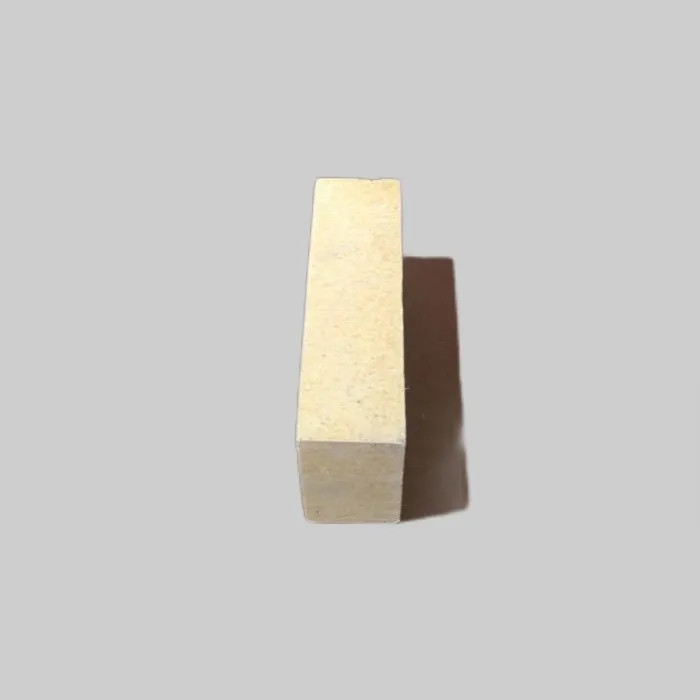
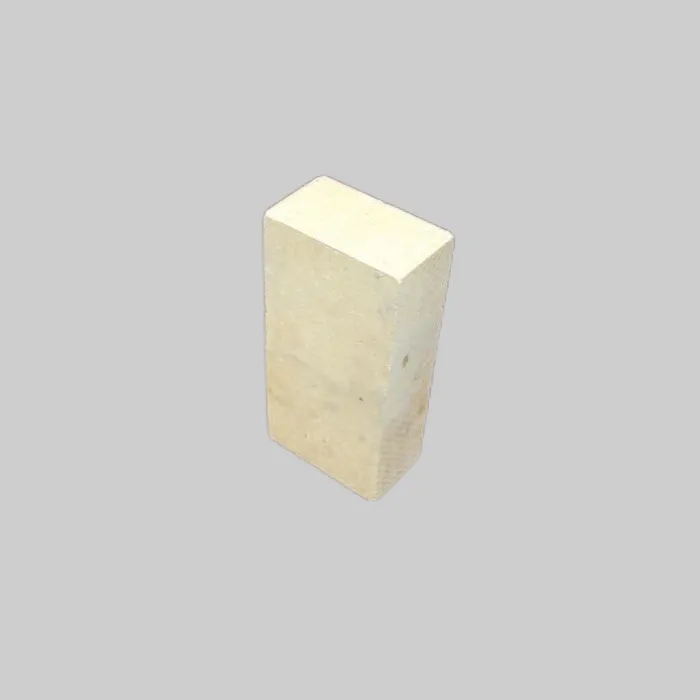
First off, let's talk a bit about what high temp bricks are. These bricks are specially designed to withstand high temperatures without melting or deforming. They're made from materials like alumina, silica, and magnesia, which have high melting points. Different types of high temp bricks are used for different applications. For example, Heavy Duty Fire Brick is great for industrial furnaces that need to handle a lot of heat and wear. Sk34 Firebrick is known for its good thermal insulation properties, and Alumina Silica Brick is a popular choice for many medium - to high - temperature applications.
Storage and Handling
Proper storage and handling are the first steps in maintaining high temp bricks. When storing these bricks, make sure they're kept in a dry place. Moisture can cause the bricks to crack or deteriorate over time. If you're storing them outdoors, cover them with a waterproof tarp. Also, stack the bricks carefully to prevent any damage. Don't stack them too high, as this can cause the bottom bricks to break under the weight.
When handling the bricks, use proper lifting equipment. High temp bricks are heavy, and improper handling can lead to chips or cracks. If a brick is chipped or cracked, it's best to separate it from the rest. A damaged brick won't perform as well and can even cause problems in the long run.
Installation
The way you install high temp bricks is also very important for their maintenance. Make sure the surface where you're installing the bricks is clean and level. Any debris or unevenness can cause stress on the bricks, leading to cracks. Use the right type of mortar for the job. The mortar should be able to withstand the same high temperatures as the bricks.
During installation, leave some expansion joints. High temp bricks expand when heated, and without proper expansion joints, the bricks can crack or break. Follow the manufacturer's instructions for the size and spacing of the expansion joints.
Operation and Use
Once the bricks are installed, how you operate the equipment they're in can greatly affect their lifespan. Don't heat up the equipment too quickly. Rapid temperature changes can cause thermal shock, which can crack the bricks. Instead, gradually increase the temperature over a period of time.
Also, avoid overloading the equipment. If the equipment is used beyond its recommended capacity, it can generate more heat than the bricks can handle. This can lead to premature wear and damage.
Regular Inspections
Regular inspections are a must for maintaining high temp bricks. Check the bricks for any signs of wear, cracks, or erosion. Look for areas where the mortar might be deteriorating. If you notice any problems, address them as soon as possible.
For minor cracks, you might be able to repair them with a suitable refractory patching material. But if the damage is severe, you may need to replace the damaged bricks. It's better to replace a few bricks early on than to wait until the problem spreads and causes more extensive damage.
Cleaning and Maintenance
Cleaning high temp bricks is also an important part of their maintenance. Over time, dirt, dust, and other contaminants can build up on the surface of the bricks. This can affect their thermal properties. Use a soft brush or compressed air to remove loose debris.
If there are stubborn stains or deposits, you can use a mild cleaning solution. But make sure the solution is compatible with the bricks and won't cause any damage. After cleaning, allow the bricks to dry completely before using the equipment again.
Cooling Down
Just like heating up, cooling down the equipment should also be done gradually. Rapid cooling can cause thermal shock, which can damage the bricks. Follow the recommended cooling procedure for the equipment.
Conclusion
Maintaining high temp bricks is a multi - step process that starts from storage and handling, through installation, operation, and regular maintenance. By following these tips, you can ensure that your high temp bricks last longer and perform at their best.
If you're in the market for high temp bricks or have any questions about their maintenance, feel free to reach out. I'm here to help you make the right choices for your specific needs. Whether you're running an industrial furnace or a home fireplace, the quality and maintenance of your high temp bricks are crucial for the efficiency and safety of your operations. So, don't hesitate to get in touch for a purchase or just to have a chat about refractory solutions.
References
- "Refractory Materials Handbook"
- Manufacturer's guides for high temp bricks