

Hey there! I'm a supplier of tundish shrouds, and I'm here to chat about how these nifty little components can have a huge impact on the productivity of a steel plant. So, let's dive right in!
What's a Tundish Shroud Anyway?
First off, for those who might not be super familiar with the steel - making process, a tundish shroud is a refractory tube. It's placed between the tundish (a kind of buffer vessel in the steel - making process) and the mold. Its main job is to guide the molten steel from the tundish into the mold in a controlled way.
You might be thinking, "Okay, it's just a tube. How big of a deal can it be?" Well, let me tell you, it's a pretty big deal. And to understand that, we need to look at a few key areas where a tundish shroud can make a difference.
Impact on Quality of Steel
One of the most important aspects of a steel plant's productivity is the quality of the steel it produces. A good tundish shroud helps in maintaining the purity of the molten steel. When the steel is flowing from the tundish to the mold, it's vulnerable to getting contaminated by the surrounding air. Oxygen in the air can react with the steel, causing oxidation and forming unwanted impurities.
A well - designed tundish shroud acts as a barrier, preventing the air from coming into contact with the molten steel. This means fewer impurities in the final product, which in turn leads to higher - quality steel. High - quality steel is in high demand in various industries, from construction to automotive. So, by ensuring a cleaner steel production process, the tundish shroud indirectly boosts the plant's productivity by making the steel more marketable.
Influence on the Flow Rate of Molten Steel
Another crucial factor is the flow rate of the molten steel. The tundish shroud is designed to control this flow. If the flow is too slow, it can slow down the entire production process. Workers have to wait for the steel to fill the mold, which leads to longer production cycles and less output over a given period.
On the other hand, if the flow is too fast, it can cause problems like splashing and uneven filling of the mold. This can result in defective products that need to be scrapped, again reducing productivity. A properly functioning tundish shroud ensures a steady and optimal flow rate, keeping the production line running smoothly.
Reducing Downtime
Downtime is the enemy of productivity in any manufacturing plant, and steel plants are no exception. A faulty tundish shroud can lead to a lot of downtime. For example, if the shroud gets clogged, the flow of molten steel is interrupted. Workers then have to stop the production process, remove the clogged shroud, and install a new one. This not only takes time but also requires additional labor.
As a tundish shroud supplier, I've seen firsthand how a high - quality shroud can minimize these issues. Our shrouds are made from high - grade refractory materials that are resistant to clogging and corrosion. This means fewer interruptions in the production process and more time spent actually making steel.
Comparison with Related Components
It's also interesting to compare the tundish shroud with other components in the steel - making process, like the Ladle Shroud and the Well Blcok. While the ladle shroud is used to transfer molten steel from the ladle to the tundish, the tundish shroud takes over from there and guides the steel into the mold. Each component has its own specific role, but they all work together to ensure a seamless steel - making process.
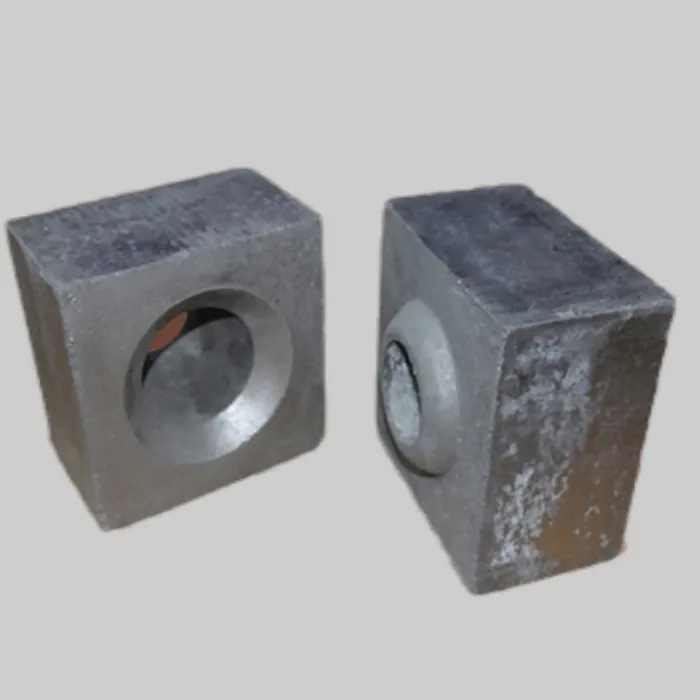
The well block, on the other hand, is an important part of the tundish. It helps in controlling the flow of steel out of the tundish and into the shroud. A good combination of these components, including a reliable tundish shroud, is essential for maximum productivity.
Cost - Efficiency
In addition to all these productivity - related benefits, a good tundish shroud can also be cost - efficient. While the initial investment in a high - quality shroud might be a bit higher, the long - term savings are significant. As I mentioned earlier, it reduces downtime, which means less money spent on labor during unproductive periods. It also reduces the amount of scrap steel due to contamination and defective products, saving on raw material costs.
How to Choose the Right Tundish Shroud
When it comes to choosing a tundish shroud, there are a few things to keep in mind. First, the material is crucial. You want a shroud made from a refractory material that can withstand the high temperatures of molten steel without breaking down or reacting with the steel.
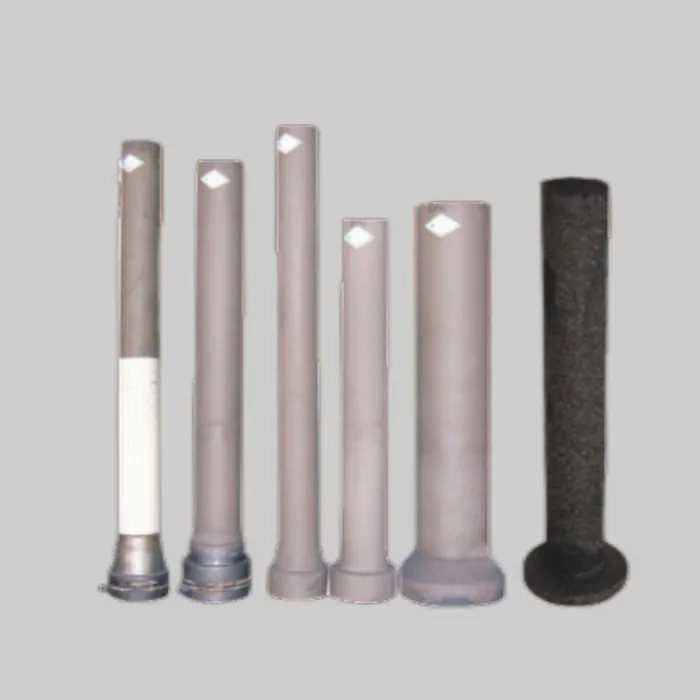
The design of the shroud also matters. It should be designed to provide a smooth and even flow of steel. And of course, reliability is key. You don't want a shroud that's going to fail after just a few uses. As a supplier, I can offer expert advice on choosing the right shroud for your specific steel - making process.
Conclusion
So, as you can see, a tundish shroud plays a vital role in the productivity of a steel plant. It affects the quality of the steel, the flow rate of the molten steel, downtime, and cost - efficiency. By investing in a high - quality tundish shroud, steel plants can significantly boost their productivity and stay competitive in the market.
If you're in the steel - making business and are looking for a reliable tundish shroud supplier, I'd love to have a chat with you. We can discuss your specific needs and find the perfect solution for your plant. Just reach out, and let's start a conversation about how we can work together to improve your productivity.
References
- "Steelmaking and Refining Processes" by B. G. Thomas
- "Refractories in Steelmaking" by P. C. Patil