

Refractory cement is a specialized type of cement designed to withstand high temperatures, typically above 1,000 degrees Celsius (1,832 degrees Fahrenheit). It is used in a variety of applications where traditional cement would fail due to heat, chemical corrosion, or mechanical stress. As a leading supplier of refractory cement, I have witnessed firsthand the diverse and critical uses of this remarkable material. In this blog post, I will explore the many applications of refractory cement and how it can benefit your projects.
Industrial Furnaces and Kilns
One of the primary uses of refractory cement is in the construction and repair of industrial furnaces and kilns. These high-temperature environments require materials that can withstand extreme heat, thermal shock, and chemical erosion. Refractory cement is used to line the interior of furnaces and kilns, providing insulation and protection for the structural components.
In steelmaking, for example, refractory cement is used to line the walls and floors of blast furnaces, electric arc furnaces, and ladles. These furnaces operate at temperatures exceeding 1,600 degrees Celsius (2,912 degrees Fahrenheit), and the refractory lining must be able to withstand the intense heat and corrosive slag. Castable Refractory Cement 50 Lbs is a popular choice for these applications due to its high strength, excellent thermal shock resistance, and ease of installation.
In the ceramics industry, refractory cement is used to line kilns for firing pottery, porcelain, and other ceramic products. Kilns can reach temperatures of up to 1,400 degrees Celsius (2,552 degrees Fahrenheit), and the refractory lining must be able to maintain its integrity and shape during the firing process. High Alumina Refractory Cement is often used in these applications due to its high alumina content, which provides excellent thermal insulation and resistance to chemical attack.
Foundries and Metalworking
Refractory cement is also widely used in foundries and metalworking facilities. In foundries, it is used to line the crucibles, ladles, and pouring spouts that are used to melt and pour molten metal. The refractory lining must be able to withstand the high temperatures of the molten metal, as well as the mechanical stress and abrasion caused by the flow of the metal.
In metalworking, refractory cement is used to line induction furnaces, electric arc furnaces, and other types of melting equipment. These furnaces operate at high temperatures and require a refractory lining that can provide efficient heat transfer and protection against thermal shock. Alumina Refractory Cement is a common choice for these applications due to its high alumina content, which provides excellent thermal conductivity and resistance to corrosion.
Power Generation
Refractory cement plays a crucial role in the power generation industry. In coal-fired power plants, it is used to line the boilers, furnaces, and chimneys. The refractory lining must be able to withstand the high temperatures and corrosive gases produced by the combustion of coal. It also helps to improve the efficiency of the boiler by reducing heat loss and preventing the erosion of the metal components.
In gas-fired power plants, refractory cement is used to line the combustion chambers and exhaust systems. The refractory lining must be able to withstand the high temperatures and pressures of the combustion process, as well as the chemical attack from the combustion gases. Castable refractory cement is often used in these applications due to its ability to be molded into complex shapes and its excellent resistance to thermal shock.
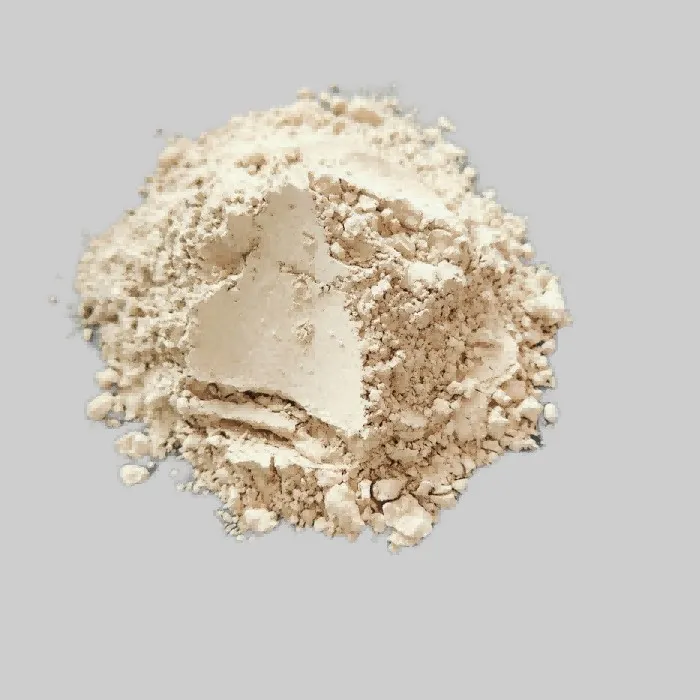
Chemical and Petrochemical Industries
The chemical and petrochemical industries also rely on refractory cement for a variety of applications. In chemical processing plants, it is used to line reactors, distillation columns, and other equipment that is exposed to high temperatures and corrosive chemicals. The refractory lining must be able to withstand the chemical attack and maintain its integrity under harsh operating conditions.
In the petrochemical industry, refractory cement is used to line the furnaces, heaters, and cracking units that are used in the refining process. These units operate at high temperatures and require a refractory lining that can provide efficient heat transfer and protection against thermal shock. High alumina refractory cement is often used in these applications due to its high strength and excellent resistance to chemical corrosion.
Other Applications
In addition to the above applications, refractory cement is also used in a variety of other industries and applications. It is used in the construction of fireplaces and wood stoves, where it provides insulation and protection against heat. It is also used in the production of glass, where it is used to line the melting tanks and furnaces.
Refractory cement can also be used for repair and maintenance work. It can be used to patch and repair damaged refractory linings in furnaces, kilns, and other high-temperature equipment. This can help to extend the service life of the equipment and reduce the need for costly replacements.
Conclusion
Refractory cement is a versatile and essential material that is used in a wide range of industries and applications. Its ability to withstand high temperatures, thermal shock, and chemical corrosion makes it an ideal choice for lining furnaces, kilns, foundries, and other high-temperature equipment. As a supplier of refractory cement, I am committed to providing high-quality products that meet the specific needs of our customers.
If you are in need of refractory cement for your project, I encourage you to contact us to discuss your requirements. Our team of experts can help you select the right type of refractory cement for your application and provide you with the technical support and advice you need to ensure a successful project. We look forward to working with you and helping you achieve your goals.
References
- "Refractory Materials: Properties, Selection, and Applications" by John N. Parker
- "Handbook of Refractory Technology" by G. Y. Onoda Jr. and L. L. Hench
- Various industry publications and technical reports on refractory cement and its applications.