

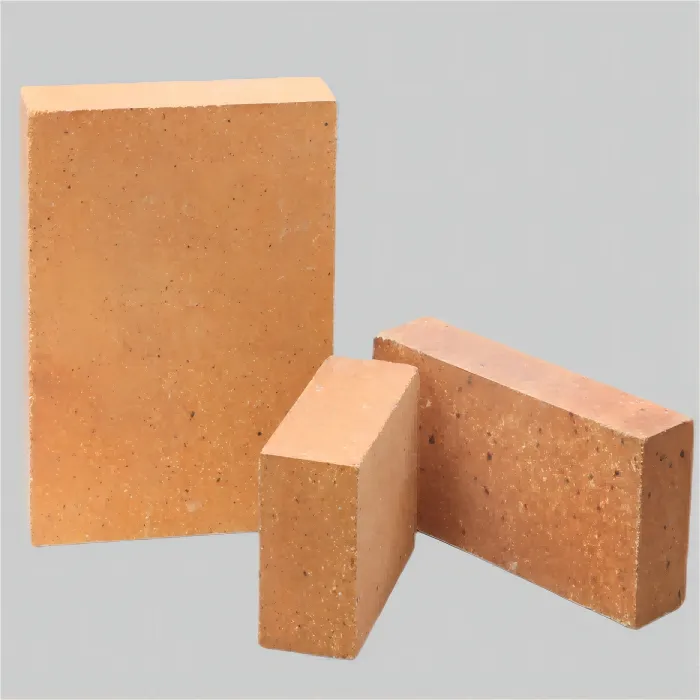
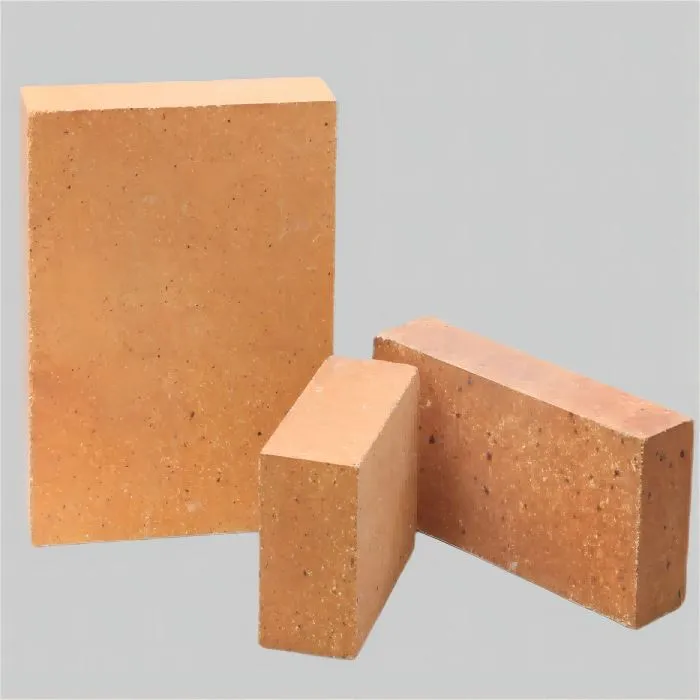
Alumina bricks are widely recognized for their excellent refractory properties, making them a staple in high - temperature industrial applications. As a leading alumina brick supplier, I have witnessed firsthand the diverse ways these bricks interact with different chemicals. Understanding these reactions is crucial for ensuring the longevity and efficiency of various industrial processes.
Reaction with Acids
Acids can have a significant impact on alumina bricks. Strong acids, such as sulfuric acid (H₂SO₄) and hydrochloric acid (HCl), can react with the alumina (Al₂O₃) component in the bricks. The reaction between alumina and acids is generally a chemical dissolution process.
When alumina bricks come into contact with sulfuric acid, the following reaction occurs:
Al₂O₃ + 3H₂SO₄ → Al₂(SO₄)₃+ 3H₂O
This reaction leads to the formation of aluminum sulfate and water. The aluminum sulfate is soluble in water, which means that over time, the acid will gradually dissolve the alumina in the brick, weakening its structure.
Similarly, hydrochloric acid reacts with alumina as follows:
Al₂O₃ + 6HCl → 2AlCl₃ + 3H₂O
The resulting aluminum chloride is also soluble, causing the brick to erode. In industrial settings where acid - containing gases or solutions are present, such as in some chemical manufacturing plants or waste incinerators, the choice of alumina brick needs to be carefully considered. High - purity alumina bricks with a dense microstructure are often more resistant to acid attack because they have fewer pores for the acid to penetrate.
Reaction with Bases
Bases, like sodium hydroxide (NaOH) and potassium hydroxide (KOH), also react with alumina bricks. Alumina is amphoteric, which means it can react with both acids and bases. When alumina reacts with sodium hydroxide, the reaction is:
Al₂O₃ + 2NaOH + 3H₂O → 2Na[Al(OH)₄]
This reaction forms sodium aluminate, which is soluble in water. In a high - temperature and high - base environment, such as in some metallurgical processes where alkaline fluxes are used, the alumina brick may experience corrosion.
The reaction rate with bases is often influenced by temperature and the concentration of the base. Higher temperatures and higher base concentrations generally accelerate the reaction. To mitigate the impact of base attack, some alumina bricks are specially formulated with additives that can form a protective layer on the surface of the brick, reducing the direct contact between the base and the alumina.
Reaction with Metal Oxides
In many industrial processes, alumina bricks may come into contact with various metal oxides. For example, in the steelmaking industry, iron oxides are present in large quantities. When alumina reacts with iron oxide (Fe₂O₃), a solid - state reaction can occur at high temperatures.
Al₂O₃ + Fe₂O₃ → 2FeAlO₃
This reaction forms iron aluminate. The formation of this new compound can change the physical and chemical properties of the alumina brick. In some cases, it may lead to an increase in the volume of the brick, which can cause stress and cracking.
Other metal oxides, such as magnesium oxide (MgO) and calcium oxide (CaO), can also react with alumina. For instance, the reaction between alumina and magnesium oxide can form magnesium aluminate spinel (MgAl₂O₄) at high temperatures.
MgO + Al₂O₃ → MgAl₂O₄
This spinel phase can have beneficial effects in some applications. It can improve the thermal shock resistance and mechanical strength of the alumina brick. However, if the reaction is not well - controlled, it can also lead to undesirable changes in the brick's properties.
Reaction with Carbon - containing Substances
In environments where carbon - containing substances are present, such as in some reducing atmospheres or in the presence of coal or coke, alumina bricks can undergo reactions. At high temperatures, carbon can react with alumina to form aluminum carbide (Al₄C₃).
4Al₂O₃+ 3C → Al₄C₃ + 6CO
Aluminum carbide is a brittle and reactive compound. It can react with water vapor in the atmosphere to form methane and aluminum hydroxide, which can cause the brick to expand and crack.
In addition, in some applications where carbon - based refractory materials are used in combination with alumina bricks, there may be a diffusion of carbon into the alumina brick. This can change the chemical composition and microstructure of the brick, affecting its performance.
Application - specific Considerations
Different industrial applications require different alumina brick properties based on the chemicals they will encounter. For example, in a glass - melting furnace, the bricks need to be resistant to the attack of alkali oxides present in the glass batch. Our Sk34 Firebrick is a great choice for such applications. It has a high alumina content and a well - designed microstructure that provides excellent resistance to alkali attack.
In a fire kiln, the bricks are exposed to high temperatures and various combustion products. Our Fire Kiln Bricks are engineered to withstand these conditions. They are designed to resist thermal shock and the corrosion caused by the gases produced during the firing process.
For large - scale industrial furnaces that require large - sized bricks, our Large Refractory Bricks offer the necessary strength and durability. These bricks are carefully manufactured to ensure uniform quality and performance, even when exposed to harsh chemical environments.
Conclusion
As an alumina brick supplier, I understand the importance of providing high - quality products that can withstand the chemical challenges of different industrial applications. The reactions between alumina bricks and various chemicals are complex and depend on many factors, such as temperature, chemical concentration, and the microstructure of the brick.
If you are in need of alumina bricks for your industrial processes, it is essential to carefully consider the chemical environment they will be exposed to. Our team of experts can help you select the most suitable alumina brick for your specific needs. Whether you are dealing with acid - rich, base - rich, or metal - oxide - containing environments, we have the products and knowledge to support your operations. Contact us today to start a discussion about your alumina brick requirements and let us help you find the best solution for your business.
References
- "Refractories Handbook" by Klaus T. Jacob
- "High - Temperature Materials and Technology" by John B. Wachtman
- Journal articles on refractory materials and their chemical reactions in industrial environments.