

As a supplier of refractory nozzles, I understand the crucial role these components play in the ladle system of steelmaking and other high - temperature industrial processes. Optimizing the use of a refractory nozzle in a ladle is not only about enhancing the efficiency of the operation but also about ensuring the quality of the final product and the safety of the entire process. In this blog, I will share some insights on how to achieve this optimization.
Understanding the Basics of Refractory Nozzles in Ladles
Refractory nozzles are used in ladles to control the flow of molten metal. They are exposed to extremely high temperatures, corrosive molten metals, and mechanical stresses. Different types of refractory nozzles are available, each with its own unique properties and applications. For example, the Refractory Collector Nozzle is designed to collect and direct the flow of molten metal from the ladle, while the Zirconia Nozzle offers excellent thermal shock resistance and corrosion resistance, and the Zirconium Sizing Nozzle is used to precisely control the flow rate of the molten metal.
Selecting the Right Refractory Nozzle
The first step in optimizing the use of a refractory nozzle in a ladle is to select the right type of nozzle for the specific application. Factors such as the type of molten metal, the temperature of the process, the flow rate requirements, and the service life expectations should be considered.
- Type of Molten Metal: Different molten metals have different chemical compositions and corrosive properties. For example, steel has a different corrosion mechanism compared to aluminum. Therefore, the refractory material of the nozzle should be selected based on its resistance to the specific molten metal. Zirconia - based nozzles are often a good choice for steelmaking due to their high resistance to corrosion by molten steel.
- Temperature: The operating temperature of the ladle can vary significantly depending on the process. Nozzles need to be able to withstand these high temperatures without significant deformation or degradation. High - alumina refractory nozzles are suitable for applications with relatively high temperatures, as they have good thermal stability.
- Flow Rate Requirements: The size and design of the nozzle should be selected to meet the required flow rate of the molten metal. A nozzle that is too small may restrict the flow, leading to slow pouring and potential blockages, while a nozzle that is too large may result in an uncontrollable flow and splashing.
Installation and Maintenance
Proper installation and maintenance are essential for optimizing the performance of refractory nozzles in ladles.
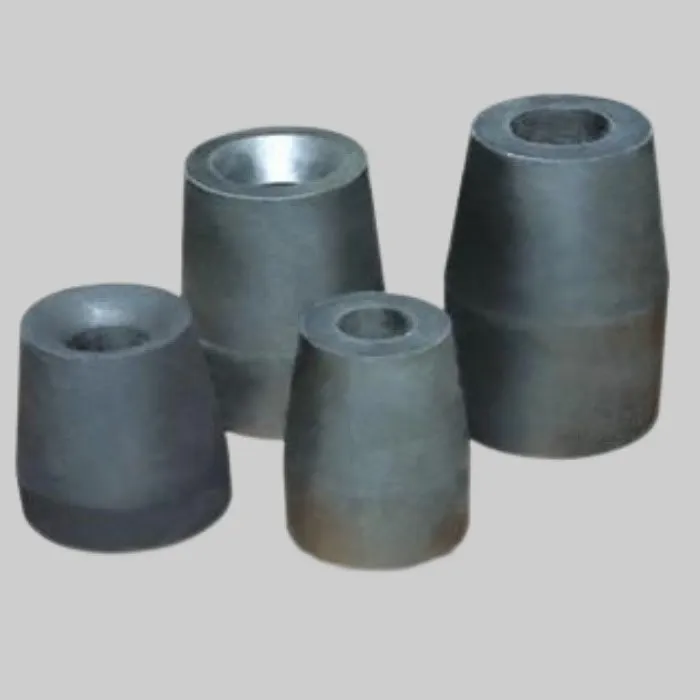
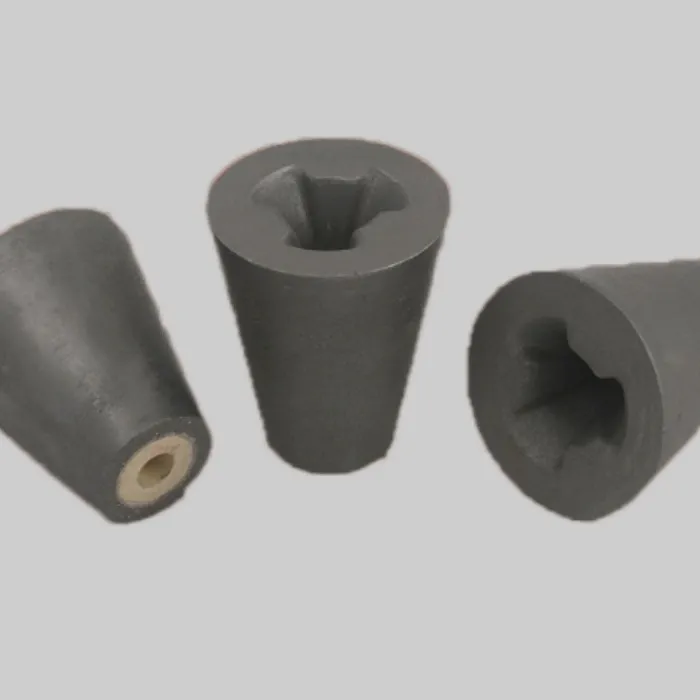
- Installation: The nozzle should be installed correctly to ensure a proper seal and alignment. Any misalignment or improper sealing can lead to leakage of molten metal, which is not only dangerous but also reduces the efficiency of the process. During installation, it is important to follow the manufacturer's instructions carefully. For example, using the right type of mortar or gasket can help to create a tight seal between the nozzle and the ladle.
- Pre - heating: Pre - heating the refractory nozzle before use is a critical step. This helps to reduce thermal shock and extend the service life of the nozzle. The pre - heating process should be carried out gradually to avoid cracking or other damage to the nozzle.
- Regular Inspection: Regular inspection of the nozzle during operation is necessary to detect any signs of wear, corrosion, or damage. Early detection of problems allows for timely replacement or repair, preventing more serious issues such as blockages or leaks. Visual inspection can be complemented by non - destructive testing methods such as ultrasonic testing to detect internal defects.
- Cleaning: After each use, the nozzle should be cleaned to remove any residual molten metal or slag. This helps to prevent the build - up of materials that can affect the flow characteristics of the nozzle and reduce its service life.
Controlling the Operating Conditions
The operating conditions of the ladle can have a significant impact on the performance of the refractory nozzle.
- Pouring Speed: Controlling the pouring speed is crucial. A too - high pouring speed can cause excessive wear on the nozzle due to the high - velocity flow of molten metal, while a too - low pouring speed may lead to solidification of the metal in the nozzle. The optimal pouring speed should be determined based on the type of metal, the size of the ladle, and the design of the nozzle.
- Temperature Control: Maintaining a stable temperature in the ladle is important for the performance of the refractory nozzle. Fluctuations in temperature can cause thermal stress in the nozzle, leading to cracking and reduced service life. Insulation materials can be used to minimize heat loss from the ladle and maintain a more stable temperature.
Collaboration with Suppliers
As a refractory nozzle supplier, we can provide valuable support to our customers in optimizing the use of our products. We have in - depth knowledge of the properties and applications of different types of refractory nozzles. Our technical team can work closely with customers to understand their specific requirements and provide customized solutions.
We can also offer training on the proper installation, maintenance, and operation of the nozzles. By collaborating with us, customers can benefit from our experience and expertise, ensuring the best possible performance of the refractory nozzles in their ladles.
Conclusion
Optimizing the use of a refractory nozzle in a ladle requires a comprehensive approach that includes selecting the right nozzle, proper installation and maintenance, controlling the operating conditions, and collaborating with a reliable supplier. By following these guidelines, manufacturers can improve the efficiency of their ladle operations, reduce costs associated with nozzle replacement, and enhance the quality of their final products.
If you are interested in learning more about our refractory nozzles or need help in optimizing their use in your ladle system, please feel free to contact us. We are committed to providing high - quality products and excellent service to meet your needs.
References
- "Handbook of Refractory Technology" by John Smith
- "Steelmaking Processes and Refractory Applications" by Mary Johnson
- Industry reports on refractory materials and their applications in ladles