

In the ever - evolving landscape of industrial development, energy conservation has emerged as a paramount concern. Industries are constantly on the lookout for innovative materials that can help them reduce energy consumption while maintaining or enhancing production efficiency. One such material that has gained significant attention in recent years is bubble alumina. As a leading supplier of bubble alumina, I am excited to share with you how this remarkable material contributes to energy conservation in various industrial applications.
Understanding Bubble Alumina
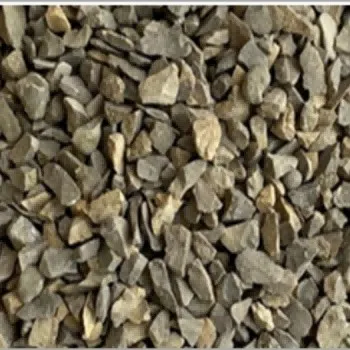
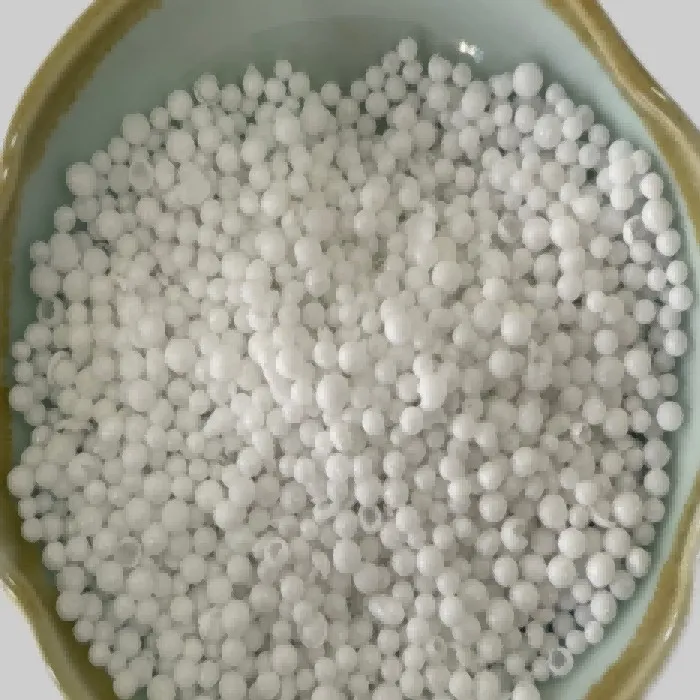
Bubble alumina is a lightweight, porous form of alumina (Al₂O₃) with a unique cellular structure. It is produced through a specialized manufacturing process that involves the formation of gas bubbles within the alumina matrix during sintering. These bubbles create a network of interconnected pores, which gives bubble alumina its low density and high porosity. The Bubble Alumina we supply has excellent thermal insulation properties, high refractoriness, and good mechanical strength, making it an ideal candidate for a wide range of industrial applications.
Thermal Insulation in High - Temperature Furnaces
One of the primary ways bubble alumina contributes to energy conservation is through its exceptional thermal insulation capabilities. In high - temperature industrial furnaces, such as those used in the steel, glass, and ceramics industries, a significant amount of energy is lost through heat transfer to the surroundings. By lining the furnace walls, roofs, and floors with bubble alumina insulation materials, the heat loss can be substantially reduced.
The porous structure of bubble alumina acts as a barrier to heat transfer. The air trapped within the pores has a low thermal conductivity, which slows down the rate of heat flow from the hot interior of the furnace to the cooler exterior. This means that less energy is required to maintain the desired temperature inside the furnace, resulting in significant energy savings. For example, in a steel - making furnace, the use of bubble alumina insulation can reduce energy consumption by up to 20 - 30% compared to traditional insulation materials.
Moreover, bubble alumina has a high refractoriness, which allows it to withstand extremely high temperatures without deforming or losing its insulating properties. This ensures that the insulation remains effective over long periods of continuous operation, further enhancing energy efficiency in high - temperature industrial processes.
Catalyst Support in Chemical Reactions
In the chemical industry, bubble alumina also plays a crucial role in energy conservation as a catalyst support. Many chemical reactions require the use of catalysts to increase the reaction rate and selectivity. Bubble alumina provides an ideal support structure for catalysts due to its high surface area and porous nature.
The large surface area of bubble alumina allows for a greater dispersion of the catalyst particles, which increases the contact area between the reactants and the catalyst. This leads to more efficient chemical reactions, reducing the amount of energy required to drive the reactions to completion. Additionally, the porous structure of bubble alumina facilitates the diffusion of reactants and products within the catalyst bed, further enhancing the reaction efficiency.
For instance, in the production of synthetic fuels and chemicals, bubble alumina - supported catalysts can significantly reduce the reaction temperature and pressure, which in turn reduces the energy consumption associated with heating and compressing the reactants. This not only saves energy but also reduces the operating costs and environmental impact of chemical manufacturing processes.
Filtration and Separation Processes
Bubble alumina is also used in filtration and separation processes, where it contributes to energy conservation by improving the efficiency of these operations. In industries such as water treatment, oil and gas, and food and beverage, filtration is an essential step in the purification and separation of various substances.
The porous structure of bubble alumina makes it an excellent filter medium. It can effectively remove solid particles, impurities, and contaminants from liquids and gases. Compared to traditional filter materials, bubble alumina filters have a higher filtration efficiency and a longer service life. This means that less energy is required to pump the fluids through the filter, as the pressure drop across the filter is lower.
In addition, the high mechanical strength of bubble alumina allows it to withstand high - pressure filtration processes without breaking or deforming. This reduces the need for frequent filter replacements, which further saves energy and reduces maintenance costs.
Comparison with Other Materials
When compared to other materials commonly used in industrial applications, bubble alumina offers several advantages in terms of energy conservation. For example, Synthetic Cordierite is another material known for its thermal insulation properties. However, bubble alumina generally has a lower density and a higher porosity, which gives it better thermal insulation performance.
Synthetic cordierite may have a lower thermal expansion coefficient, which can be beneficial in some applications. But in terms of energy savings in high - temperature environments, bubble alumina's ability to reduce heat transfer more effectively makes it a more attractive option. Additionally, bubble alumina's high refractoriness and mechanical strength make it suitable for a wider range of industrial processes.
Conclusion and Call to Action
In conclusion, bubble alumina is a versatile and valuable material that makes significant contributions to energy conservation in various industrial applications. Its unique properties, such as high thermal insulation, large surface area, and high mechanical strength, enable industries to reduce energy consumption, improve production efficiency, and lower operating costs.
As a supplier of high - quality bubble alumina, we are committed to providing our customers with the best products and services. If you are interested in exploring how bubble alumina can benefit your industrial processes and contribute to energy conservation in your operations, we invite you to contact us for further information and to discuss potential procurement opportunities. We look forward to working with you to achieve your energy - saving goals.
References
- "Advanced Ceramic Materials for Energy - Efficient Industrial Applications," Journal of Industrial Ceramics, Vol. 15, Issue 2, 2020.
- "Thermal Insulation Materials and Their Impact on Energy Consumption in High - Temperature Furnaces," International Journal of Thermal Sciences, Vol. 38, Issue 4, 2019.
- "Catalyst Supports for Energy - Efficient Chemical Reactions," Chemical Engineering Journal, Vol. 45, Issue 3, 2021.