

As a seasoned supplier of gunning mix, I've witnessed firsthand the profound impact that chemical composition has on the properties of this crucial refractory material. Gunning mix is widely used in various industrial applications, including steelmaking, foundries, and non-ferrous metal smelting, to repair and maintain refractory linings. In this blog post, I'll delve into the intricate relationship between the chemical composition of gunning mix and its properties, shedding light on why understanding this connection is essential for optimizing performance and ensuring long-lasting refractory solutions.
Understanding Gunning Mix
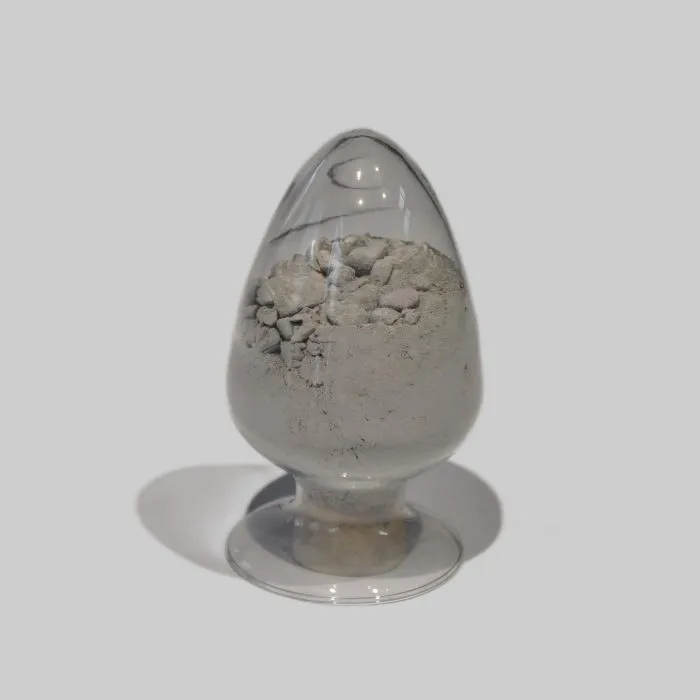
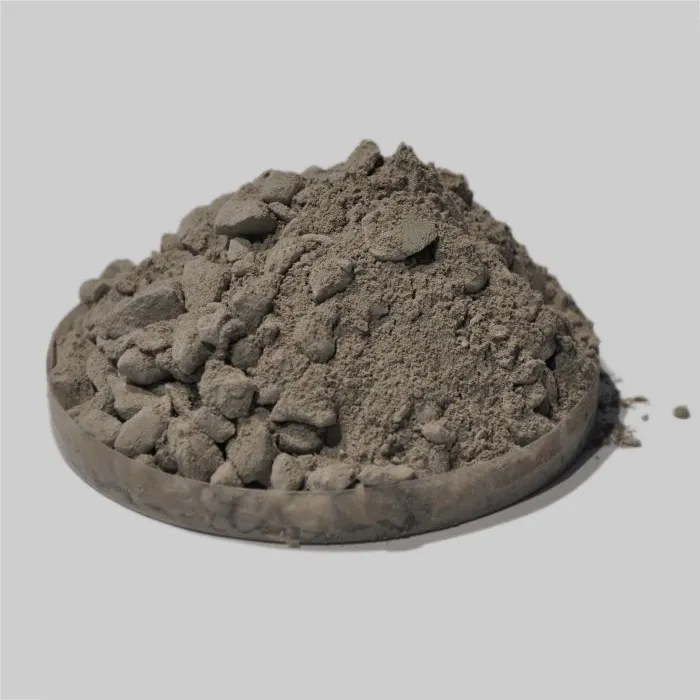
Before we explore the influence of chemical composition, let's briefly understand what gunning mix is. Gunning mix is a refractory material that is pneumatically applied to the surface of refractory linings using a gunning machine. It is typically composed of a blend of refractory aggregates, binders, and additives, which are carefully selected to meet the specific requirements of different applications. The gunning process involves mixing the dry gunning mix with water at the nozzle of the gunning machine, creating a wet mixture that can be sprayed onto the target surface. Once applied, the gunning mix hardens and forms a protective layer that helps to repair damaged refractory linings, extend their service life, and improve the overall efficiency of industrial furnaces and kilns.
Key Chemical Components of Gunning Mix
The chemical composition of gunning mix plays a pivotal role in determining its physical and chemical properties. The main components of gunning mix include:
- Refractory Aggregates: These are the primary constituents of gunning mix and provide the material with its basic refractory properties. Common refractory aggregates used in gunning mix include alumina, silica, magnesia, and chromite. The choice of refractory aggregates depends on the specific application requirements, such as temperature resistance, chemical stability, and abrasion resistance.
- Binders: Binders are used to hold the refractory aggregates together and provide the gunning mix with sufficient strength and cohesion. There are two main types of binders used in gunning mix: hydraulic binders and chemical binders. Hydraulic binders, such as cement, harden through a chemical reaction with water, while chemical binders, such as phosphates and silicates, harden through a chemical reaction with the refractory aggregates.
- Additives: Additives are used to enhance the performance of gunning mix and improve its workability, setting time, and other properties. Common additives used in gunning mix include accelerators, retarders, dispersants, and anti-oxidants. The choice of additives depends on the specific application requirements and the desired properties of the gunning mix.
Influence of Chemical Composition on Properties
The chemical composition of gunning mix has a significant impact on its properties, including:
- Refractoriness: Refractoriness is the ability of a material to withstand high temperatures without melting or deforming. The refractoriness of gunning mix depends on the type and amount of refractory aggregates used in its composition. For example, gunning mix containing high-alumina aggregates has a higher refractoriness than gunning mix containing silica aggregates.
- Chemical Resistance: Chemical resistance is the ability of a material to resist chemical attack from molten metals, slags, and other corrosive substances. The chemical resistance of gunning mix depends on the type and amount of refractory aggregates and binders used in its composition. For example, gunning mix containing magnesia aggregates has a higher chemical resistance to basic slags than gunning mix containing alumina aggregates.
- Abrasion Resistance: Abrasion resistance is the ability of a material to resist wear and tear caused by the movement of molten metals, slags, and other abrasive substances. The abrasion resistance of gunning mix depends on the type and amount of refractory aggregates and binders used in its composition. For example, gunning mix containing chromite aggregates has a higher abrasion resistance than gunning mix containing silica aggregates.
- Thermal Conductivity: Thermal conductivity is the ability of a material to conduct heat. The thermal conductivity of gunning mix depends on the type and amount of refractory aggregates and binders used in its composition. For example, gunning mix containing low-thermal-conductivity aggregates, such as alumina, has a lower thermal conductivity than gunning mix containing high-thermal-conductivity aggregates, such as silica.
- Workability: Workability is the ability of a material to be easily mixed, transported, and applied. The workability of gunning mix depends on the type and amount of binders and additives used in its composition. For example, gunning mix containing a high amount of dispersants has a better workability than gunning mix containing a low amount of dispersants.
Application-Specific Considerations
The chemical composition of gunning mix should be carefully selected based on the specific application requirements. For example, in steelmaking applications, gunning mix is used to repair and maintain the refractory linings of ladles, electric arc furnaces (EAFs), and converters. In these applications, gunning mix needs to have high refractoriness, chemical resistance, and abrasion resistance to withstand the harsh conditions of the steelmaking process. Ladle Gunning Mix is specifically designed for use in ladles, while Hot Patching EAF Gunning Mix is designed for use in electric arc furnaces.
In non-ferrous metal smelting applications, gunning mix is used to repair and maintain the refractory linings of furnaces, crucibles, and other equipment. In these applications, gunning mix needs to have high chemical resistance to withstand the corrosive effects of molten metals and slags. The chemical composition of gunning mix for non-ferrous metal smelting applications is typically different from that of gunning mix for steelmaking applications.
Conclusion
In conclusion, the chemical composition of gunning mix has a profound impact on its properties and performance. By carefully selecting the refractory aggregates, binders, and additives, it is possible to tailor the chemical composition of gunning mix to meet the specific requirements of different applications. As a gunning mix supplier, I understand the importance of providing high-quality products that are designed to meet the unique needs of our customers. If you're looking for a reliable gunning mix supplier, I encourage you to contact us to discuss your specific requirements and explore our range of products. We're committed to providing you with the best possible solutions for your refractory needs.
References
- "Refractories Handbook" by Peter E. King
- "Handbook of Refractory Technology" by J. A. Pask and A. E. Norton
- "Refractory Materials" by G. Y. Onoda and L. L. Hench