

As a seasoned supplier of castable fire bricks, I've witnessed firsthand the pivotal role that the curing process plays in determining the performance of these essential refractory materials. In this blog, I'll delve into the intricacies of how the curing process affects the performance of castable fire bricks, drawing on my years of experience in the industry.
Understanding Castable Fire Bricks
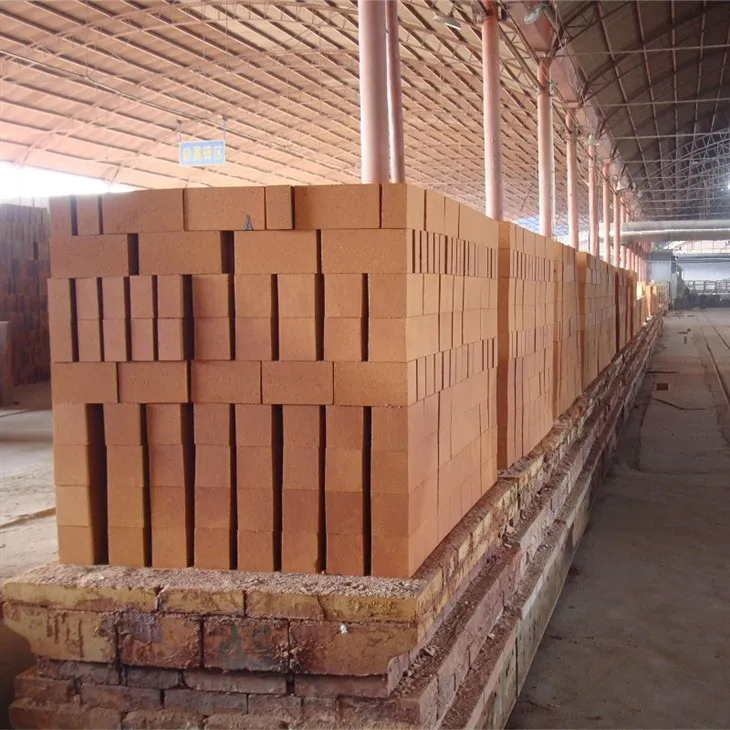
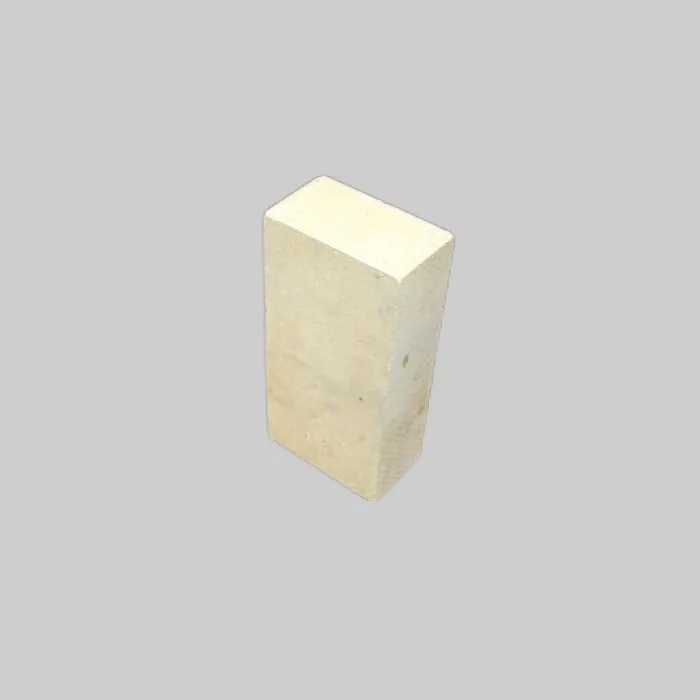
Castable fire bricks are a type of refractory material used in high - temperature applications such as furnaces, kilns, and incinerators. They are made by mixing refractory aggregates, binders, and additives to form a castable mixture that can be poured or gunned into place. Once installed, these materials need to undergo a proper curing process to achieve their optimal performance.
The Curing Process: A Critical Step
Curing is not just a simple waiting period; it is a complex chemical and physical process that transforms the freshly installed castable fire brick into a robust and durable material. There are two main types of curing: heat - curing and ambient - curing, each with its own set of characteristics and effects on the final product.
Heat - Curing
Heat - curing involves subjecting the castable fire brick to elevated temperatures in a controlled environment. This process accelerates the chemical reactions within the material, leading to faster hardening and improved strength development. When heat - cured, the binders in the castable react more rapidly, forming a strong matrix that holds the refractory aggregates together.
One of the key advantages of heat - curing is the enhanced density of the castable fire brick. As the temperature rises, the water within the material evaporates more quickly, reducing the porosity of the brick. A lower porosity means better resistance to thermal shock, as there are fewer voids for thermal stresses to concentrate. This makes heat - cured castable fire bricks ideal for applications where sudden temperature changes are common, such as in Rotary Kiln Brick Lining.
Moreover, heat - curing can improve the chemical stability of the castable fire brick. At higher temperatures, the binders form more stable chemical bonds, which can resist the corrosive effects of molten metals, slag, and gases in high - temperature environments. This is crucial for applications in metallurgical furnaces and other industrial settings where the brick is exposed to harsh chemical conditions.
However, heat - curing also has its challenges. It requires specialized equipment and careful temperature control to prevent cracking and other defects. If the temperature is increased too rapidly, the surface of the castable may dry out and crack before the interior has fully cured, leading to a weakened structure.
Ambient - Curing
Ambient - curing, on the other hand, allows the castable fire brick to cure at room temperature. This is a slower process compared to heat - curing, but it has its own benefits. During ambient - curing, the water in the castable evaporates gradually, which reduces the risk of cracking due to rapid drying.
Ambient - cured castable fire bricks tend to have a more uniform structure. Since the curing process is slower, the chemical reactions occur more evenly throughout the material, resulting in a more consistent distribution of strength. This can be advantageous in applications where a high degree of uniformity is required, such as in Clay Bricks for Fireplace.
Another advantage of ambient - curing is its lower cost and simplicity. It does not require expensive heating equipment, and it can be carried out on - site without the need for a dedicated curing chamber. However, ambient - cured bricks may take longer to reach their full strength, and their performance in terms of density and chemical resistance may be slightly inferior to heat - cured bricks.
Impact on Performance Metrics
The curing process has a direct impact on several key performance metrics of castable fire bricks.
Compressive Strength
Compressive strength is a measure of the ability of the brick to withstand pressure without breaking. Heat - cured castable fire bricks typically have higher compressive strengths compared to ambient - cured ones. The rapid hardening during heat - curing results in a more tightly packed structure, which can better resist compressive forces. This is important in applications where the brick is subject to heavy loads, such as in the linings of large industrial furnaces.
Thermal Conductivity
Thermal conductivity refers to the ability of the material to conduct heat. A lower thermal conductivity is desirable in refractory applications, as it helps to reduce heat loss and improve energy efficiency. The curing process can affect thermal conductivity by altering the porosity and structure of the castable fire brick. Heat - cured bricks, with their lower porosity, generally have lower thermal conductivities than ambient - cured bricks. This makes them more effective in insulating high - temperature environments, such as in Ceramic Refractory Bricks.
Resistance to Abrasion
Abrasion resistance is crucial in applications where the castable fire brick is exposed to mechanical wear, such as in the lining of coal - fired boilers or the chutes of mining equipment. The hardness and density of the brick, which are influenced by the curing process, play a significant role in determining its abrasion resistance. Heat - cured bricks, with their higher density and stronger matrix, are generally more resistant to abrasion than ambient - cured bricks.
Quality Control and Best Practices
To ensure the optimal performance of castable fire bricks, strict quality control measures during the curing process are essential. This includes monitoring the temperature, humidity, and curing time. For heat - curing, it is important to follow a well - defined temperature - time curve to avoid over - or under - curing.
Proper moisture management is also crucial. If the castable dries out too quickly, it can lead to cracking, while excessive moisture can delay the curing process and reduce the strength of the brick. In some cases, the use of curing agents or membranes can help to control the moisture evaporation and improve the curing process.
Conclusion
In conclusion, the curing process is a critical factor in determining the performance of castable fire bricks. Whether it is heat - curing or ambient - curing, each method has its own advantages and disadvantages, and the choice depends on the specific application requirements. Heat - cured bricks offer superior strength, density, and chemical resistance, making them suitable for harsh industrial environments. Ambient - cured bricks, on the other hand, are more cost - effective and can provide a uniform structure for less demanding applications.
As a supplier, I understand the importance of providing high - quality castable fire bricks that meet the diverse needs of our customers. By carefully controlling the curing process and adhering to strict quality standards, we can ensure that our products deliver exceptional performance in various high - temperature applications.
If you are in the market for castable fire bricks or have any questions about the curing process and its impact on performance, I encourage you to reach out to us for a detailed discussion. We are here to help you select the right product for your specific requirements and ensure a successful project.
References
- ASTM International. Standard Test Methods for Physical Testing of Refractory Materials.
- Norton, F. H. Refractories. McGraw - Hill Book Company, 1968.
- Smeltzer, W. W., & Jones, R. A. Physical Metallurgy and Advanced Materials. Elsevier, 2012.