

As a ramming mass supplier, I've witnessed firsthand the pivotal role that firing temperature plays in the performance and characteristics of ramming mass. Ramming mass is a crucial refractory material used in various industrial applications, particularly in furnaces and kilns. Understanding the effect of firing temperature on ramming mass is essential for ensuring optimal performance, durability, and efficiency in these high - temperature environments.
Physical and Chemical Changes at Different Firing Temperatures
Low - Temperature Firing (Below 1000°C)
At relatively low firing temperatures, the initial physical and chemical changes in ramming mass are mainly related to the removal of moisture and the decomposition of some volatile components. Ramming mass, especially those containing binders and organic additives, may experience the evaporation of free water and the breakdown of organic substances. This process is crucial as it helps to prevent steam explosions and cracking during subsequent heating.
For instance, in a silica - based ramming mass, the free water present in the material will start to evaporate at around 100 - 150°C. As the temperature rises further, some of the combined water in the clay minerals within the ramming mass may be removed. At temperatures up to about 600 - 800°C, organic binders may start to decompose, leaving behind carbon residues. These residues can have both positive and negative effects. On one hand, they can act as a temporary pore - former, which may improve the permeability of the ramming mass during the early stages of heating. On the other hand, if not completely burned off during subsequent higher - temperature firing, they can reduce the refractoriness and mechanical strength of the ramming mass.
The low - temperature firing also affects the initial setting and hardening of the ramming mass. Some ramming masses rely on chemical reactions at low temperatures to form an initial structure. For example, in phosphate - bonded ramming masses, the reaction between phosphoric acid and refractory aggregates starts at relatively low temperatures, gradually increasing the strength of the material.
Intermediate - Temperature Firing (1000 - 1500°C)
As the firing temperature reaches the intermediate range, significant physical and chemical changes occur in the ramming mass. In silica - based ramming masses, the transformation of quartz to its high - temperature polymorphs, such as tridymite and cristobalite, takes place. This transformation is accompanied by a significant volume change. If the ramming mass is not properly designed or fired, these volume changes can lead to cracking and spalling of the refractory lining.
For Acid Ramming Mass, which is often used in non - ferrous metal smelting furnaces, the intermediate - temperature firing is crucial for the formation of a dense and strong structure. The acid - resistant components in the ramming mass react with each other to form a stable matrix. For example, the reaction between silica and alumina in the ramming mass can form mullite crystals at around 1200 - 1400°C. These mullite crystals contribute to the high - temperature strength and thermal shock resistance of the ramming mass.
In addition, the intermediate - temperature firing can also affect the porosity of the ramming mass. As the temperature increases, the pores in the material may start to close due to the sintering of the refractory particles. This reduction in porosity can improve the density and mechanical strength of the ramming mass, as well as its resistance to molten metal penetration and corrosion.
High - Temperature Firing (Above 1500°C)
At high firing temperatures, the ramming mass undergoes further sintering and phase changes. The refractory particles in the ramming mass start to fuse together, forming a highly dense and strong structure. For Pre Mix Silica Ramming Mass, which is commonly used in induction furnaces for melting ferrous metals, the high - temperature firing is essential for achieving the required refractoriness and thermal conductivity.
At these temperatures, the formation of liquid phases may occur in some ramming masses. The liquid phase can act as a binder, promoting the sintering of the refractory particles and filling the pores in the material. However, if the amount of liquid phase is not carefully controlled, it can also lead to the deformation and softening of the ramming mass at high temperatures.
In high - alumina ramming masses, the formation of corundum (α - Al₂O₃) crystals at high temperatures contributes to the excellent high - temperature strength and chemical stability of the material. These crystals can withstand the harsh environment in steel - making furnaces, including the high temperatures, molten metal corrosion, and thermal shock.
Impact on Mechanical Properties
Strength
The firing temperature has a profound impact on the mechanical strength of ramming mass. At low firing temperatures, the strength of the ramming mass is relatively low due to the presence of pores, unreacted components, and the incomplete formation of the structure. As the temperature increases to the intermediate range, the strength of the ramming mass starts to increase significantly due to the sintering of the refractory particles and the formation of new phases.
In the high - temperature range, the strength of the ramming mass reaches its maximum value. The dense structure formed by the fusion of refractory particles and the presence of strong crystalline phases provides excellent mechanical strength. However, if the ramming mass is over - fired or exposed to extremely high temperatures for a long time, the strength may start to decrease due to the excessive formation of liquid phases and the deformation of the structure.
Thermal Shock Resistance
Thermal shock resistance is another important mechanical property affected by firing temperature. Ramming mass with good thermal shock resistance can withstand rapid temperature changes without cracking or spalling. At low firing temperatures, the ramming mass may have poor thermal shock resistance due to the presence of large pores and weak bonding between the particles.
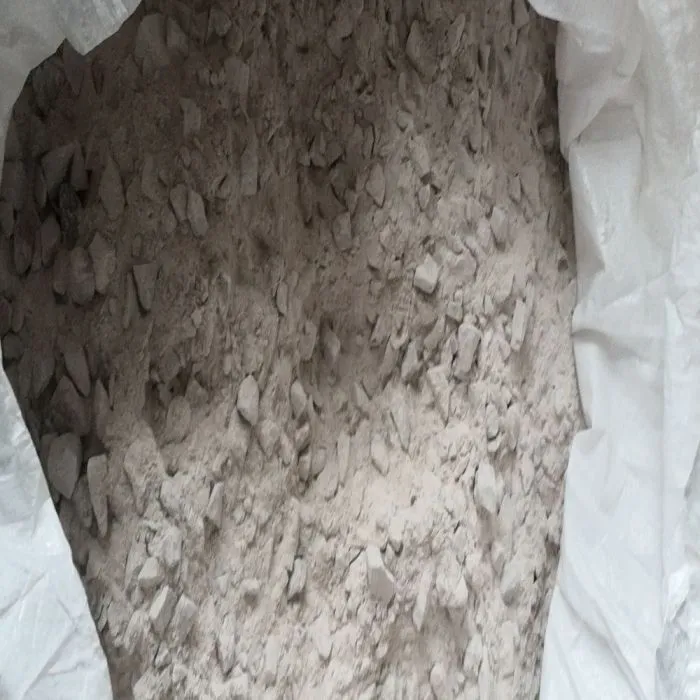
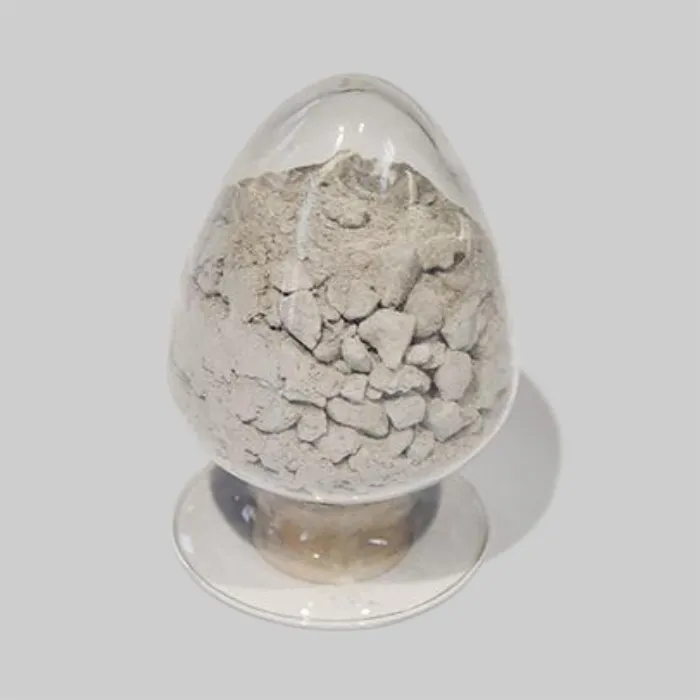
As the firing temperature increases, the density and strength of the ramming mass increase, which generally improves its thermal shock resistance. However, the phase changes and volume changes that occur during firing can also have a negative impact on thermal shock resistance. For example, the transformation of quartz to tridymite and cristobalite in silica - based ramming masses can cause significant volume changes, which may lead to cracking if the material is not properly fired or designed.
Impact on Chemical Resistance
Resistance to Molten Metal Corrosion
The firing temperature can affect the chemical resistance of ramming mass to molten metal corrosion. At low firing temperatures, the ramming mass may have a relatively porous structure, which allows molten metal to penetrate easily into the material. This can lead to chemical reactions between the molten metal and the refractory components in the ramming mass, resulting in corrosion and erosion of the lining.
As the firing temperature increases, the density of the ramming mass increases, and the porosity decreases. This reduces the penetration of molten metal into the material, improving its resistance to corrosion. In addition, the formation of stable phases at high temperatures can also enhance the chemical stability of the ramming mass in contact with molten metals. For example, the formation of mullite and corundum crystals in high - alumina ramming masses provides excellent resistance to the corrosion of molten steel.
Resistance to Slag Attack
Slag attack is another common problem in industrial furnaces. The firing temperature can influence the resistance of ramming mass to slag attack. At low firing temperatures, the ramming mass may be more vulnerable to slag penetration and chemical reactions with the slag components. The porous structure of the low - fired ramming mass allows the slag to penetrate easily, and the unreacted components in the material may react with the slag to form low - melting - point compounds.
At high firing temperatures, the ramming mass forms a dense and stable structure, which can effectively resist slag penetration. The stable phases in the ramming mass, such as corundum and mullite, are chemically inert to most slag components, providing excellent resistance to slag attack.
Conclusion and Call to Action
In conclusion, the firing temperature has a significant effect on the physical, chemical, mechanical, and chemical resistance properties of ramming mass. As a ramming mass supplier, we understand the importance of optimizing the firing temperature for different applications. Whether you are using White Ramming Mass in a non - ferrous metal smelting furnace or a high - alumina ramming mass in a steel - making furnace, the right firing temperature is crucial for achieving the best performance and durability of the refractory lining.
If you are in the market for high - quality ramming mass and need professional advice on the firing temperature and application, please feel free to contact us. We are committed to providing you with the best ramming mass products and technical support to meet your specific needs.
References
- Richardson, I. G. (Ed.). (2003). Introduction to the Principles of Refractories. Woodhead Publishing.
- Schneider, H., & Swainson, I. (2002). High - Temperature Properties of Refractories. Wiley - VCH.
- Reed, J. S. (1995). Principles of Ceramics Processing. Wiley.