

Hey there! As a supplier of refractory cement, I've seen firsthand how crucial it is to understand the various factors that can affect its performance. One of the most significant factors is the temperature change rate. In this blog, I'll dive into how the temperature change rate impacts refractory cement and why it matters for your projects.
What is Refractory Cement?
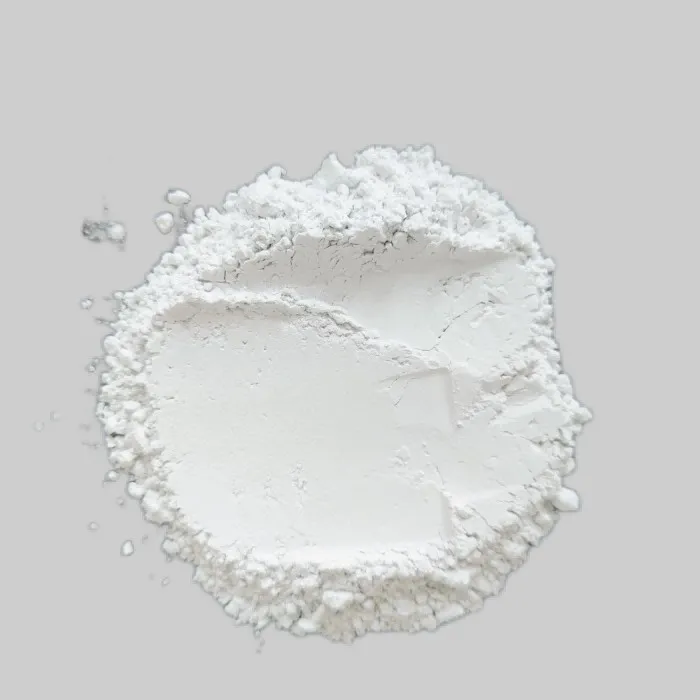
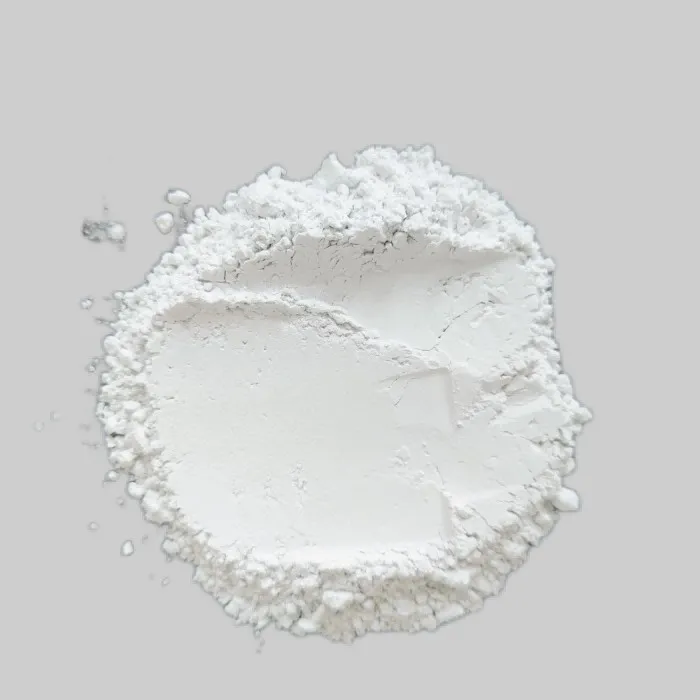
Before we get into the temperature change rate, let's quickly go over what refractory cement is. Refractory cement is a special type of cement designed to withstand high temperatures. It's used in a wide range of applications, from industrial furnaces and kilns to fireplaces and chimneys. There are different types of refractory cement, such as High Alumina Refractory Cement, High Heat Refractory Cement, and Castable Refractory Cement 50 Lbs. Each type has its own unique properties and is suitable for specific applications.
How Temperature Change Rate Affects Refractory Cement
Thermal Stress
The temperature change rate can cause thermal stress in refractory cement. When the temperature changes rapidly, different parts of the cement expand or contract at different rates. This uneven expansion and contraction create internal stresses within the cement. If these stresses are too high, they can lead to cracking or spalling of the cement. For example, in a furnace where the temperature can increase or decrease suddenly during the heating and cooling cycles, the refractory cement lining is exposed to significant thermal stress.
Chemical Reactions
The rate of temperature change can also affect the chemical reactions that occur within the refractory cement. Refractory cement undergoes various chemical reactions during the heating process, which contribute to its strength and heat resistance. A rapid temperature change can disrupt these reactions, preventing the cement from achieving its optimal properties. On the other hand, a slow and controlled temperature change allows the chemical reactions to proceed smoothly, resulting in a more stable and durable cement.
Porosity and Permeability
The temperature change rate can influence the porosity and permeability of refractory cement. A fast temperature change can cause the formation of large pores and cracks, increasing the cement's permeability. This allows gases and liquids to penetrate the cement more easily, which can lead to corrosion and degradation over time. In contrast, a slow temperature change promotes the formation of a more dense and less permeable structure, enhancing the cement's resistance to chemical attack and erosion.
Examples of Temperature Change Rate Impact
Let's take a look at some real - world examples to better understand the impact of the temperature change rate on refractory cement.
Industrial Furnaces
In an industrial furnace, the refractory cement lining is subjected to extreme temperature changes. If the furnace is heated up too quickly, the cement may crack due to thermal stress. These cracks can compromise the integrity of the lining, allowing heat to escape and reducing the furnace's efficiency. Over time, the cracks can also lead to more serious problems, such as the collapse of the lining. On the other hand, if the furnace is heated and cooled slowly, the refractory cement can better withstand the temperature changes, extending its service life.
Fireplaces
In a fireplace, the temperature change rate can also affect the performance of the refractory cement. When a fire is started, the temperature inside the fireplace rises rapidly. If the refractory cement is not able to handle this rapid temperature increase, it may crack or spall. This not only looks bad but can also pose a safety hazard. By using high - quality refractory cement and ensuring a proper temperature change rate, you can prevent these issues and enjoy a safe and efficient fireplace.
Controlling the Temperature Change Rate
To minimize the negative effects of the temperature change rate on refractory cement, it's important to control the heating and cooling processes. Here are some tips:
Gradual Heating and Cooling
When starting up a furnace or fireplace, heat it up gradually. This allows the refractory cement to expand slowly and evenly, reducing the risk of thermal stress. Similarly, when shutting down, cool the system down slowly. For example, in an industrial furnace, a heating rate of 50 - 100°F per hour is often recommended during the initial heating phase.
Use of Insulation
Insulation can help to regulate the temperature change rate. By insulating the refractory cement, you can slow down the rate at which heat is transferred, reducing the thermal stress on the cement. There are various types of insulation materials available, such as ceramic fiber blankets and refractory bricks.
Monitoring and Adjustment
Regularly monitor the temperature inside the system and adjust the heating or cooling rate as needed. This can be done using temperature sensors and control systems. By keeping a close eye on the temperature, you can ensure that the refractory cement is not exposed to excessive temperature changes.
Why It Matters for Your Projects
Understanding how the temperature change rate affects refractory cement is crucial for the success of your projects. Using refractory cement in high - temperature applications requires careful consideration of the temperature change rate. If you don't take this factor into account, you may end up with a failed project, which can be costly and time - consuming to fix. By choosing the right type of refractory cement and controlling the temperature change rate, you can ensure the long - term performance and durability of your installations.
Let's Talk!
If you're in the market for refractory cement and have questions about how to handle temperature change rates in your specific application, I'd love to help. Whether you're working on an industrial furnace, a fireplace, or any other high - temperature project, I can provide you with the right advice and high - quality products. Don't hesitate to reach out for more information and let's start a conversation about your refractory cement needs.
References
- ASTM International. "Standard Test Methods for Thermal Conductivity of Refractories." ASTM C201.
- Perry, R. H., & Green, D. W. (Eds.). "Perry's Chemical Engineers' Handbook." McGraw - Hill.
- Schneider, H., & Schwotzer, W. (2008). "Refractory Materials." Wiley - VCH.