

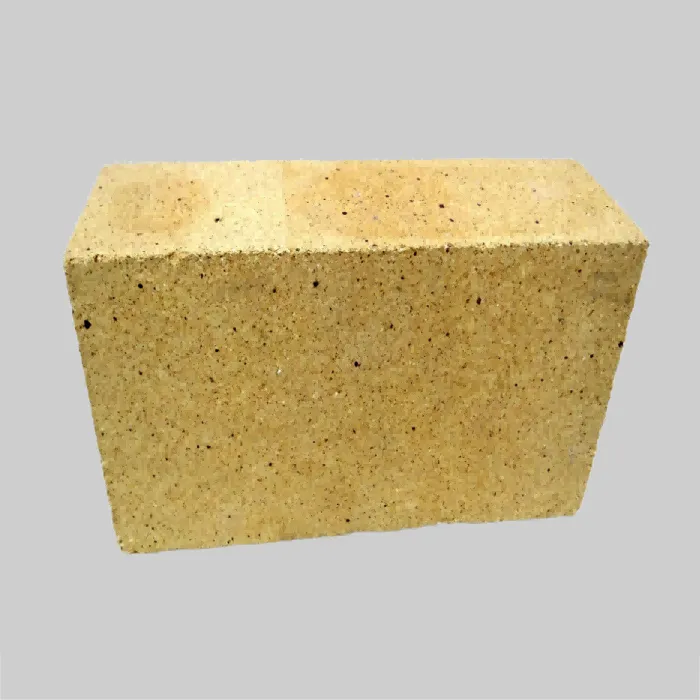
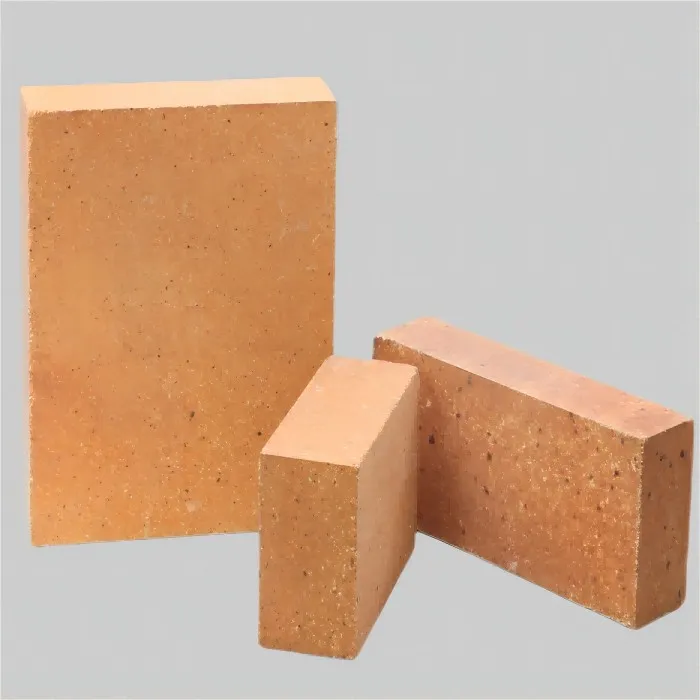
In the realm of high - performance refractory materials, SK34 firebrick stands out as a reliable choice for various industrial applications. As a dedicated SK34 firebrick supplier, I'm excited to take you through the intricate process of how these remarkable firebricks are manufactured.
Raw Material Selection
The journey of SK34 firebrick begins with the careful selection of raw materials. The primary components of SK34 firebricks are alumina and silica. Alumina provides high - temperature strength, resistance to chemical corrosion, and excellent thermal shock resistance. Silica, on the other hand, helps in the formation of a stable crystal structure during the firing process and contributes to the overall refractory properties.
We source high - quality bauxite, which is a rich source of alumina. The bauxite is carefully inspected to ensure it meets the required chemical composition and physical properties. Additionally, we use silica sand that has a high purity level. The combination of these raw materials in the right proportions is crucial for achieving the desired characteristics of SK34 firebricks. For more information on similar alumina - silica based products, you can visit Alumina Silica Refractory Brick.
Crushing and Grinding
Once the raw materials are selected, they undergo a crushing and grinding process. The bauxite and silica sand are first crushed into smaller pieces using jaw crushers and cone crushers. This initial crushing reduces the size of the raw materials to a more manageable level.
After crushing, the materials are sent to ball mills for grinding. In the ball mills, steel balls are used to grind the crushed materials into a fine powder. The grinding process is carefully controlled to ensure that the particle size distribution of the powder meets the specifications for SK34 firebrick production. A proper particle size distribution is essential as it affects the packing density of the bricks during molding and the final properties of the fired bricks.
Mixing
The ground powders of alumina and silica are then mixed with a binder. The binder is typically a clay - based material or a chemical binder that helps to hold the particles together during the molding process. The mixing process is carried out in a powerful mixer, where the powders and the binder are thoroughly blended to form a homogeneous mixture.
During mixing, the moisture content of the mixture is also carefully adjusted. The right amount of moisture is necessary to make the mixture workable for molding. If the moisture content is too low, the mixture will be difficult to form into bricks, while if it is too high, the bricks may deform during drying and firing.
Molding
There are several methods for molding SK34 firebricks, but the most common ones are the semi - dry pressing method and the isostatic pressing method.
In the semi - dry pressing method, the mixed material is placed in a mold and then pressed under high pressure using a hydraulic press. The pressure applied helps to compact the material and give the brick its shape. The semi - dry pressing method is suitable for producing standard - sized bricks with a relatively simple shape.
The isostatic pressing method, on the other hand, is used for producing bricks with complex shapes or high - density requirements. In this method, the mixed material is placed in a flexible mold, which is then placed in a high - pressure chamber filled with a fluid. The pressure is applied uniformly from all directions, resulting in a more evenly compacted brick.
Drying
After molding, the green bricks need to be dried to remove the moisture. Drying is a critical step as it helps to prevent cracking and other defects during firing. The green bricks are placed in a drying chamber, where the temperature and humidity are carefully controlled.
The drying process usually takes several days, depending on the size and thickness of the bricks. During drying, the moisture gradually evaporates from the bricks, and the binder starts to harden, giving the bricks some initial strength.
For those interested in thinner firebricks, which may have different drying requirements, you can check out Thin Firebrick.
Firing
The firing process is the most crucial step in the manufacturing of SK34 firebricks. The dried bricks are placed in a high - temperature kiln, where they are fired at a temperature ranging from 1300°C to 1500°C.
The firing process can be divided into several stages. In the initial stage, the temperature is gradually increased to remove any remaining moisture and to decompose the organic components in the binder. As the temperature rises further, the alumina and silica particles start to react with each other, forming new crystal structures.
The final stage of firing is called the sintering stage. At this stage, the particles are fused together, resulting in a dense and strong brick. The high - temperature firing also improves the refractory properties of the brick, such as its thermal conductivity, strength at high temperatures, and resistance to chemical attack.
Quality Control
Throughout the manufacturing process, strict quality control measures are implemented. At the raw material stage, the chemical composition and physical properties of the raw materials are tested using advanced analytical techniques. During the mixing and molding processes, the moisture content, density, and dimensions of the bricks are regularly checked.
After firing, the finished SK34 firebricks are subjected to a series of tests. These tests include measuring the bulk density, porosity, compressive strength, and thermal shock resistance of the bricks. Only the bricks that meet the strict quality standards are approved for sale. You can find more details about our high - quality SK34 firebricks on our Sk34 Firebrick page.
Conclusion
As a supplier of SK34 firebricks, we are committed to ensuring the highest quality in every step of the manufacturing process. From the careful selection of raw materials to the final quality control checks, we strive to produce firebricks that can withstand the most demanding industrial environments.
If you are in need of high - performance SK34 firebricks for your industrial applications, we invite you to contact us for procurement and further discussions. Whether you are involved in the steel industry, cement manufacturing, or any other high - temperature process, our SK34 firebricks can provide the reliability and performance you need.
References
- "Refractory Materials: Principles and Practice" by John N. Hay
- "Handbook of Refractory Technology" by George Y. Onoda Jr. and Lawrence L. Hench