

As a seasoned tundish nozzle supplier, I've witnessed firsthand the various challenges that arise in high - speed continuous casting processes involving tundish nozzles. High - speed continuous casting is a crucial technology in the steelmaking industry, aiming to increase productivity and efficiency. However, tundish nozzles, which play a vital role in controlling the flow of molten steel from the tundish to the mold, face several difficulties under high - speed conditions.
1. Clogging Issues
One of the most prominent problems with tundish nozzles in high - speed continuous casting is clogging. Clogging can occur due to a variety of reasons. Firstly, the formation of aluminum oxide inclusions is a major culprit. When molten steel contains a certain amount of aluminum, aluminum oxide inclusions can form and accumulate inside the nozzle. During high - speed casting, the flow velocity of molten steel is high, but the shear force may not be sufficient to prevent the adhesion of these inclusions to the inner wall of the tundish nozzle. As more and more inclusions adhere, they gradually build up and reduce the cross - sectional area of the nozzle, restricting the flow of molten steel.
Secondly, the reaction between the refractory material of the nozzle and the molten steel can also lead to clogging. Some refractory materials may react with the elements in the molten steel, forming new compounds that adhere to the nozzle wall. For example, if the refractory contains silica, it may react with the aluminum in the molten steel to form aluminum - silicon compounds, which can cause blockages.
The consequences of nozzle clogging are significant. It can lead to uneven flow of molten steel into the mold, resulting in inconsistent solidification and quality defects in the cast product, such as surface cracks and internal porosity. Moreover, clogging may force the interruption of the casting process, reducing productivity and increasing production costs.
2. Erosion and Wear
High - speed continuous casting subjects tundish nozzles to severe erosion and wear. The high - velocity flow of molten steel exerts a strong mechanical force on the inner wall of the nozzle. The impact of the molten steel can gradually erode the refractory material, causing the nozzle diameter to increase over time. This change in diameter can affect the flow rate and distribution of the molten steel, leading to instability in the casting process.
In addition to mechanical erosion, chemical erosion also plays a role. The molten steel contains various elements and impurities, which may react chemically with the refractory material of the nozzle. For instance, sulfur and phosphorus in the molten steel can react with the refractory, weakening its structure and accelerating the wear process.
The erosion and wear of tundish nozzles not only reduce their service life but also pose a risk to the quality of the cast product. If the nozzle wears too much, it may cause excessive splashing of molten steel, which can contaminate the surrounding environment and increase the likelihood of surface defects in the castings.
3. Thermal Stress and Cracking
During high - speed continuous casting, tundish nozzles experience significant thermal stress. The nozzle is in direct contact with the high - temperature molten steel, and the temperature difference between the hot inner wall and the relatively cooler outer wall can generate large thermal gradients. These thermal gradients induce thermal stress within the nozzle material.
Under high - speed casting conditions, the rapid change in temperature and the continuous flow of molten steel can exacerbate the thermal stress. When the thermal stress exceeds the strength of the refractory material, cracks can form. These cracks can propagate over time, leading to further deterioration of the nozzle's performance. Cracked nozzles may cause uneven flow of molten steel, and in severe cases, they can even break, causing a sudden stop of the casting process.
4. Flow Control Challenges
Accurate flow control is essential in high - speed continuous casting to ensure consistent product quality. However, tundish nozzles face difficulties in achieving precise flow control at high casting speeds. The flow characteristics of molten steel are complex, and factors such as the shape of the nozzle, the viscosity of the molten steel, and the pressure in the tundish all affect the flow rate.
In high - speed casting, small changes in the flow rate can have a significant impact on the solidification process in the mold. For example, an increase in flow rate may lead to excessive superheat in the mold, resulting in a thinner solidified shell and a higher risk of breakouts. On the other hand, a decrease in flow rate may cause insufficient filling of the mold, leading to incomplete castings.
Existing flow control methods, such as slide gate systems or stopper rods, may not be able to respond quickly enough to the rapid changes in casting conditions at high speeds. This makes it challenging to maintain a stable and accurate flow of molten steel through the tundish nozzle.
Our Solutions and Product Offerings
As a tundish nozzle supplier, we are well - aware of these problems and have been continuously working on developing solutions. We offer a wide range of high - quality tundish nozzles, including Refractory Collector Nozzle, Tundish Nozzle, and Zirconium Sizing Nozzle.
Our refractory collector nozzles are designed to improve the flow pattern of molten steel and reduce the risk of clogging. They are made of high - quality refractory materials with excellent anti - corrosion and anti - erosion properties. The unique design of these nozzles helps to evenly distribute the molten steel, minimizing the formation of inclusions and reducing the chances of blockages.
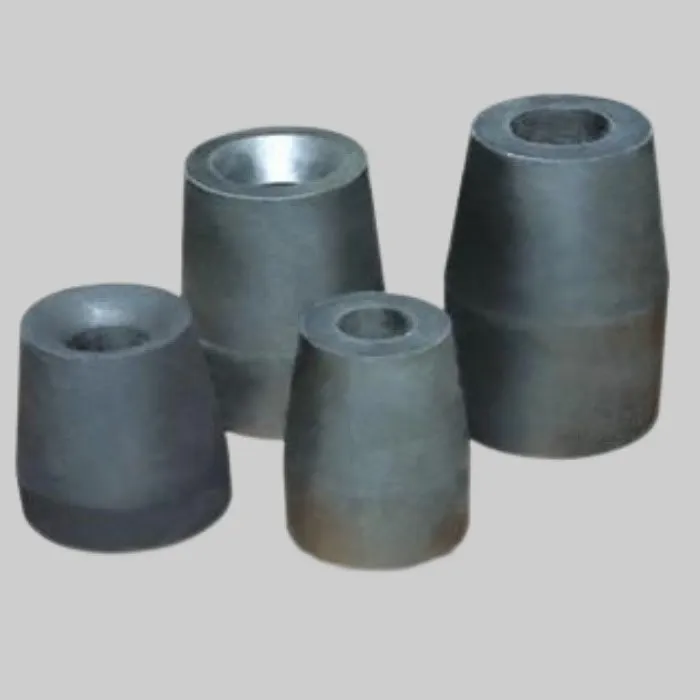
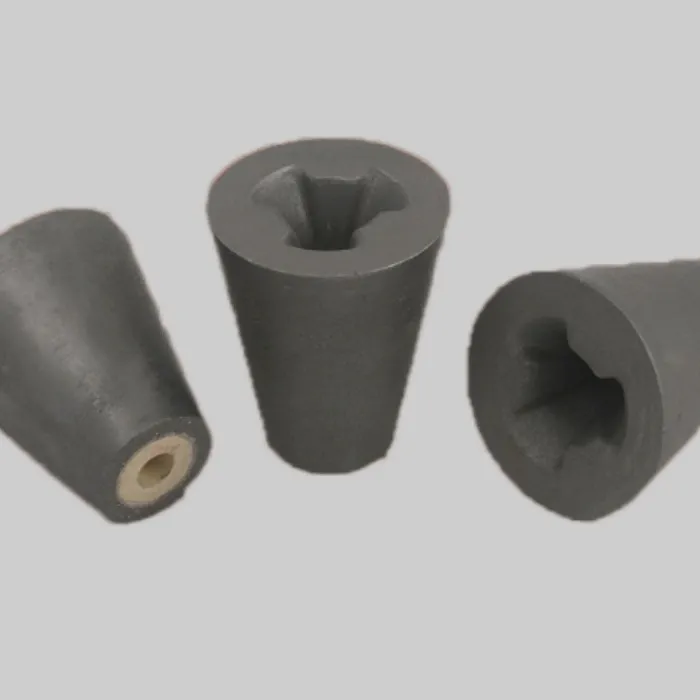
Our tundish nozzles are engineered to withstand high - speed continuous casting conditions. They are manufactured using advanced production techniques and high - performance refractory materials to resist erosion and wear. The precise machining of the nozzle inner wall ensures smooth flow of molten steel and accurate flow control.
The zirconium sizing nozzles are known for their high thermal stability and excellent mechanical properties. They can effectively withstand the thermal stress generated during high - speed casting, reducing the risk of cracking. The zirconium material also has good chemical resistance, preventing chemical erosion from the molten steel.
Conclusion
In high - speed continuous casting, tundish nozzles face a series of challenges, including clogging, erosion and wear, thermal stress and cracking, and flow control difficulties. These problems can have a significant impact on the productivity and quality of the casting process. However, with our advanced product offerings and continuous research and development efforts, we are committed to providing solutions that can help steelmakers overcome these challenges.
If you are interested in our tundish nozzles or would like to discuss your specific requirements for high - speed continuous casting, please feel free to contact us for a procurement negotiation. We look forward to working with you to improve your casting process and enhance the quality of your products.
References
- Smith, J. (2018). "Advanced Refractory Materials for Continuous Casting Nozzles". Journal of Steelmaking Technology, 25(3), 123 - 135.
- Johnson, A. (2019). "Flow Control in High - Speed Continuous Casting". International Journal of Metallurgical Engineering, 18(2), 89 - 98.
- Brown, C. (2020). "Thermal Stress Analysis of Tundish Nozzles in Continuous Casting". Proceedings of the 10th International Conference on Steelmaking, 456 - 462.