

Adjusting the chemical composition of a refractory nozzle is a crucial step in enhancing its performance. As a supplier of refractory nozzles, I have witnessed firsthand the impact that precise chemical composition adjustments can have on the efficiency, durability, and overall quality of these essential components in various industrial processes. In this blog post, I will share some insights on how to adjust the chemical composition of a refractory nozzle for better performance.
Understanding the Role of Chemical Composition in Refractory Nozzles
Refractory nozzles are used in high - temperature applications, such as steelmaking and foundry processes. The chemical composition of a refractory nozzle determines its physical and chemical properties, including its melting point, thermal conductivity, corrosion resistance, and mechanical strength.
For example, oxides like alumina (Al₂O₃), magnesia (MgO), and zirconia (ZrO₂) are commonly used in refractory nozzles. Alumina provides high refractoriness and mechanical strength, making it suitable for applications where the nozzle needs to withstand high temperatures and mechanical stress. Magnesia is known for its excellent resistance to basic slags, which is crucial in steelmaking processes. Zirconia has a high melting point and good thermal shock resistance, which helps the nozzle to maintain its integrity during rapid temperature changes.
Analyzing the Application Requirements
The first step in adjusting the chemical composition of a refractory nozzle is to understand the specific requirements of the application. Different industrial processes have different temperature profiles, slag chemistries, and flow rates, which all influence the choice of chemical composition.
In steelmaking, for instance, the type of steel being produced can significantly affect the nozzle's performance. If the steel has a high sulfur or phosphorus content, the nozzle needs to have good resistance to acidic slags. On the other hand, for the production of stainless steel, the nozzle should be able to withstand the high - temperature and highly corrosive environment.
We need to consider the temperature range of the process. Some applications require nozzles that can operate at extremely high temperatures, while others may need nozzles with better thermal shock resistance for processes with frequent temperature fluctuations.
Selecting the Right Raw Materials
Based on the application requirements, we can select the appropriate raw materials for the refractory nozzle. As a supplier, we have access to a wide range of high - quality raw materials, each with its unique chemical and physical properties.
For example, if we need to improve the corrosion resistance of the nozzle, we might choose to use high - purity alumina or magnesia. These materials form a protective layer on the surface of the nozzle, preventing the penetration of slags and molten metals.
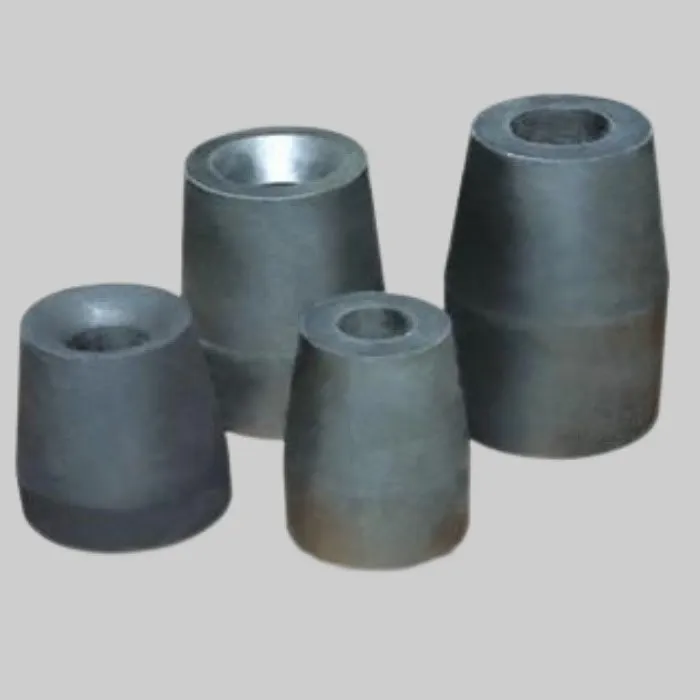
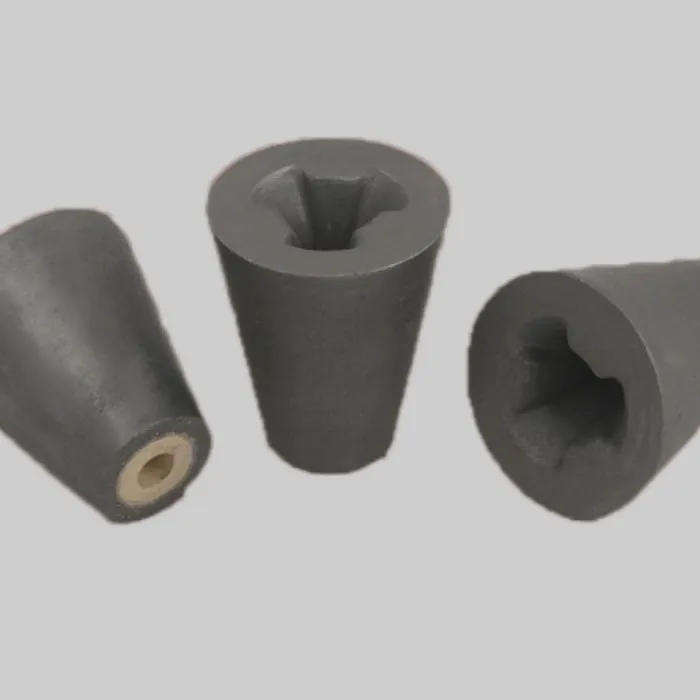
Zirconium - based materials are also popular choices for nozzles that require high thermal shock resistance. Zirconium Sizing Nozzle is a prime example of a product that utilizes zirconium's properties to enhance performance. The zirconium in the nozzle helps to absorb and dissipate thermal energy, reducing the risk of cracking and spalling.
Adjusting the Proportions of Chemical Components
Once the raw materials are selected, the next step is to adjust the proportions of the chemical components. This is a delicate process that requires careful experimentation and analysis.
We can start by creating a baseline composition based on industry standards and previous experience. Then, we can make small adjustments to the proportions of different oxides, binders, and additives. For example, increasing the proportion of alumina can improve the mechanical strength of the nozzle, but it may also reduce its thermal shock resistance. Therefore, we need to find the optimal balance between different properties.
We can also use advanced analytical techniques, such as X - ray diffraction (XRD) and scanning electron microscopy (SEM), to study the microstructure and phase composition of the refractory nozzle. These techniques can help us understand how the chemical composition affects the performance of the nozzle at a microscopic level.
Incorporating Additives
Additives can play a vital role in adjusting the chemical composition of a refractory nozzle. They can enhance specific properties, such as sinterability, oxidation resistance, and wettability.
For example, boron compounds can be added to improve the sinterability of the refractory material, which helps to densify the nozzle and increase its mechanical strength. Rare - earth oxides can be used to enhance the oxidation resistance of the nozzle, especially in high - temperature and oxygen - rich environments.
Carbon - based additives, such as graphite or carbon black, can improve the thermal conductivity and lubricity of the nozzle. This is beneficial for applications where the nozzle needs to facilitate the smooth flow of molten metals.
Testing and Validation
After adjusting the chemical composition, it is essential to test and validate the performance of the refractory nozzle. We can conduct laboratory tests, such as thermal shock tests, corrosion tests, and wear tests, to evaluate the nozzle's properties under simulated operating conditions.
We can also perform field tests in real - world industrial settings. This allows us to observe the nozzle's performance in actual production processes and gather feedback from customers. Based on the test results, we can make further adjustments to the chemical composition if necessary.
Different Types of Refractory Nozzles and Their Composition Adjustments
There are several types of refractory nozzles, each with its specific application and composition requirements.
- Refractory Collector Nozzle: Refractory Collector Nozzle is used to collect and distribute molten metals. These nozzles need to have good thermal stability and resistance to erosion. The chemical composition may be adjusted to include high - alumina materials and additives that improve the nozzle's resistance to the flow of molten metals.
- Tundish Nozzle: Tundish Nozzle is an important component in the continuous casting process. It needs to maintain a stable flow rate of molten steel and resist clogging. Adjusting the chemical composition can involve using materials that prevent the adhesion of inclusions and improve the wettability of the nozzle surface.
Conclusion
Adjusting the chemical composition of a refractory nozzle is a complex but rewarding process. By understanding the application requirements, selecting the right raw materials, adjusting the proportions of chemical components, incorporating additives, and conducting thorough testing, we can optimize the performance of the refractory nozzle.
As a supplier of refractory nozzles, we are committed to providing high - quality products that meet the diverse needs of our customers. If you are interested in learning more about our refractory nozzles or discussing your specific requirements, please feel free to contact us for procurement and further discussions.
References
- Reed, J. S. (1995). Principles of Ceramic Processing. Wiley.
- Richardson, M. J. (2003). Refractories. Woodhead Publishing.
- Schneider, H., & Hasenack, U. (2017). Refractory Materials. Springer.