

Applying refractory mortar correctly is crucial for ensuring the longevity and performance of refractory structures. As a reputable refractory mortar supplier, I am here to guide you through the process, sharing professional insights and practical tips.
Understanding Refractory Mortar
Before delving into the application process, it's essential to understand the different types of refractory mortar available. We offer a wide range of products, including Refractory Fire Clay Mortar, High Heat Brick Mortar, and Castable Refractory Mortar. Each type has its unique properties and is suitable for specific applications.
Refractory fire clay mortar is commonly used for lining fireplaces, wood stoves, and other low to medium - temperature applications. It is made from fire clay and other refractory materials, providing good adhesion and thermal insulation. High heat brick mortar, on the other hand, is designed to withstand extremely high temperatures, making it ideal for industrial furnaces, kilns, and other high - heat environments. Castable refractory mortar is a versatile option that can be poured or cast into various shapes, suitable for complex refractory structures.
Preparation
Surface Preparation
The first step in applying refractory mortar is to prepare the surface. The surface should be clean, dry, and free of any loose debris, dust, or grease. For new installations, the bricks or refractory blocks should be inspected for any defects or damage. If there are any rough edges or irregularities, they should be smoothed out using a file or grinder.
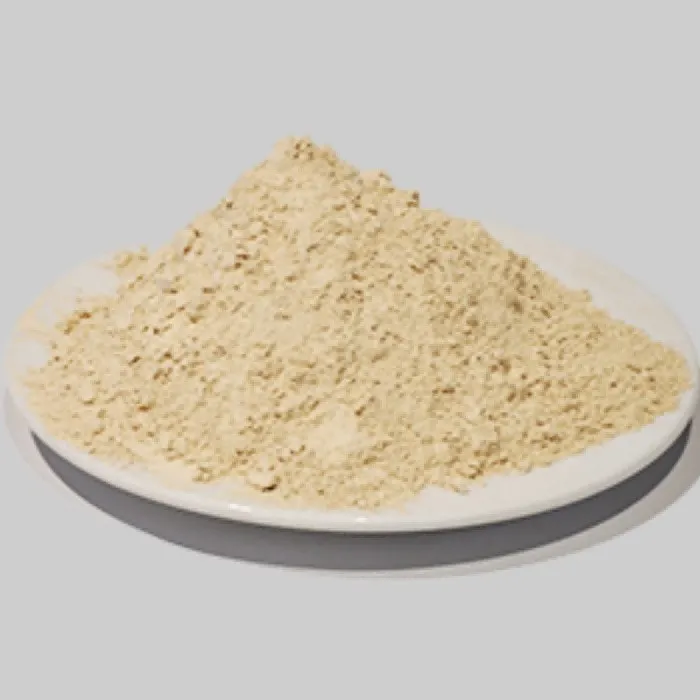
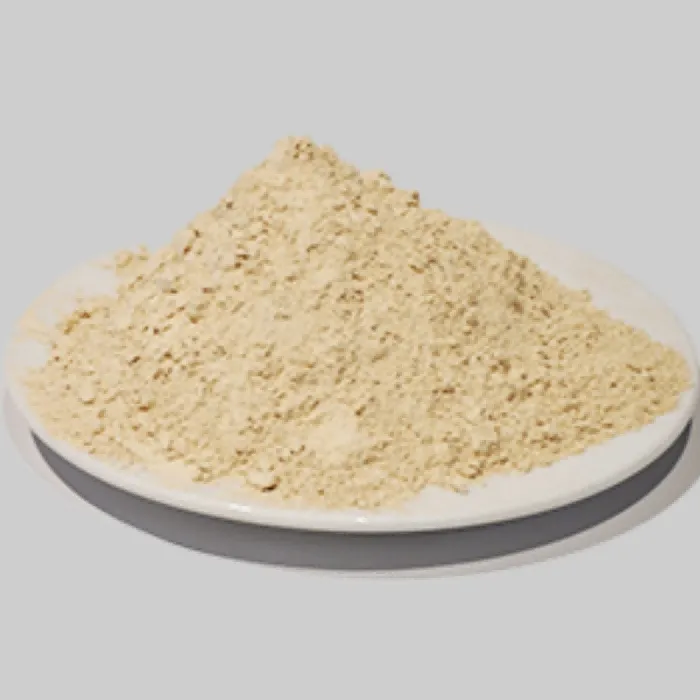
For existing structures, remove any old mortar or damaged refractory materials. Use a chisel or a wire brush to scrape off the old mortar, and then clean the surface with a damp cloth. Make sure the surface is completely dry before applying the new mortar.
Mixing the Mortar
Proper mixing of the refractory mortar is essential for achieving the desired consistency and performance. Follow the manufacturer's instructions carefully when mixing the mortar. Generally, you will need to add water gradually to the dry mortar mix while stirring continuously. Use a mixing paddle or a drill with a mixing attachment for a more thorough mix.
The consistency of the mortar should be similar to that of thick peanut butter. It should be workable but not too runny. If the mortar is too dry, it will be difficult to apply and may not adhere properly. If it is too wet, it may sag or drip, resulting in a weak bond.
Application Techniques
Troweling
Troweling is the most common method of applying refractory mortar. Use a trowel to spread a thin layer of mortar on the surface of the brick or refractory block. The layer should be about 1/8 to 1/4 inch thick. Apply the mortar evenly, making sure to cover the entire surface.
When placing the brick or block on the mortar, press it firmly into place. Use a level to ensure that the brick is straight and level. Tap the brick gently with a rubber mallet to remove any air bubbles and to ensure a good bond with the mortar.
Buttering
Buttering is another technique used for applying refractory mortar. Instead of spreading the mortar on the surface, you apply it to the edges of the brick or block. This method is particularly useful for vertical joints.
Use a trowel to apply a thin layer of mortar to the edges of the brick. Then, place the brick in position and press it firmly against the adjacent brick. The mortar will squeeze out between the bricks, creating a tight seal.
Pouring or Casting
For castable refractory mortar, the pouring or casting method is used. First, prepare the formwork according to the shape and size of the refractory structure. Make sure the formwork is clean and well - oiled to prevent the mortar from sticking.
Pour the mixed castable refractory mortar into the formwork. Use a vibrator or a tamping tool to remove any air bubbles and to ensure that the mortar fills all the corners and voids. Allow the mortar to set according to the manufacturer's instructions.
Joint Finishing
After the bricks or blocks are in place, it's time to finish the joints. Use a jointing tool to smooth and shape the joints. The jointing tool can be used to create different joint profiles, such as concave, convex, or flush joints.
Smooth the joints to remove any excess mortar and to give the structure a neat appearance. Make sure the joints are tight and free of any gaps or voids. This will help to prevent heat loss and improve the overall performance of the refractory structure.
Curing
Curing is an important step in the application of refractory mortar. After the mortar is applied, it needs to be cured properly to develop its full strength and durability. Follow the manufacturer's instructions for the curing process.
In general, the refractory mortar should be kept moist for the first few days after application. You can cover the structure with a damp cloth or plastic sheeting to prevent the mortar from drying out too quickly. Avoid exposing the structure to extreme temperatures or rapid changes in temperature during the curing process.
Quality Control
During the application process, it's important to perform regular quality control checks. Inspect the joints for any signs of cracking, gaps, or unevenness. If you notice any issues, address them immediately.
Check the alignment of the bricks or blocks to ensure that the structure is straight and level. Use a level and a plumb line to make the necessary adjustments.
Safety Precautions
When working with refractory mortar, it's important to take appropriate safety precautions. Wear protective clothing, including gloves, goggles, and a dust mask, to protect yourself from the dust and chemicals in the mortar.
Work in a well - ventilated area to avoid inhaling the dust. If you are working in a confined space, use a ventilation system or a respirator.
Conclusion
Applying refractory mortar requires careful preparation, proper application techniques, and attention to detail. By following the steps outlined in this guide, you can ensure a successful refractory mortar application.
As a trusted refractory mortar supplier, we are committed to providing high - quality products and professional support. If you have any questions or need further assistance with your refractory mortar application, please feel free to contact us for procurement and consultation. We look forward to working with you on your next refractory project.
References
- "Refractory Materials Handbook" by John Doe
- Manufacturer's instructions for various refractory mortar products.