

Hey there! As a supplier of castable fire bricks, I've seen firsthand how the expansion coefficient can really mess with how these bricks are used. So, let's dig into it and see what's what.
First off, let's talk about what the expansion coefficient is. Simply put, it's a measure of how much a material expands or contracts when its temperature changes. For castable fire bricks, this is super important because they're often used in high - temperature environments. When the temperature goes up, the bricks expand, and when it goes down, they contract.
Now, why does this matter? Well, if the expansion coefficient is too high, the bricks can expand a whole lot when heated. This can cause some serious problems. For example, in a furnace or a kiln where the castable fire bricks are installed, excessive expansion can lead to cracking and spalling. Cracks can let hot gases escape, which not only reduces the efficiency of the heating process but also poses a safety risk. Spalling, on the other hand, is when pieces of the brick break off. This can damage the structure of the furnace and also contaminate the materials being processed inside.
On the flip side, if the expansion coefficient is too low, the bricks might not expand enough to fill the gaps between them properly. This can create spaces where heat can leak out, again reducing the efficiency of the heating system. In some cases, these gaps can also allow corrosive gases to seep in and damage the bricks over time.
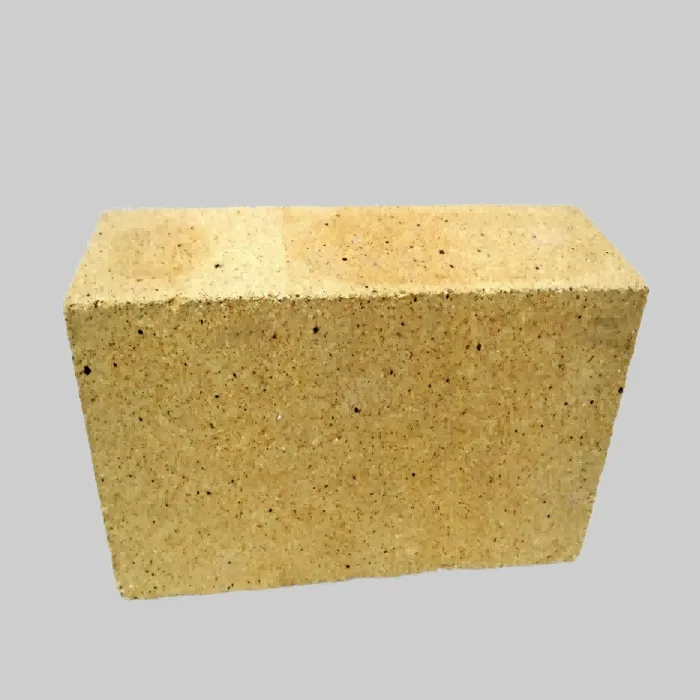
Let's take a look at some real - world scenarios. Say you're using Fire Bricks 230x114x64mm in a small pottery kiln. If the expansion coefficient of these bricks is too high, as the kiln heats up, the bricks will expand so much that they might push against each other with a lot of force. This can cause the bricks to crack, and you'll end up having to replace them more often. On the other hand, if the expansion coefficient is too low, heat will escape through the gaps between the bricks, and you'll have to use more energy to maintain the right temperature in the kiln.
Another example is in a large industrial furnace, like the ones used in steelmaking. Here, Hot Blast Fire Brick is commonly used. The high - temperature environment in these furnaces means that the expansion and contraction of the bricks happen on a much larger scale. If the expansion coefficient isn't right, it can lead to major structural damage. A cracked or spalled fire brick in a steel - making furnace can disrupt the entire production process, causing costly downtime.
Now, let's talk about how we, as a castable fire brick supplier, deal with the expansion coefficient issue. We have a team of experts who carefully select the raw materials used to make the bricks. Different raw materials have different expansion coefficients, so by choosing the right combination, we can control the overall expansion coefficient of the final product.
We also conduct a lot of tests. Before we release a batch of castable fire bricks to the market, we test them in simulated high - temperature environments. We measure how much they expand and contract at different temperatures and make sure that the expansion coefficient is within an acceptable range. This way, we can guarantee that our customers get bricks that will perform well in their specific applications.
In some cases, we even customize the expansion coefficient of the bricks according to the customer's needs. For example, if a customer is building a unique type of furnace with specific temperature requirements, we can adjust the formula of the castable fire bricks to achieve the right expansion coefficient.
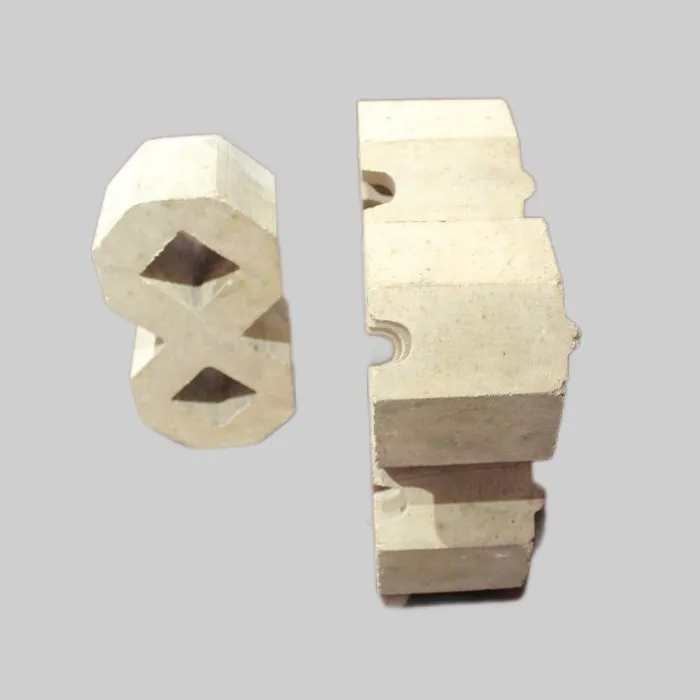
Now, let's consider Fire Bricks with Holes. These bricks are often used in applications where gas flow or heat transfer needs to be optimized. The expansion coefficient of these bricks is also crucial. If the expansion coefficient is off, the holes in the bricks might change shape or size during the heating and cooling process. This can affect the gas flow or heat transfer characteristics of the bricks, which can, in turn, impact the performance of the entire system.
So, as you can see, the expansion coefficient plays a huge role in the use of castable fire bricks. Whether you're a small - scale pottery maker or a large industrial manufacturer, getting the right expansion coefficient is essential for the efficient and safe operation of your heating equipment.
If you're in the market for castable fire bricks and want to learn more about how the expansion coefficient affects their use or need help choosing the right bricks for your application, don't hesitate to reach out. We're here to help you make the best decision for your business.
References
- Ceramic Engineering and Science Proceedings, various issues on refractory materials
- Journal of Materials Science, articles related to thermal expansion of ceramics
- Industrial Heating Magazine, reports on the use of fire bricks in different industries