

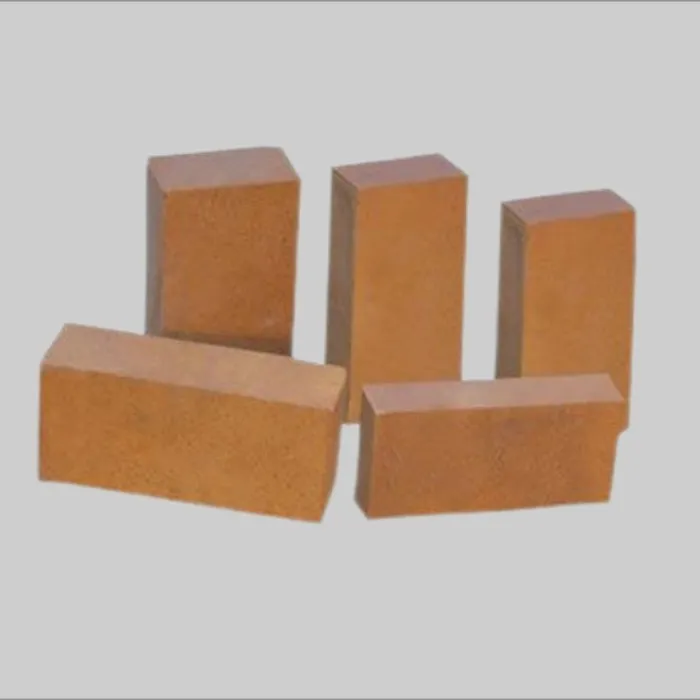
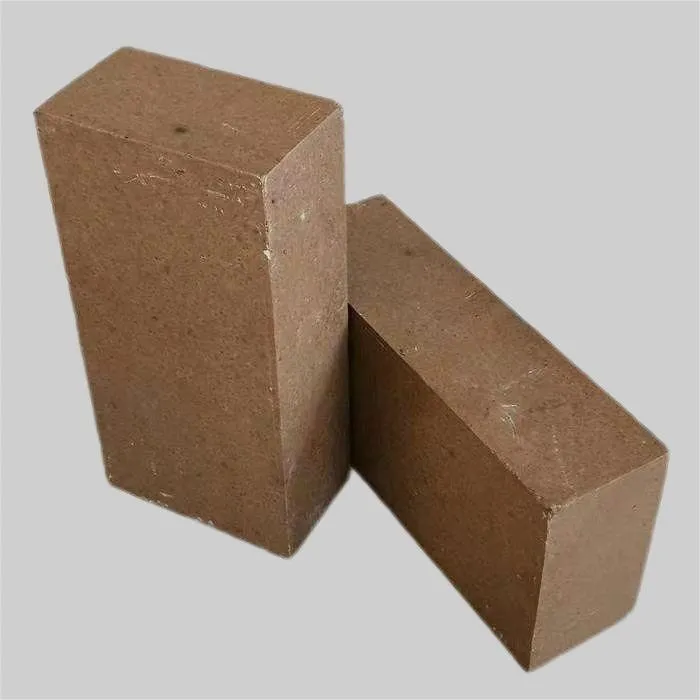
Hey there! As a magnesite brick supplier, I've seen firsthand how crucial it is to maintain these bricks properly. Magnesite bricks, also known as Magnesia Refractory Bricks, Mgo Brick, and Magnesia Brick, are widely used in various high - temperature industrial applications. So, let's dive into how you can keep them in top - notch condition.
Storage is Key
First off, proper storage is essential. Magnesite bricks are sensitive to moisture. If they get wet, it can lead to chemical reactions that weaken the bricks over time. When you receive your magnesite bricks from us, make sure to store them in a dry place. A warehouse with a controlled environment is ideal. If you don't have a climate - controlled space, at least cover the bricks with waterproof tarps. Avoid storing them on the ground directly; use pallets to keep them elevated and away from any potential water seepage.
Another thing to consider during storage is the stacking. Don't stack the bricks too high. Over - stacking can cause the bricks at the bottom to crack under the weight. A good rule of thumb is to stack them in a way that the weight is evenly distributed. If possible, use racks or frames designed for brick storage to ensure stability.
Installation Matters
When it comes to installing magnesite bricks, you've got to do it right. The joints between the bricks are super important. Use the right type of mortar for magnesite bricks. The mortar should have similar thermal expansion properties as the bricks to prevent cracking during heating and cooling cycles.
Make sure the surface where you're installing the bricks is clean and level. Any debris or unevenness can lead to improper installation and early failure of the bricks. During the installation process, take your time to align the bricks correctly. A misaligned brick can cause stress points that may result in cracking or spalling later on.
Regular Inspections
Regular inspections are a must. Set up a schedule to check your magnesite bricks. Look for any signs of damage such as cracks, chips, or spalling. Small cracks can be repaired early on to prevent them from getting worse. If you notice any areas where the bricks are starting to break down, it's important to address it immediately.
Check the joints between the bricks as well. Loose or damaged joints can allow heat to escape and also let in unwanted substances. You can use a simple visual inspection, but for a more thorough check, you might want to use non - destructive testing methods like ultrasonic testing. This can help you detect internal damage that you can't see with the naked eye.
Temperature Control
Magnesite bricks are designed to withstand high temperatures, but extreme temperature fluctuations can take a toll on them. Try to maintain a stable temperature in the environment where the bricks are used. Rapid heating or cooling can cause thermal shock, which leads to cracking.
If you need to change the temperature, do it gradually. For example, when starting up a furnace lined with magnesite bricks, increase the temperature slowly over a period of hours or even days, depending on the size of the furnace. The same goes for shutting down; let the furnace cool down gradually to avoid thermal stress on the bricks.
Chemical Exposure
Be aware of the chemicals that the magnesite bricks may come into contact with. Some chemicals can react with the magnesium oxide in the bricks, causing corrosion. If your industrial process involves the use of aggressive chemicals, make sure to choose magnesite bricks that are resistant to those specific chemicals.
If you suspect that chemical exposure is causing damage to the bricks, take steps to reduce the exposure. This could involve changing the process, adding protective coatings to the bricks, or using barriers to prevent direct contact between the chemicals and the bricks.
Cleaning and Maintenance
Cleaning the magnesite bricks regularly can also help with their longevity. Remove any dirt, dust, or debris that may accumulate on the surface of the bricks. You can use a soft brush or a low - pressure air blower to clean them. Avoid using harsh chemicals or abrasive cleaners, as they can damage the bricks.
If there are stubborn stains or deposits on the bricks, you can use a mild cleaning solution. Test the solution on a small, inconspicuous area first to make sure it doesn't cause any damage. After cleaning, make sure the bricks are completely dry before using the equipment again.
Repairs and Replacements
When it comes to repairs, small cracks can often be filled with a suitable refractory mortar. Make sure to follow the manufacturer's instructions for the mortar. For more extensive damage, you may need to replace the damaged bricks.
When replacing a brick, make sure to match the new brick with the existing ones in terms of size, composition, and quality. Improperly matched bricks can lead to further problems down the line.
Training Your Staff
If you're running an industrial facility, it's important to train your staff on how to handle and maintain the magnesite bricks. They should know the proper installation procedures, the importance of regular inspections, and how to identify signs of damage.
Provide them with the necessary tools and resources to carry out the maintenance tasks. This could include safety equipment, inspection tools, and repair materials. A well - trained staff can go a long way in ensuring the proper maintenance of your magnesite bricks.
Conclusion
Maintaining magnesite bricks is not rocket science, but it does require attention to detail. By following these tips on storage, installation, inspection, temperature control, chemical exposure, cleaning, repairs, and staff training, you can significantly extend the lifespan of your magnesite bricks.
If you're in the market for high - quality magnesite bricks or have any questions about their maintenance, feel free to reach out. We're here to help you make the most of your investment in magnesite bricks. Whether you're building a new furnace or looking to replace some old bricks, we've got you covered. Contact us for more information and to discuss your specific needs.
References
- "Refractory Materials Handbook"
- Industry standards and guidelines for magnesite brick usage and maintenance