

Hey there! As a supplier of refractory mortar, I've seen firsthand the importance of mixing it properly. Whether you're a professional in the construction industry or a DIY enthusiast working on a small project, getting the mix right is crucial for the performance and longevity of your refractory materials. In this blog, I'm gonna share some tips on how to mix refractory mortar like a pro.
Understanding the Basics of Refractory Mortar
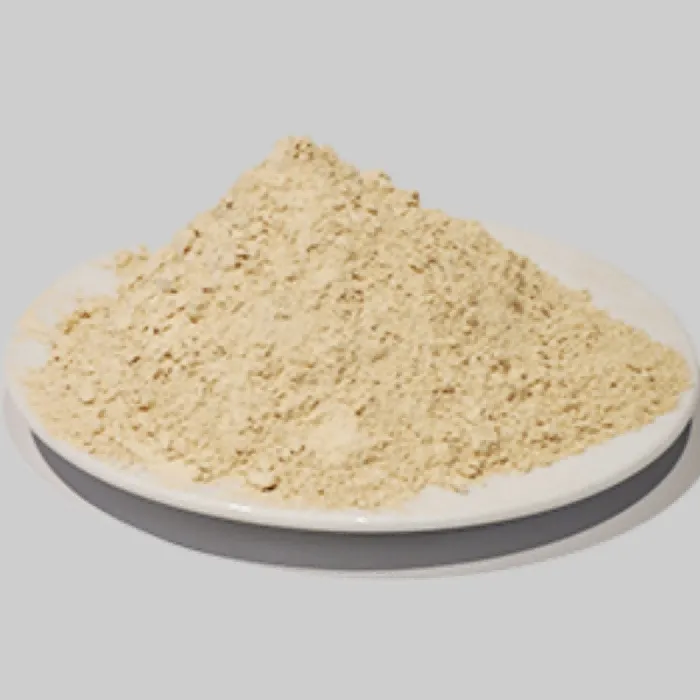
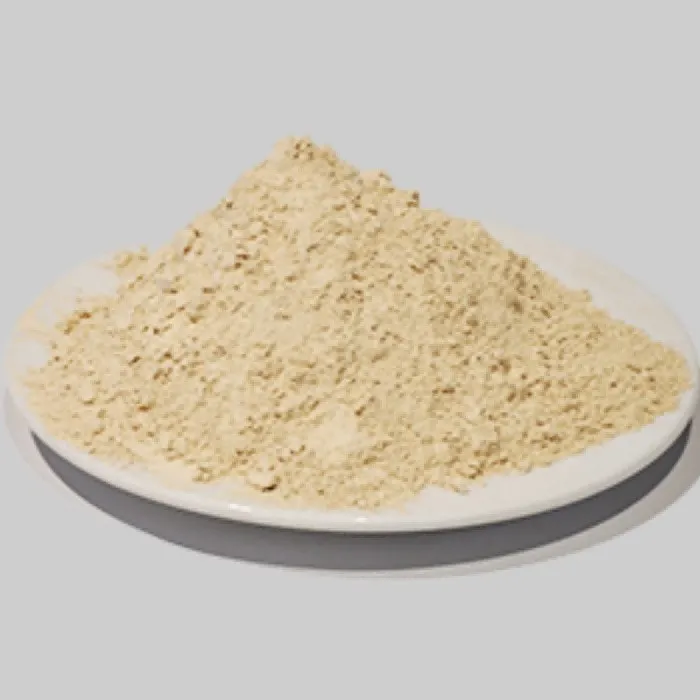
Before we dive into the mixing process, let's quickly go over what refractory mortar is. Refractory mortar is a special type of mortar designed to withstand high temperatures. It's used in applications like fireplaces, kilns, and industrial furnaces. There are different types of refractory mortar, each with its own properties and uses. For example, Firebrick Mortar Mix is great for laying firebricks, Castable Refractory Mortar can be poured into place, and High Alumina Mortar offers high heat resistance.
Gathering Your Materials
First things first, you'll need to gather all the materials you'll need for the mixing process. Here's a list of what you'll typically need:
- Refractory Mortar: Obviously, you'll need the right type of refractory mortar for your project. Make sure to choose the one that suits your specific needs.
- Water: The quality of water can affect the properties of the mortar. Use clean, potable water. Avoid using water that's too hard or contains impurities.
- Mixing Container: You'll need a large, clean container to mix the mortar in. A wheelbarrow or a large bucket works well.
- Mixing Tools: A hoe or a paddle mixer is ideal for mixing refractory mortar. A hoe allows you to manually mix the mortar, while a paddle mixer can make the process faster and more consistent.
- Safety Gear: Don't forget to wear safety gear like gloves, goggles, and a dust mask. Refractory mortar can be irritating to the skin, eyes, and lungs.
Preparing the Mixing Area
Once you have all your materials, it's time to prepare the mixing area. Choose a flat, stable surface where you can work without any interruptions. Make sure the area is well-ventilated to avoid inhaling dust. If you're working indoors, open windows and doors or use a fan to circulate the air.
Measuring the Ingredients
Accurate measurement of the ingredients is key to getting the right consistency and performance of the refractory mortar. Most refractory mortar comes with instructions on the packaging about the recommended water-to-mortar ratio. Follow these instructions carefully.
Start by pouring the dry refractory mortar into the mixing container. Then, gradually add water to the dry mortar while mixing. It's better to start with less water and add more as needed. You don't want the mortar to be too wet or too dry.
Mixing the Mortar
Now comes the fun part - mixing the mortar. If you're using a hoe, start by making a well in the center of the dry mortar. Pour a small amount of water into the well and start mixing the water into the dry mortar from the edges. Gradually add more water and continue mixing until the mortar reaches a smooth, consistent consistency.
If you're using a paddle mixer, attach the paddle to a drill and place it in the mixing container. Start the drill on a low speed and slowly add water to the dry mortar while the mixer is running. Keep mixing the mortar for a few minutes until it's well combined.
Make sure to mix the mortar thoroughly. There should be no dry lumps left in the mixture. The mortar should be easy to spread and work with.
Testing the Consistency
Once you've mixed the mortar, it's important to test its consistency. The right consistency will depend on the application. For most applications, the mortar should be thick enough to hold its shape but still be spreadable.
You can test the consistency by picking up a small amount of mortar on a trowel. If the mortar holds its shape on the trowel and doesn't drip, it's probably at the right consistency. If the mortar is too wet, it will drip off the trowel. If it's too dry, it will crumble.
If the mortar is too wet, add a small amount of dry mortar and mix it in. If it's too dry, add a little more water and continue mixing.
Using the Mixed Mortar
Once you're satisfied with the consistency of the mortar, it's time to use it. Refractory mortar starts to set relatively quickly, so you should use it within a certain time frame. Most refractory mortar has a working time of about 30 minutes to an hour, depending on the type and the ambient temperature.
When applying the mortar, use a trowel to spread it evenly on the surface where you're laying the refractory materials. Make sure to apply enough pressure to ensure good adhesion.
Cleaning Up
After you've finished using the mortar, it's important to clean up your tools and the mixing area. Refractory mortar can harden quickly, so it's best to clean the tools while the mortar is still wet. Use water and a brush to clean the mixing container, hoe, and trowel.
Troubleshooting Common Issues
Sometimes, you might run into some issues when mixing refractory mortar. Here are some common problems and how to fix them:
- Mortar is Too Dry: If the mortar is too dry, it will be difficult to spread and may not bond properly. Add a small amount of water to the mortar and mix it thoroughly until it reaches the right consistency.
- Mortar is Too Wet: If the mortar is too wet, it will be runny and may not hold its shape. Add a small amount of dry mortar to the wet mortar and mix it well until the consistency improves.
- Mortar Has Lumps: If you notice lumps in the mortar, it means the mixing was not thorough enough. Break up the lumps by mixing the mortar more vigorously or using a sieve to remove the lumps.
Conclusion
Mixing refractory mortar properly is not rocket science, but it does require some attention to detail. By following these tips, you can ensure that you get the right consistency and performance from your refractory mortar.
If you have any questions about refractory mortar or need help choosing the right type for your project, don't hesitate to reach out. We're here to assist you with all your refractory mortar needs. Whether you're a large construction company or a homeowner working on a small project, we can provide you with high-quality refractory mortar and expert advice. Contact us today to start discussing your requirements and let's work together to make your project a success.
References
- Manufacturer's instructions on refractory mortar packaging.
- Industry standards and best practices for refractory mortar mixing.