

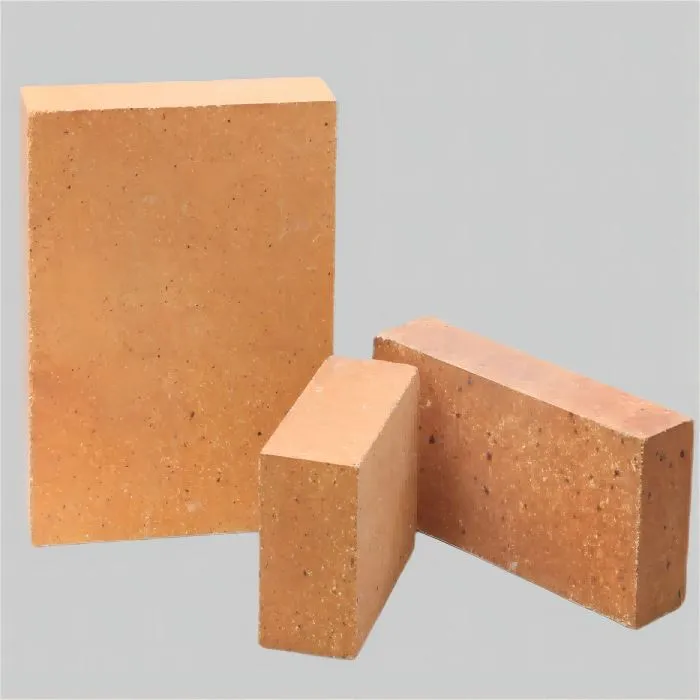
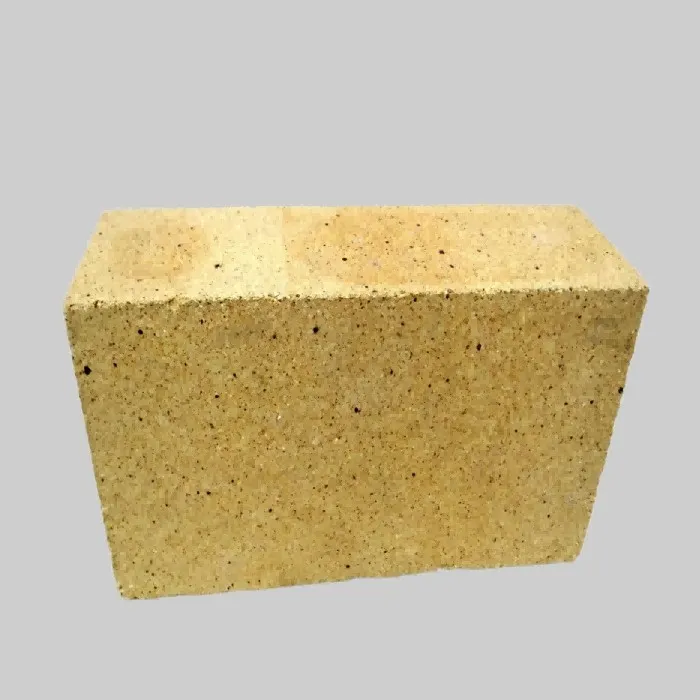
Hey there! As a supplier of castable fire bricks, I often get asked about how to test the abrasion resistance of these crucial components. Abrasion resistance is super important, especially in industries where fire bricks are exposed to constant wear and tear. In this blog, I'll walk you through the process of testing the abrasion resistance of castable fire bricks.
Why Test Abrasion Resistance?
Before we dive into the testing methods, let's quickly talk about why it's so important to test the abrasion resistance of castable fire bricks. In many industrial applications, such as Kiln Linings Fire Bricks, these bricks are subjected to harsh conditions. They might come into contact with abrasive materials, high - velocity gases, or mechanical forces. If a fire brick doesn't have good abrasion resistance, it can wear out quickly, leading to reduced efficiency, increased maintenance costs, and even safety risks.
Preparation for Testing
First things first, you need to prepare the test samples. Select representative pieces of your castable fire bricks. Make sure they are of the same batch and have similar dimensions. Usually, you'll want to cut the samples into small, uniform pieces. The size can vary depending on the testing equipment you'll be using, but a common size is around 100mm x 100mm x 50mm.
Next, clean the samples thoroughly. Remove any dust, debris, or loose particles from the surface. You can use a brush or compressed air to do this. This step is crucial because any foreign matter on the surface can affect the test results.
Testing Methods
The Taber Abraser Method
One of the most popular methods for testing abrasion resistance is the Taber Abraser method. This machine consists of a rotating platform on which the test sample is placed. Two abrasive wheels are then pressed against the sample with a specific load. As the platform rotates, the wheels abrade the surface of the sample.
To start the test, mount the prepared sample firmly on the platform. Select the appropriate abrasive wheels based on the type of abrasion you expect in the actual application. For example, if the fire bricks will be exposed to fine particles, you might choose a wheel with a fine abrasive.
Set the load on the wheels and the number of revolutions. The number of revolutions can vary depending on the standard you're following or the requirements of your specific application. A common number of revolutions is 1000, but it could be more or less.
Once you've set everything up, start the machine. After the specified number of revolutions, stop the machine and remove the sample. Weigh the sample before and after the test. The difference in weight represents the amount of material lost due to abrasion. A lower weight loss indicates better abrasion resistance.
The Dry Sand/Rubber Wheel Abrasion Test
Another method is the dry sand/rubber wheel abrasion test. In this test, a rubber wheel rotates against the test sample while dry sand is fed between the wheel and the sample.
First, mount the sample on the test fixture. Make sure it's securely held in place. Then, start the rotation of the rubber wheel and begin feeding the dry sand at a constant rate. The sand acts as an abrasive, wearing away the surface of the sample.
Run the test for a set period of time or a specific number of wheel revolutions. After the test, clean the sample and weigh it. Again, calculate the weight loss to determine the abrasion resistance. This method is particularly useful for simulating the abrasion caused by sand - like particles in industrial environments.
Factors Affecting Abrasion Resistance
Several factors can affect the abrasion resistance of castable fire bricks. The composition of the brick is a major factor. Bricks with a higher content of hard, wear - resistant materials, such as alumina, tend to have better abrasion resistance. The density of the brick also plays a role. Denser bricks generally have better abrasion resistance because they have fewer pores and a more compact structure.
The manufacturing process can also impact abrasion resistance. Proper mixing, casting, and curing are essential for producing bricks with good abrasion - resistant properties. Any defects in the manufacturing process, such as uneven distribution of materials or improper curing, can lead to reduced abrasion resistance.
Interpreting the Results
Once you've completed the tests and calculated the weight loss, you need to interpret the results. Compare the weight loss of your samples with the requirements of your application or the standards you're following. For example, if you're supplying Large Refractory Bricks for a high - abrasion environment, you'll need to ensure that the weight loss is within an acceptable range.
If the weight loss is too high, it might indicate that the castable fire bricks need some improvement. You could try adjusting the composition, changing the manufacturing process, or using different raw materials.
Quality Control and Assurance
Testing the abrasion resistance of castable fire bricks is not a one - time thing. It should be part of your regular quality control and assurance program. Conduct tests on a regular basis, especially when there are changes in the raw materials, manufacturing process, or production batch.
Keep detailed records of the test results. These records can be used to track the quality of your products over time and to identify any trends or issues. If you notice a sudden increase in weight loss or a change in the abrasion resistance pattern, it could be a sign of a problem that needs to be addressed.
Conclusion
Testing the abrasion resistance of castable fire bricks is a crucial step in ensuring the quality and performance of these products. By using methods like the Taber Abraser method or the dry sand/rubber wheel abrasion test, you can accurately measure the abrasion resistance of your bricks.
As a supplier, I'm committed to providing high - quality castable fire bricks. Our Sk34 Firebrick is just one example of our products that undergo rigorous abrasion resistance testing. If you're in the market for castable fire bricks, whether it's for kiln linings, large - scale refractory applications, or other industrial uses, I'd love to talk to you. We can discuss your specific requirements, provide you with detailed product information, and help you choose the right fire bricks for your needs. Don't hesitate to reach out for a procurement discussion.
References
- ASTM International. Standard Test Methods for Abrasion Resistance of Organic Coatings by the Taber Abraser.
- ISO Standards. Abrasion Testing Standards for Refractory Materials.