

Hey there! As a supplier of tundish nozzles, I've seen firsthand how crucial these little components are in the twin - strand continuous casting process. In this blog, I'm gonna break down the functions of a tundish nozzle in this process and why it matters so much.
1. Flow Control
One of the primary functions of a tundish nozzle in a twin - strand continuous casting process is to control the flow of molten steel from the tundish into the molds. Think of it like a faucet for molten metal. The rate at which the steel flows is super important. If it's too fast, the mold might not be able to handle the influx, leading to issues like splashing and uneven solidification. On the other hand, if the flow is too slow, the casting process could be inefficient, and the steel might start to solidify in the wrong places.
Tundish nozzles are designed with different inner diameters and shapes to regulate this flow. For example, some nozzles have a tapered design that can help to maintain a consistent flow rate. By adjusting the opening and closing of the nozzle, operators can precisely control how much steel goes into each strand. This is essential for ensuring that both strands in the twin - strand casting process receive an equal amount of molten steel, which is key for producing high - quality cast products.
2. Distribution of Molten Steel
In a twin - strand continuous casting setup, the tundish nozzle also plays a vital role in evenly distributing the molten steel between the two strands. You can't just pour the steel randomly; it needs to be split evenly so that both strands can form properly. The nozzle is engineered to direct the flow of steel in a way that ensures equal distribution.
This even distribution is crucial for maintaining the symmetry and quality of the cast products. If one strand receives more steel than the other, it can lead to differences in the size, shape, and internal structure of the final castings. The tundish nozzle helps to prevent these issues by acting as a distributor, making sure that each strand gets its fair share of the molten metal.
3. Protection Against Oxidation
Molten steel is highly reactive and can easily oxidize when it comes into contact with air. Oxidation can cause a whole bunch of problems, such as reducing the quality of the steel and creating inclusions in the final product. The tundish nozzle acts as a barrier between the molten steel and the surrounding air.
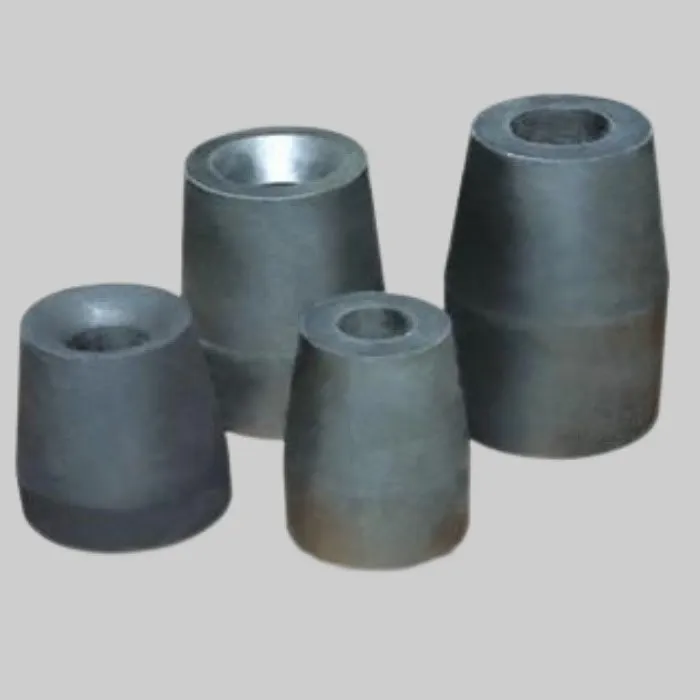
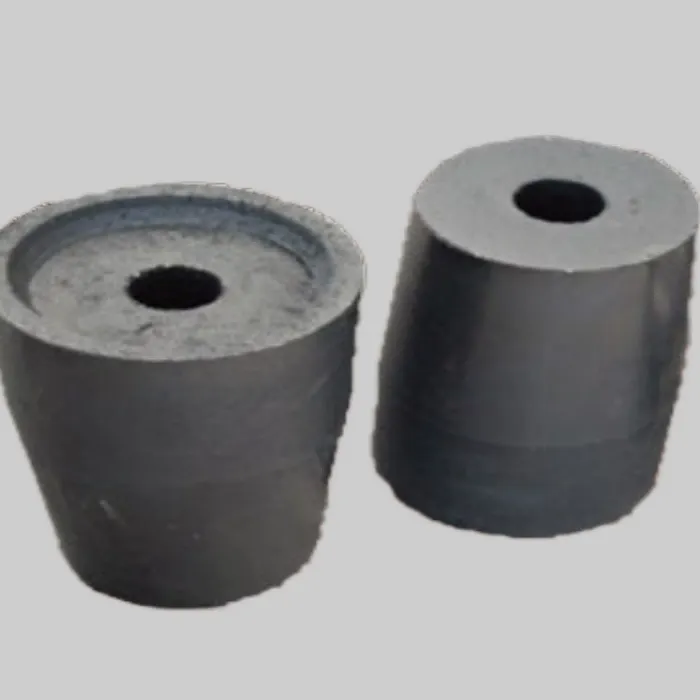
Most tundish nozzles are made from refractory materials that can withstand high temperatures and prevent oxygen from reaching the steel. These materials create a protective layer around the flowing steel, minimizing the risk of oxidation. By keeping the steel in a relatively oxygen - free environment during the casting process, the nozzle helps to produce cleaner, higher - quality castings.
4. Prevention of Clogging
Clogging is a major headache in the continuous casting process. When the tundish nozzle gets clogged, it can disrupt the flow of molten steel and even stop the entire casting operation. There are several reasons why a nozzle might clog, such as the formation of solidified steel or the accumulation of non - metallic inclusions.
Tundish nozzles are designed to minimize the risk of clogging. They have smooth inner surfaces that reduce the chances of steel or inclusions sticking to the walls. Some nozzles also use special coatings or designs that can prevent the build - up of deposits. Additionally, operators can use techniques like purging with inert gases to keep the nozzle clear. By preventing clogging, the tundish nozzle ensures the continuous and efficient operation of the twin - strand casting process.
5. Temperature Control
Maintaining the right temperature of the molten steel is critical during the casting process. If the steel cools down too much before it reaches the mold, it can solidify prematurely and cause defects in the final product. The tundish nozzle helps to control the temperature of the steel as it flows from the tundish to the molds.
The refractory materials used in the nozzle have good thermal insulation properties. They can slow down the heat transfer from the steel to the surrounding environment, keeping the steel at a suitable temperature for casting. This is especially important in a twin - strand process, where the steel needs to be at the right temperature for both strands to form properly.
Related Products
If you're interested in learning more about refractory nozzles, I've got some links for you. Check out our Refractory Collector Nozzle, Tundish Nozzle, and Refractory Ladle Nozzle. These products are all part of our high - quality range of refractory nozzles that are designed to meet the needs of the continuous casting industry.
Conclusion
As you can see, the tundish nozzle is a key component in the twin - strand continuous casting process. It performs multiple functions, from controlling the flow of molten steel to preventing oxidation and clogging. These functions are essential for ensuring the smooth operation of the casting process and the production of high - quality cast products.
If you're in the market for reliable tundish nozzles or have any questions about our products, don't hesitate to reach out. We're here to help you with all your refractory nozzle needs. Whether you're a small - scale foundry or a large - scale steel manufacturer, we've got the right solutions for you. Let's start a conversation and see how we can work together to improve your casting process.
References
- "Continuous Casting of Steel" by John Doe
- "Refractory Materials in Steelmaking" by Jane Smith
- Industry reports on continuous casting technology