

Testing the quality of a slide gate plate is crucial in the field of metallurgy and steelmaking. As a reputable slide gate plate supplier, we understand the significance of ensuring the highest quality of our products to meet the demanding needs of our customers in steel plants and other related industries. In this blog post, we will explore the various methods and criteria for testing the quality of slide gate plates.
Physical and Structural Inspection
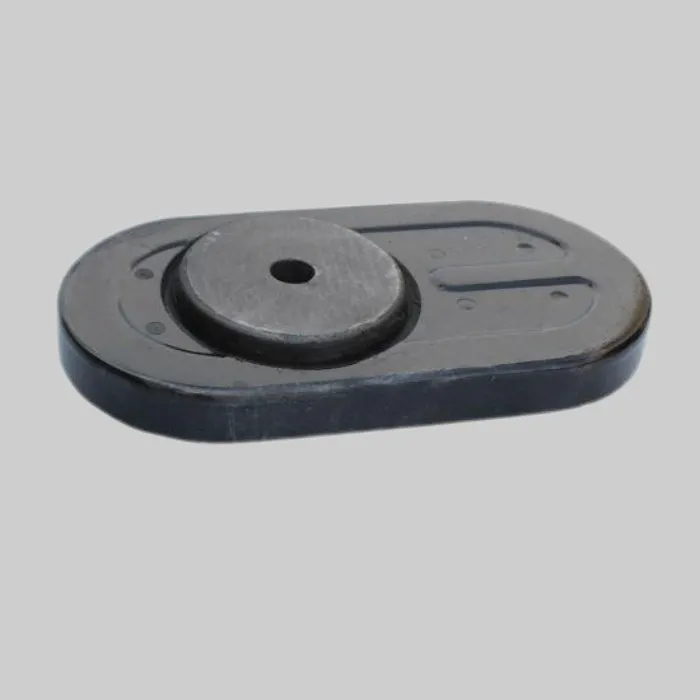
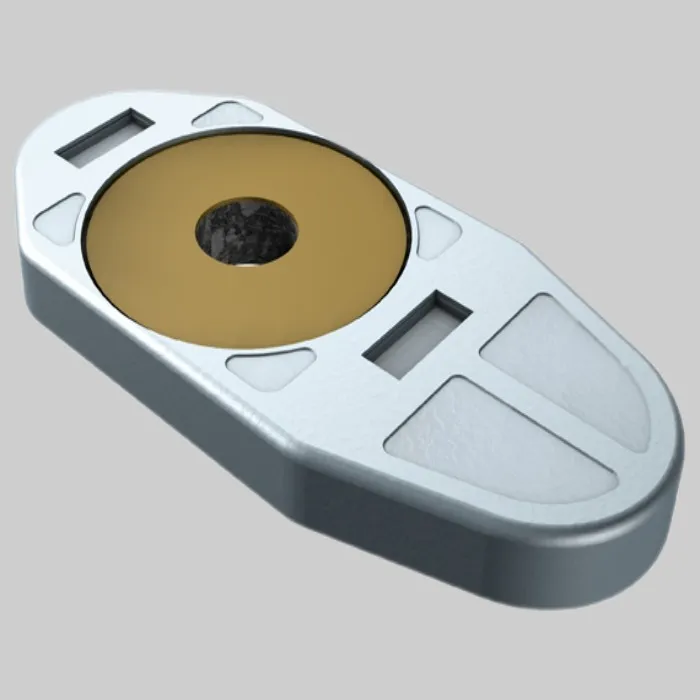
One of the initial steps in testing the quality of a slide gate plate is a visual and physical inspection. This involves a thorough examination of the surface finish, dimensional accuracy, and any visible cracks or defects. The surface of the slide gate plate should be smooth and free from any roughness or irregularities that could affect its performance. Dimensional accuracy is also critical, as the slide gate plate must fit precisely into the slide gate valve assembly. Any deviation from the specified dimensions can lead to improper functioning and potential leakage of molten metal.
We use advanced measuring tools and techniques to ensure that our slide gate plates meet the strictest dimensional tolerances. For example, we employ coordinate measuring machines (CMMs) to measure the critical dimensions of the slide gate plate with high precision. This helps us to identify any minor variations and take corrective actions before the product is shipped to our customers.
In addition to visual and dimensional inspection, we also conduct a hardness test on the slide gate plate. Hardness is an important property that determines the wear resistance and durability of the slide gate plate. We use a hardness tester to measure the hardness of the slide gate plate at various points. If the hardness is not within the specified range, it could indicate a problem with the manufacturing process or the material quality.
Thermal and Chemical Resistance Testing
Slide gate plates are exposed to extremely high temperatures and corrosive environments during the steelmaking process. Therefore, it is essential to test their thermal and chemical resistance. Thermal shock resistance is a critical property that determines the ability of the slide gate plate to withstand sudden changes in temperature without cracking or spalling.
We conduct thermal shock tests by subjecting the slide gate plate to rapid heating and cooling cycles. The slide gate plate is heated to a high temperature and then rapidly cooled by quenching it in water or air. This process is repeated several times to simulate the actual operating conditions in a steel plant. After the thermal shock test, we inspect the slide gate plate for any signs of cracking or damage.
Chemical resistance testing is also important to ensure that the slide gate plate can withstand the corrosive effects of molten metal and slag. We immerse the slide gate plate in a simulated molten metal or slag environment for a specified period of time. After the immersion, we analyze the surface of the slide gate plate for any signs of corrosion or chemical attack.
Mechanical Performance Testing
The mechanical performance of a slide gate plate is crucial for its proper functioning in a slide gate valve assembly. We conduct a series of mechanical tests to evaluate the strength, toughness, and flexibility of the slide gate plate.
One of the important mechanical tests is the flexural strength test. In this test, a sample of the slide gate plate is placed on two supports and a load is applied at the center until the sample breaks. The flexural strength is calculated based on the maximum load that the sample can withstand. A high flexural strength indicates that the slide gate plate is strong and can withstand the mechanical stresses during operation.
We also conduct a compression strength test to measure the ability of the slide gate plate to withstand compressive forces. In this test, a sample of the slide gate plate is placed between two platens and a compressive load is applied until the sample fails. The compression strength is calculated based on the maximum load that the sample can withstand.
Another important mechanical property is the fracture toughness. Fracture toughness is a measure of the ability of the slide gate plate to resist crack propagation. We use a specialized testing method to measure the fracture toughness of the slide gate plate. A high fracture toughness indicates that the slide gate plate is less likely to crack or break under stress.
Leakage Testing
Leakage testing is a critical aspect of quality control for slide gate plates. A leaky slide gate plate can lead to serious safety hazards and production losses in a steel plant. We use a pressure test to check for any leakage in the slide gate plate.
In a pressure test, the slide gate plate is installed in a test fixture and pressurized with a specified gas or liquid. The pressure is maintained for a certain period of time, and any leakage is detected by monitoring the pressure drop. If a leakage is detected, the slide gate plate is rejected and further analyzed to determine the cause of the leakage.
References
- ASM Handbook Volume 4A: Heat Treating Fundamentals and Processes, ASM International
- Refractory Materials Handbook, William D. Kingery
- Standards and Specifications for Steel Plant Equipment, American Iron and Steel Institute
As a leading slide gate plate supplier, we are committed to providing our customers with the highest quality products. Our rigorous testing procedures ensure that every slide gate plate that leaves our factory meets or exceeds the industry standards. If you are interested in purchasing Steel Plant Slide Gate Plate, 1 Qc Slide Gate Plate or Slide Gate Refractories, please contact us for more information and to discuss your specific requirements. Our team of experts is ready to assist you in finding the best solution for your needs.