

As a seasoned supplier of gunning mix, I've witnessed firsthand the crucial role additives play in enhancing the performance and properties of these refractory materials. Gunning mix is a vital component in various industrial applications, especially in high - temperature environments such as steelmaking, foundries, and glass manufacturing. In this blog, I'll delve into the effects of additives on gunning mix, exploring how they can improve its workability, durability, and overall functionality.
The Basics of Gunning Mix
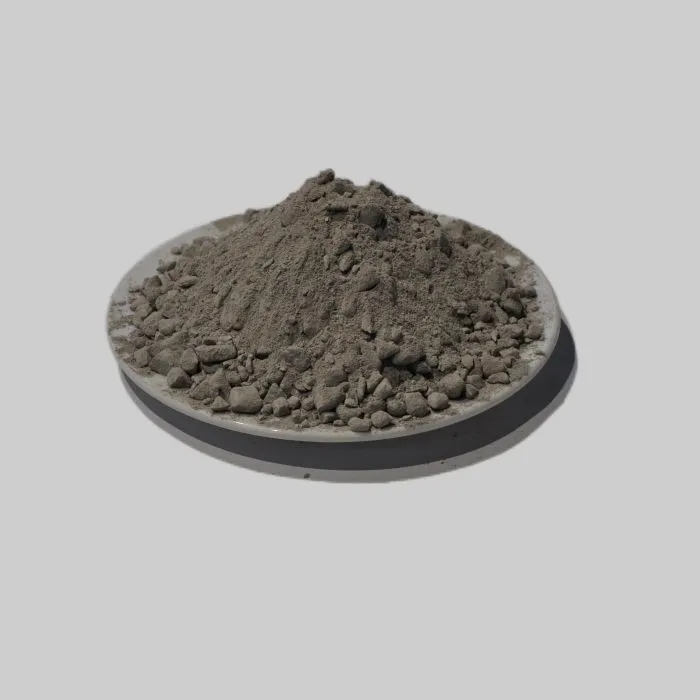
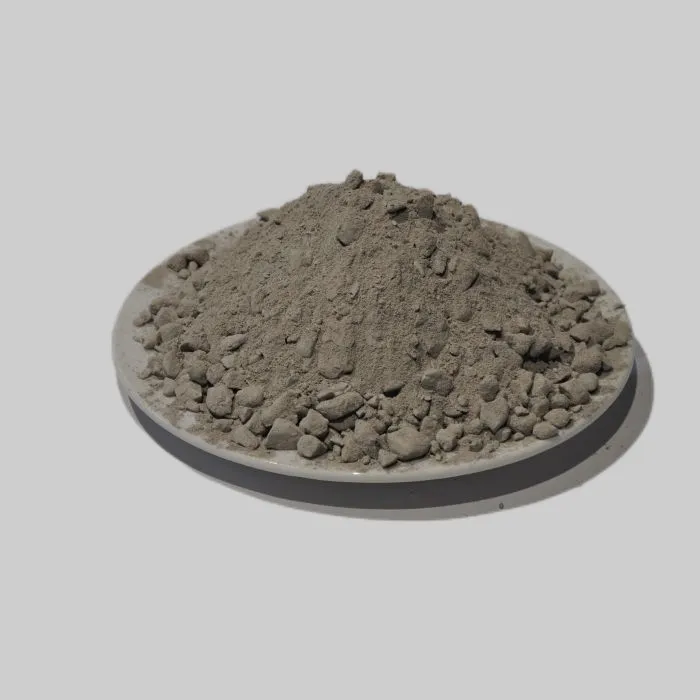
Before discussing the impact of additives, it's essential to understand what gunning mix is. Gunning mix is a refractory material that is pneumatically applied to surfaces using a gun. It is typically used for patching and repairing refractory linings in furnaces, ladles, and other high - temperature equipment. The basic composition of gunning mix includes refractory aggregates, binders, and sometimes other minor components. The aggregates provide the structural strength, while the binders hold the mix together and help it adhere to the surface.
Types of Additives and Their Effects
1. Workability Enhancers
One of the primary challenges in applying gunning mix is achieving good workability. Workability refers to the ease with which the mix can be pumped, sprayed, and spread on the target surface. Additives such as superplasticizers and dispersants are commonly used to improve workability.
Superplasticizers are chemical compounds that reduce the water demand of the gunning mix while maintaining its fluidity. By reducing the water content, the mix becomes denser and has better mechanical properties after drying and firing. This is particularly important in high - temperature applications, as excessive water can lead to cracking and spalling during the heating process. For example, polycarboxylate - based superplasticizers are widely used in gunning mixes. They adsorb on the surface of the refractory particles, creating a repulsive force that keeps the particles apart and allows for better flow.
Dispersants, on the other hand, break up agglomerates of refractory particles in the mix. This ensures a more uniform distribution of the particles, which in turn improves the homogeneity of the gunning mix. As a result, the mix can be applied more evenly, reducing the risk of weak spots in the refractory lining. Common dispersants include sodium tripolyphosphate and sodium hexametaphosphate.
2. Setting and Hardening Accelerators
In some applications, it is necessary to speed up the setting and hardening process of the gunning mix. This is especially important when quick repairs are needed, and the equipment needs to be back in operation as soon as possible. Additives such as calcium aluminate cement and alkali metal salts can act as setting and hardening accelerators.
Calcium aluminate cement reacts with water to form hydrates, which provide early strength to the gunning mix. It can significantly reduce the setting time, allowing the mix to gain sufficient strength for further handling and use in a shorter period. Alkali metal salts, such as sodium carbonate and potassium carbonate, can also accelerate the hydration process of the binders in the gunning mix, leading to faster hardening.
3. Anti - Oxidation and Corrosion Resistance Additives
Gunning mix used in high - temperature environments is often exposed to oxidizing atmospheres and corrosive substances. To improve its resistance to oxidation and corrosion, additives such as silicon carbide and graphite can be incorporated.
Silicon carbide has excellent thermal conductivity and oxidation resistance. When added to the gunning mix, it forms a protective layer on the surface of the refractory lining, preventing oxygen from diffusing into the material and causing oxidation. Graphite, on the other hand, has good lubricity and chemical stability. It can enhance the corrosion resistance of the gunning mix by reducing the wetting of the refractory surface by molten metals and slags.
4. Thermal Shock Resistance Additives
Thermal shock is a major concern in high - temperature applications, as rapid temperature changes can cause the refractory lining to crack and fail. Additives such as zirconia and alumina fibers can improve the thermal shock resistance of gunning mix.
Zirconia has a high coefficient of thermal expansion and can absorb the stresses generated during thermal cycling. When added to the gunning mix, it acts as a stress - relieving agent, reducing the risk of cracking. Alumina fibers have high strength and flexibility, which can help the gunning mix withstand thermal shock by bridging cracks and preventing their propagation.
Case Studies: Real - World Applications
Let's take a look at some real - world examples of how additives in gunning mix have made a difference. In a steelmaking plant, the ladles are constantly exposed to high - temperature molten steel and slag. Using a Ladle Gunning Mix with anti - oxidation and corrosion - resistant additives has significantly extended the service life of the ladle linings. The silicon carbide and graphite additives in the mix form a protective layer that prevents the molten steel and slag from attacking the refractory lining, reducing the frequency of repairs and downtime.
In an electric arc furnace (EAF), hot patching is often required to repair the refractory lining during operation. The Hot Patching EAF Gunning Mix with workability enhancers and setting accelerators allows for quick and efficient repairs. The superplasticizers in the mix make it easy to pump and spray, even at high temperatures, while the calcium aluminate cement ensures rapid setting and hardening, enabling the furnace to resume operation in a short time.
Considerations When Using Additives
While additives can bring many benefits to gunning mix, there are also some considerations to keep in mind. First, the type and amount of additives need to be carefully selected based on the specific application requirements. Too much of an additive can sometimes have a negative impact on the properties of the gunning mix. For example, excessive use of superplasticizers can lead to segregation of the mix, where the aggregates settle at the bottom and the water rises to the top.
Second, the compatibility of additives with other components in the gunning mix is crucial. Some additives may react with the binders or aggregates, causing changes in the chemical and physical properties of the mix. Therefore, thorough testing and evaluation are necessary before using new additives in large - scale applications.
Conclusion
In conclusion, additives play a vital role in enhancing the performance and properties of gunning mix. They can improve workability, accelerate setting and hardening, increase anti - oxidation and corrosion resistance, and enhance thermal shock resistance. As a gunning mix supplier, I understand the importance of using the right additives to meet the diverse needs of our customers. Whether you are in the steelmaking, foundry, or glass manufacturing industry, choosing the appropriate gunning mix with the right additives can significantly improve the efficiency and longevity of your high - temperature equipment.
If you are interested in learning more about our gunning mix products or have specific requirements for your application, I encourage you to contact us for a detailed discussion. We are committed to providing high - quality gunning mix solutions tailored to your needs.
References
- "Refractories Handbook", Second Edition, Edited by Peter J. F. Harris.
- "High - Temperature Materials and Technologies", by David J. Green, Rishi Raj, and Brian Derby.
- Research papers on refractory materials from international journals such as "Journal of the American Ceramic Society" and "Refractories Worldforum".