

Is bubble alumina resistant to corrosion?
As a supplier of bubble alumina, I've often been asked about its corrosion resistance. It's a crucial question, especially for industries where materials are exposed to harsh chemical environments. In this blog, I'll delve into the topic, exploring the properties of bubble alumina and its ability to withstand corrosion.
Understanding Bubble Alumina
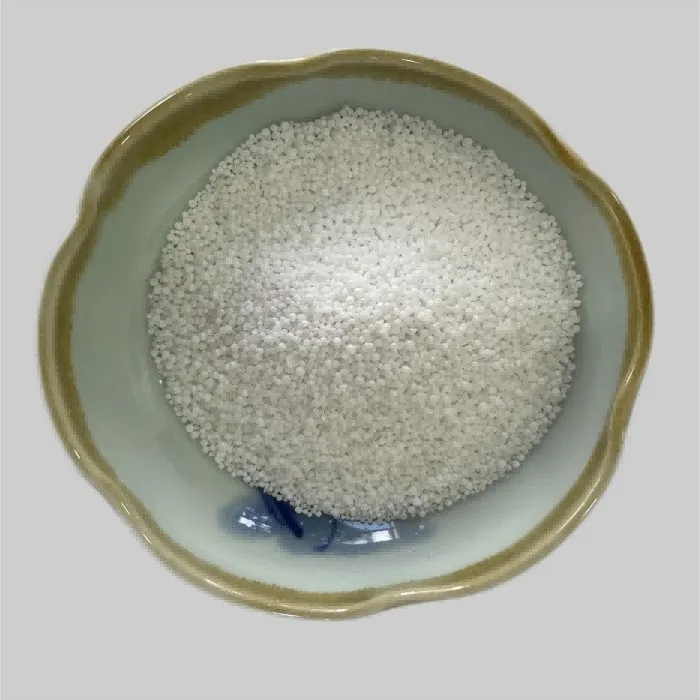
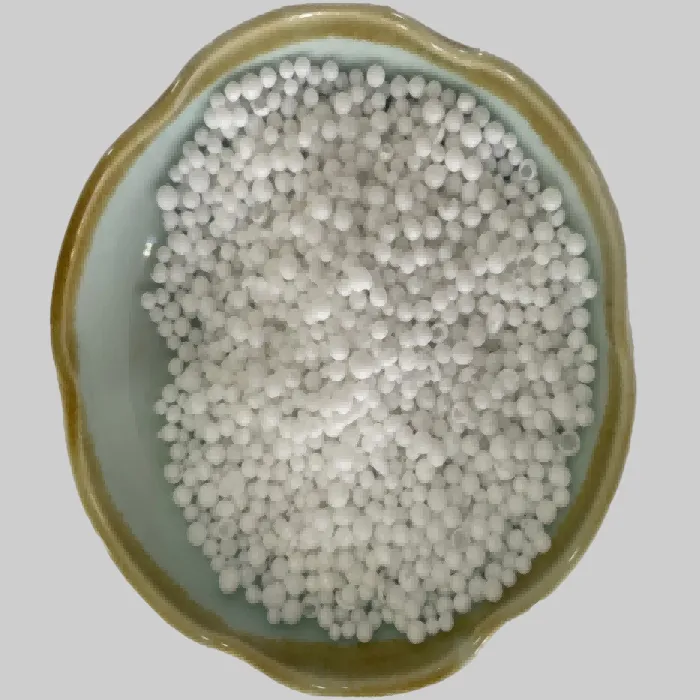
Bubble alumina is a unique material with a porous structure. It's produced through a special manufacturing process that creates spherical bubbles within the alumina matrix. These bubbles give bubble alumina its lightweight and insulating properties, making it suitable for a variety of applications, including refractory materials, insulation products, and catalyst supports.
The chemical composition of bubble alumina is primarily aluminum oxide (Al₂O₃), which is known for its high melting point and chemical stability. This makes bubble alumina inherently resistant to many chemical substances. However, its corrosion resistance can vary depending on several factors, such as the purity of the alumina, the size and distribution of the bubbles, and the specific chemical environment it's exposed to.
Factors Affecting Corrosion Resistance
Purity of Alumina
The purity of bubble alumina plays a significant role in its corrosion resistance. Higher purity alumina generally has better chemical stability and is more resistant to corrosion. Impurities in the alumina can react with chemicals in the environment, leading to corrosion. For example, if the bubble alumina contains trace amounts of iron or other metals, these impurities can act as catalysts for corrosion reactions.
Bubble Structure
The size and distribution of the bubbles in bubble alumina can also affect its corrosion resistance. Smaller bubbles with a more uniform distribution can provide a more continuous and protective barrier against chemical attack. On the other hand, larger bubbles or unevenly distributed bubbles may create weak points in the material, making it more susceptible to corrosion.
Chemical Environment
The specific chemical environment that bubble alumina is exposed to is perhaps the most important factor in determining its corrosion resistance. Different chemicals have different reactivity with alumina. For example, strong acids and alkalis can react with alumina, causing it to dissolve or degrade. However, in less aggressive environments, such as mild acids or neutral solutions, bubble alumina can exhibit excellent corrosion resistance.
Corrosion Resistance in Different Environments
Acidic Environments
In acidic environments, the corrosion resistance of bubble alumina depends on the type and concentration of the acid. For weak acids, such as acetic acid, bubble alumina can generally maintain its integrity over a long period. However, in strong acids, such as hydrochloric acid or sulfuric acid, the alumina can react with the acid to form soluble aluminum salts. The rate of corrosion increases with the concentration of the acid and the temperature.
Alkaline Environments
Alkaline environments can also pose a challenge to the corrosion resistance of bubble alumina. Strong alkalis, such as sodium hydroxide or potassium hydroxide, can react with alumina to form aluminates. Similar to acidic environments, the rate of corrosion in alkaline solutions depends on the concentration of the alkali and the temperature.
Oxidizing and Reducing Environments
In oxidizing environments, bubble alumina is generally stable due to the high oxidation state of aluminum in alumina. However, in reducing environments, such as those containing hydrogen or carbon monoxide, the alumina can be reduced to metallic aluminum under certain conditions. This can lead to corrosion and degradation of the material.
Applications and Corrosion Resistance
Refractory Applications
In refractory applications, bubble alumina is often used as a lining material in furnaces and kilns. These environments typically involve high temperatures and exposure to various chemicals, such as molten metals, slags, and gases. The corrosion resistance of bubble alumina is crucial in ensuring the long-term performance of the refractory lining. By choosing bubble alumina with high purity and a suitable bubble structure, it's possible to minimize corrosion and extend the service life of the lining.
Insulation Products
Bubble alumina is also used in insulation products, such as insulation boards and blankets. In these applications, the material is often exposed to air and moisture, which can cause corrosion over time. However, the porous structure of bubble alumina can act as a barrier against moisture penetration, reducing the risk of corrosion. Additionally, the high chemical stability of alumina makes it resistant to oxidation and degradation in air.
Catalyst Supports
In catalyst support applications, bubble alumina provides a high surface area for the deposition of catalysts. The corrosion resistance of bubble alumina is important to ensure the stability and activity of the catalysts. If the bubble alumina corrodes, it can release impurities that may poison the catalysts or affect their performance. Therefore, selecting bubble alumina with good corrosion resistance is essential for catalyst support applications.
Conclusion
In conclusion, bubble alumina can exhibit good corrosion resistance under certain conditions. Its high purity, unique bubble structure, and chemical stability make it suitable for a variety of applications where corrosion resistance is required. However, its performance can be affected by factors such as the purity of the alumina, the bubble structure, and the specific chemical environment.
As a supplier of bubble alumina, I understand the importance of providing high-quality products with excellent corrosion resistance. We carefully control the manufacturing process to ensure the purity and consistency of our bubble alumina. We also offer technical support to help our customers select the right bubble alumina for their specific applications.
If you're interested in learning more about bubble alumina or have any questions about its corrosion resistance, please don't hesitate to contact us for procurement and further discussions. We'd be happy to assist you in finding the best solution for your needs.
References
- Smith, J. D. (2015). Corrosion Resistance of Alumina-Based Materials. Journal of Materials Science, 50(10), 3212-3220.
- Jones, R. G. (2018). The Role of Bubble Structure in the Corrosion Resistance of Bubble Alumina. Materials Research Bulletin, 102, 123-130.
- Brown, A. S. (2020). Applications of Bubble Alumina in Corrosive Environments. Refractories Worldforum, 16(3), 45-52.