

Hey there! As an AZS block supplier, I often get asked about how to calculate the cost of AZS blocks in a project. It's not as straightforward as you might think, but don't worry, I'm here to break it down for you.
Understanding AZS Blocks
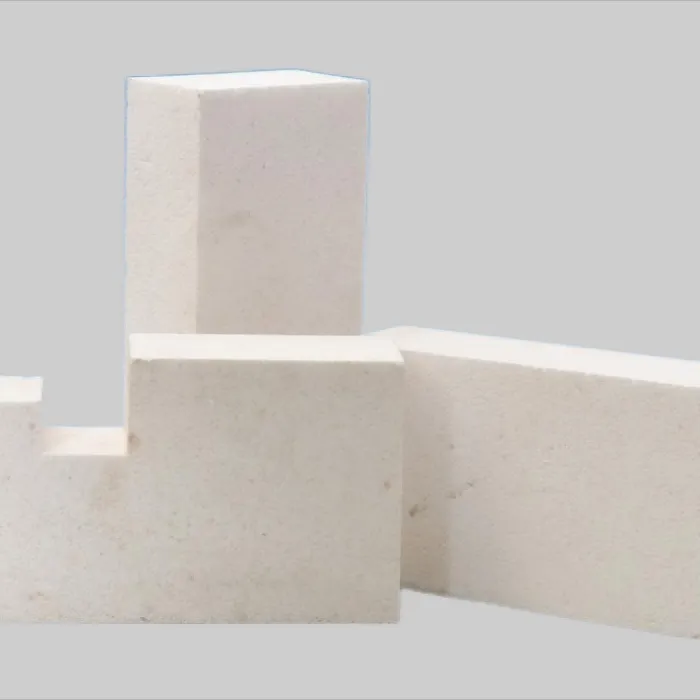
First off, let's talk a bit about what AZS blocks are. AZS stands for Alumina - Zirconia - Silica. These blocks, also known as AZS Brick, are high - performance refractory materials. They're super durable and can withstand extremely high temperatures, which makes them a popular choice in industries like glass manufacturing, steelmaking, and more. Another name you might hear is Zirconia Corundum Brick, which is essentially the same thing. And when we talk about Fused Cast Azs Block, we're referring to a type of AZS block made through a special fused - casting process that gives it even better properties.
Factors Affecting the Cost of AZS Blocks
There are several factors that go into calculating the cost of AZS blocks for a project.
1. Quality and Grade
Not all AZS blocks are created equal. Different grades of AZS blocks have different levels of alumina, zirconia, and silica content. Higher - grade blocks with more zirconia and better chemical and physical properties will cost more. For example, a block with a higher zirconia content will be more resistant to corrosion and erosion, which is great for applications where the block will be exposed to harsh chemicals or high - velocity flows. But you'll have to pay a premium for these high - quality blocks.
2. Size and Shape
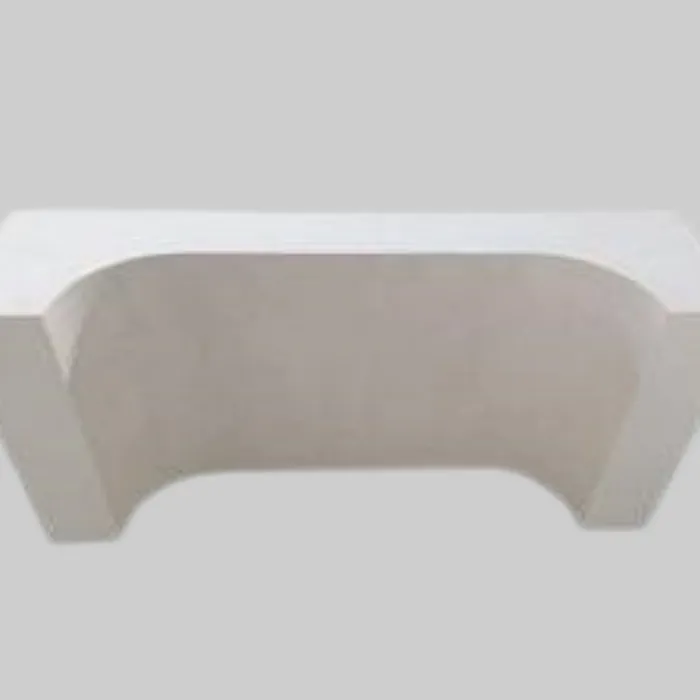
The size and shape of the AZS blocks you need can also have a big impact on the cost. Custom - sized or oddly - shaped blocks require more manufacturing time and effort. Standard sizes are usually more cost - effective because they can be mass - produced more easily. If your project calls for non - standard shapes, like curved or angled blocks, you're likely to see an increase in the price.
3. Quantity
Economies of scale come into play here. Generally, the more AZS blocks you order, the lower the per - unit cost. This is because the fixed costs of production, such as setting up the manufacturing equipment, are spread out over a larger number of units. So, if you're planning a large - scale project, it might be worth ordering all the blocks at once to get a better deal.
4. Shipping and Logistics
The cost of getting the AZS blocks from our factory to your project site can't be overlooked. Shipping costs depend on the distance, the shipping method (truck, rail, or sea), and the weight and volume of the blocks. If your project is in a remote location or overseas, shipping costs can add a significant amount to the overall cost.
Calculating the Cost Step - by - Step
Step 1: Determine Your Requirements
The first thing you need to do is figure out exactly what you need. This includes the grade of AZS blocks, the size and shape, and the quantity. You can work with your engineering team or a refractory expert to determine the right specifications for your project. For example, if you're building a glass furnace, you'll need to consider the temperature, the type of glass being produced, and the chemical environment inside the furnace.
Step 2: Get a Quote from the Supplier
Once you know your requirements, it's time to get a quote from a reliable AZS block supplier (like me!). Provide us with all the details, including the grade, size, shape, and quantity. We'll then calculate the cost based on our current pricing structure, taking into account the factors we discussed earlier.
Step 3: Calculate the Total Cost
The quote you receive will usually include the cost of the blocks themselves, but you also need to factor in shipping and any additional costs, such as taxes or handling fees. Add these all up to get the total cost of the AZS blocks for your project.
Let's say you need 100 standard - sized Fused Cast Azs Block of a certain grade. The per - unit cost from the supplier is $50. So the cost of the blocks alone is 100 x $50 = $5000. If the shipping cost is $500 and there's a 5% tax, the tax amount is $5000 x 0.05 = $250. The total cost would then be $5000 + $500+ $250 = $5750.
Tips to Reduce the Cost of AZS Blocks
Here are some tips to help you keep the cost down without sacrificing quality.
1. Optimize the Design
Work with your engineering team to optimize the design of your project. Try to use standard - sized blocks as much as possible. If you do need custom shapes, see if you can minimize the number of different shapes to reduce manufacturing complexity.
2. Plan Ahead
Order your AZS blocks well in advance. This gives the supplier enough time to plan the production and can sometimes result in better pricing. It also helps avoid any last - minute rush fees.
3. Compare Quotes
Don't just go with the first supplier you find. Get quotes from multiple suppliers and compare them. Make sure you're comparing apples to apples in terms of quality, grade, and service.
Conclusion
Calculating the cost of AZS blocks in a project involves considering several factors, including quality, size, quantity, and shipping. By understanding these factors and following the steps I've outlined, you can get an accurate estimate of the cost. And if you're looking for a reliable AZS block supplier, I'm here to help. Whether you're working on a small - scale project or a large industrial installation, I can provide you with high - quality AZS blocks at a competitive price. So, if you're interested in purchasing AZS blocks for your project, don't hesitate to reach out. Let's start a conversation about your specific needs and see how we can work together to make your project a success.
References
- Refractory Handbook: A comprehensive guide to refractory materials and their applications.
- Industry reports on refractory materials and market trends.