

Hey there! As a fire brick supplier, I've seen firsthand how these bad boys play a crucial role in various industries. Fire bricks, also known as refractory bricks, are specially designed to withstand high temperatures, making them a must - have in many industrial settings. Let's dive into the different applications of fire bricks in industry.
Steel Industry
The steel industry is one of the biggest consumers of fire bricks. In steelmaking furnaces, the temperature can reach up to 1600°C or even higher. That's where fire bricks come in. They line the inside of the furnaces, protecting the outer structure from the intense heat.
For example, in a basic oxygen furnace (BOF), which is used to convert molten pig iron into steel, fire bricks are used to line the vessel. These bricks need to be highly resistant to corrosion from the slag, which is a by - product of the steelmaking process. Magnesia Spinel Bricks are often a top choice here. They have excellent thermal shock resistance and can withstand the chemical attack from the slag. Check out Magnesia Spinel Bricks for more info on these amazing bricks.
In electric arc furnaces (EAF), which are also used for steel production, fire bricks are used to line the hearth, sidewalls, and roof. The high - energy arcs in these furnaces generate extreme heat, and the fire bricks help maintain the structural integrity of the furnace.
Glass Industry
The glass industry also relies heavily on fire bricks. Glass melting furnaces operate at temperatures between 1400°C and 1600°C. Fire bricks are used to line the walls, floors, and roofs of these furnaces.
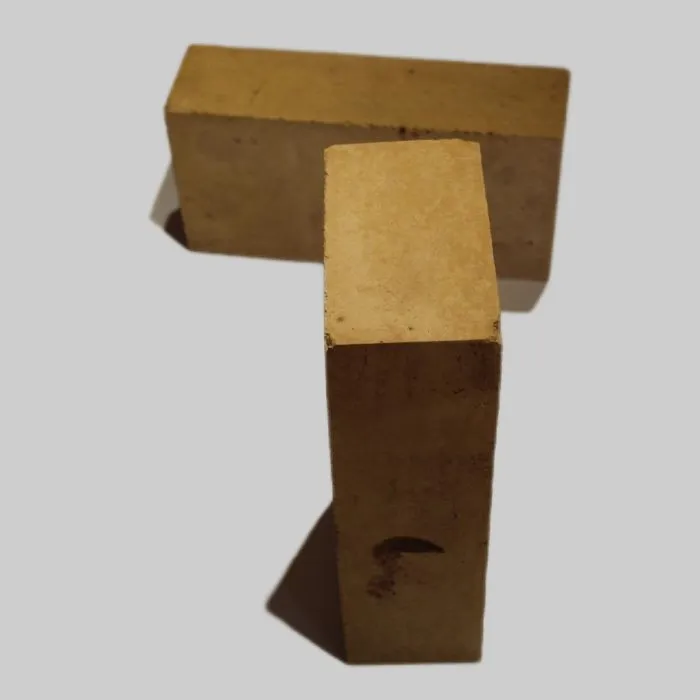
Corundum Brick is a popular option in the glass industry. It has high refractoriness and good chemical stability. The bricks can resist the corrosive action of molten glass and the alkaline vapors that are released during the melting process. If you're in the glass industry, you might want to take a look at Corundum Brick.
Moreover, the insulation provided by fire bricks in glass furnaces helps in reducing energy consumption. By keeping the heat inside the furnace, less energy is needed to maintain the required melting temperature, which in turn cuts down on production costs.
Cement Industry
In the cement industry, rotary kilns are the heart of the production process. These kilns operate at temperatures around 1450°C. Fire bricks are used to line the inside of the rotary kilns to protect the steel shell from the high temperatures and the abrasive action of the raw materials.
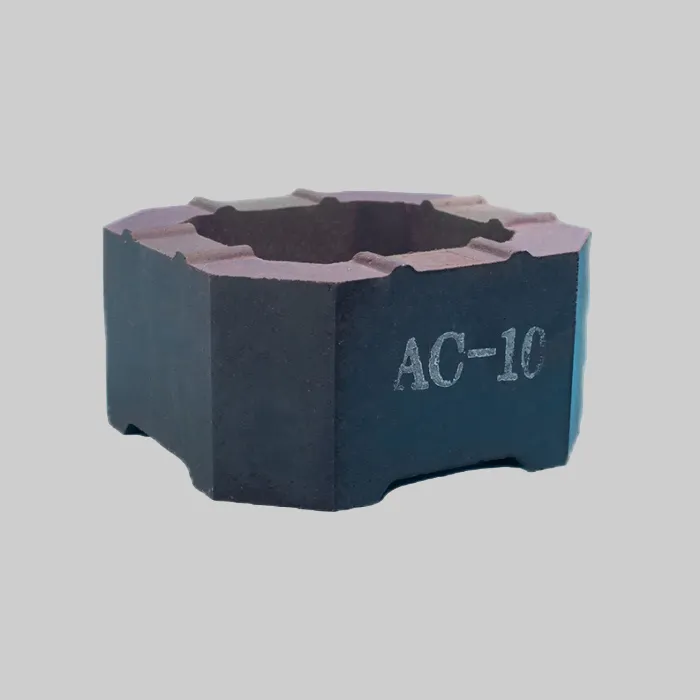
Chrome Corundum Brick is often used in the transition zones of the rotary kilns. These zones experience significant thermal stress and chemical attack. The Chrome Corundum Brick has good resistance to both thermal shock and chemical corrosion. You can learn more about Chrome Corundum Brick.
The use of fire bricks in cement kilns also helps in improving the efficiency of the kiln. By providing a stable lining, the heat transfer within the kiln is optimized, leading to better quality cement production.
Foundry Industry
Foundries are places where metals are melted and cast into various shapes. The melting process can involve high temperatures, depending on the type of metal. For example, aluminum melts at around 660°C, while iron melts at about 1538°C.
Fire bricks are used to line the crucibles, ladles, and furnaces in foundries. They protect these containers from the molten metal and the high - temperature environment. Different types of fire bricks are used based on the metal being melted. For instance, for non - ferrous metals like aluminum, less refractory bricks might be sufficient, but for ferrous metals like iron and steel, high - quality refractory fire bricks are a must.
Power Generation Industry
In power plants, especially those that use coal or biomass as fuel, fire bricks are used in boilers. Boilers need to maintain high temperatures to produce steam, which is then used to generate electricity.
The fire bricks line the combustion chambers of the boilers. They help in containing the heat and protecting the boiler structure from the high - temperature flames and the corrosive gases produced during combustion. This not only ensures the safety of the boiler but also improves its efficiency by reducing heat loss.
Other Industries
Fire bricks also find applications in other industries. In the ceramics industry, they are used in kilns for firing ceramic products. In the petrochemical industry, they are used in cracking furnaces and other high - temperature processing units.
If you're in any of these industries and are looking for high - quality fire bricks, you've come to the right place. As a fire brick supplier, I can offer you a wide range of fire bricks to suit your specific needs. Whether you need Magnesia Spinel Bricks for your steel furnace, Corundum Brick for your glass melting furnace, or Chrome Corundum Brick for your cement kiln, I've got you covered.
Don't hesitate to reach out if you want to discuss your requirements. We can have a chat about the best type of fire bricks for your application, and I can provide you with a quote. Let's work together to make your industrial processes more efficient and reliable.
References
- “Refractory Materials Handbook”
- Industry reports on steel, glass, cement, foundry, and power generation industries.