

Continuous casting is a pivotal process in the steelmaking industry, where molten steel is solidified into semi-finished billets, blooms, or slabs. During this process, the continuous casting machine (CCM) refractories play a crucial role in ensuring the smooth and efficient operation. One of the most significant challenges these refractories face is the erosion from molten slag. As a trusted CCM refractories supplier, we have in - depth knowledge and expertise in how our products resist this erosion.
Composition and Structure of CCM Refractories
The first line of defense against molten slag erosion lies in the composition and structure of CCM refractories. These refractories are typically made from high - quality raw materials such as alumina, magnesia, zirconia, and carbon. Each of these components contributes to the overall resistance of the refractory.
Alumina is a common ingredient in CCM refractories. It has high melting point and good chemical stability. Alumina - based refractories can form a protective layer on the surface when in contact with molten slag. This layer acts as a barrier, preventing the further penetration of slag into the refractory matrix. Magnesia, on the other hand, is known for its excellent resistance to basic slags. It can react with some components in the slag to form a dense and stable compound layer, which also helps to reduce erosion.
Zirconia is added to enhance the thermal shock resistance and mechanical strength of the refractories. When the refractory is exposed to the high - temperature molten slag, zirconia can undergo a phase transformation, which absorbs energy and reduces the propagation of cracks. Carbon is often incorporated into the refractory composition because of its low wettability by molten slag. It can prevent the slag from adhering to the refractory surface, thus reducing the chance of erosion.
The structure of the refractory also matters. A well - sintered and dense structure can minimize the porosity of the refractory. Slag penetration is a major cause of erosion, and a low - porosity structure can effectively slow down the penetration rate of molten slag. For example, our Ladle Shroud is designed with a carefully controlled structure to enhance its resistance to slag erosion.
Chemical Reactions between Refractories and Molten Slag
Chemical reactions between CCM refractories and molten slag are complex but crucial in understanding erosion resistance. When the refractory comes into contact with molten slag, various chemical reactions can occur at the interface.
In some cases, the refractory can react with acidic components in the slag. For instance, alumina in the refractory can react with silica in the slag to form aluminosilicate compounds. These compounds can either form a protective layer on the surface or be dissolved in the slag. If the reaction products are stable and form a dense layer, they can act as a barrier to further slag attack.
On the other hand, basic refractories like those containing magnesia can react with acidic oxides in the slag. The reaction between magnesia and silica can form forsterite (Mg₂SiO₄), which has a relatively high melting point and good chemical stability. This reaction can consume some of the aggressive components in the slag and reduce their erosive effect on the refractory.
However, not all chemical reactions are beneficial. Some reactions can lead to the formation of low - melting - point compounds, which can increase the fluidity of the slag and accelerate erosion. Our R & D team has conducted extensive research to understand these reactions and optimize the composition of our refractories to promote beneficial reactions and avoid harmful ones. For example, in our Well Blcok, we have carefully adjusted the chemical composition to ensure favorable chemical reactions with molten slag.
Physical Barriers and Protective Layers
Physical barriers and protective layers are important mechanisms for CCM refractories to resist slag erosion. As mentioned earlier, the formation of a protective layer on the refractory surface is a common phenomenon. This layer can be formed through chemical reactions or the deposition of slag components.
The protective layer can have different properties depending on its composition. A dense and stable layer can effectively prevent the direct contact between the refractory matrix and the molten slag, reducing the erosion rate. For example, a layer rich in spinel (MgAl₂O₄) can be formed on the surface of some refractories. Spinel has high hardness and chemical stability, which can act as a strong physical barrier.
In addition to the chemical - reaction - formed layers, some refractories are coated with special materials to create an additional physical barrier. These coatings can be made of materials with high melting points and low reactivity with molten slag. They can provide an extra layer of protection and extend the service life of the refractory. Our Tundish Shroud is often equipped with advanced coatings to enhance its resistance to slag erosion.
Thermal and Mechanical Properties
Thermal and mechanical properties also play a significant role in the resistance of CCM refractories to slag erosion. High - temperature stability is essential because the refractory has to withstand the extreme thermal conditions during continuous casting.
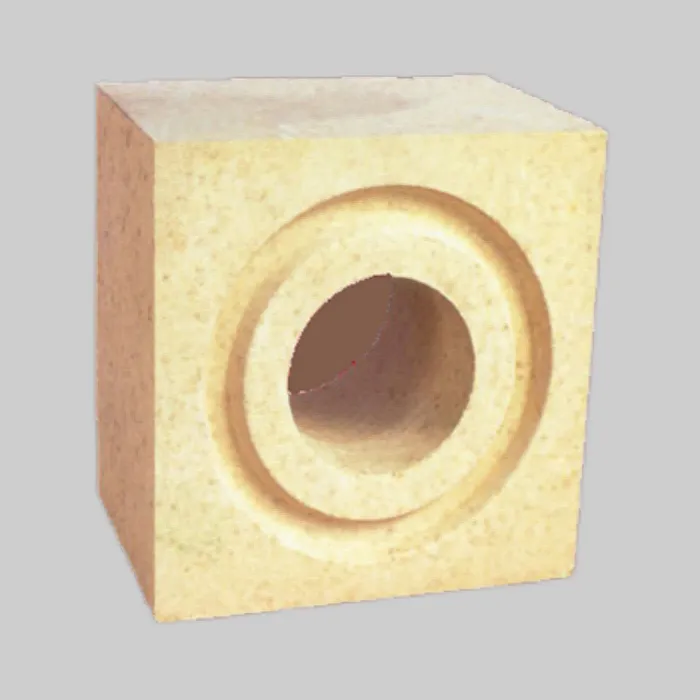
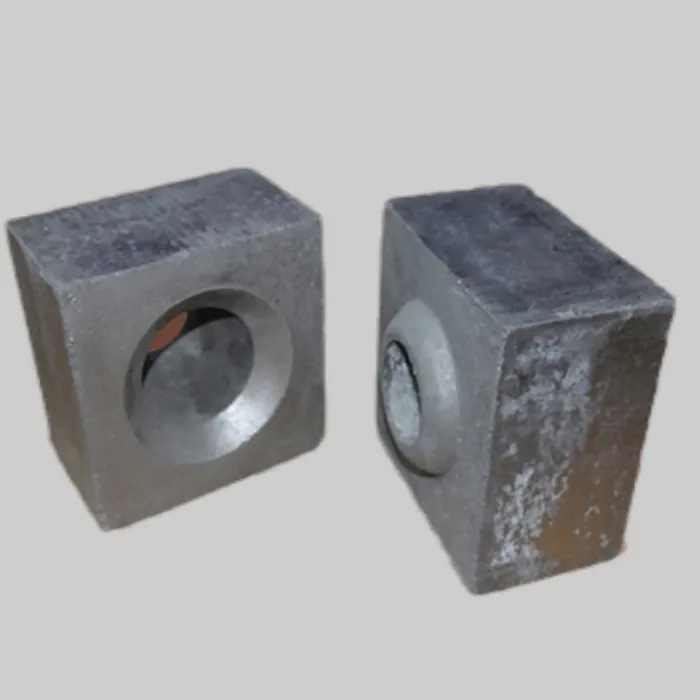
Good thermal shock resistance is crucial as the refractory is repeatedly exposed to high - temperature molten slag and then cooled down. Thermal shock can cause cracks in the refractory, which provide pathways for slag penetration. Our refractories are designed with high thermal shock resistance to minimize the formation of cracks.
Mechanical strength is another important factor. A refractory with high mechanical strength can better withstand the mechanical forces exerted by the flowing molten slag and the weight of the steel. It can also resist the impact of solid particles in the slag, which can cause abrasion.
Quality Control and Manufacturing Processes
As a CCM refractories supplier, we understand that quality control and manufacturing processes are vital in ensuring the performance of our products. Strict quality control measures are implemented at every stage of production.
We carefully select the raw materials to ensure their high quality and purity. The raw materials are then processed through advanced manufacturing techniques. For example, we use high - pressure molding to ensure a dense and uniform structure of the refractory. After molding, the refractories are sintered at precise temperatures and for specific durations to optimize their physical and chemical properties.
In - process quality inspections are carried out to detect any defects or non - conformities. We also conduct comprehensive testing on the finished products, including tests for chemical composition, physical properties, and erosion resistance. Only products that meet our strict quality standards are released to the market.
Conclusion
In conclusion, CCM refractories resist erosion from molten slag through a combination of factors, including their composition, structure, chemical reactions, physical barriers, thermal and mechanical properties, and strict quality control during manufacturing. As a leading CCM refractories supplier, we are committed to continuously improving our products to meet the ever - increasing demands of the steelmaking industry.
If you are in the market for high - quality CCM refractories that can effectively resist slag erosion, we invite you to contact us for a procurement discussion. Our team of experts is ready to provide you with detailed product information and customized solutions to meet your specific needs.
References
- Zhang, Y., & Guo, L. (2018). Study on the corrosion mechanism of refractories by molten slag in steelmaking. Journal of Refractories, 32(2), 123 - 131.
- Wang, X., & Li, S. (2020). Influence of chemical composition on the slag resistance of continuous casting refractories. International Journal of Refractory Metals & Hard Materials, 89, 105312.
- Liu, H., & Chen, Z. (2019). Thermal and mechanical properties of advanced CCM refractories. Transactions of Nonferrous Metals Society of China, 29(6), 1289 - 1298.