

In the vast landscape of metallurgy, fire bricks stand as unsung heroes, playing a pivotal role in ensuring the efficiency, safety, and longevity of various metallurgical processes. As a seasoned fire brick supplier, I have witnessed firsthand the diverse applications and indispensable nature of these remarkable materials. In this blog post, I will delve into the multifaceted applications of fire bricks in metallurgy, exploring their unique properties and how they contribute to the success of the industry.
Furnace Linings: The Heart of Metallurgical Operations
One of the most critical applications of fire bricks in metallurgy is as furnace linings. Furnaces are the epicenter of metallurgical processes, where raw materials are heated to extreme temperatures to extract and refine metals. Fire bricks are used to line the interior walls, floors, and roofs of these furnaces, providing a protective barrier against the intense heat, chemical reactions, and mechanical stresses generated during operation.
The high thermal resistance of fire bricks is crucial in maintaining the integrity of the furnace structure. They can withstand temperatures ranging from 1,000°C to over 2,000°C, depending on the type of fire brick used. This allows the furnace to operate at optimal temperatures without causing damage to the surrounding infrastructure. Additionally, fire bricks have low thermal conductivity, which helps to reduce heat loss from the furnace, improving energy efficiency and reducing operating costs.
Another important property of fire bricks is their chemical stability. Metallurgical processes often involve the use of corrosive chemicals and fluxes, which can react with the furnace lining and cause damage over time. Fire bricks are resistant to chemical attack, ensuring that the furnace lining remains intact and functional throughout the production process. This not only extends the lifespan of the furnace but also helps to maintain the quality of the metal being produced.
There are several types of fire bricks commonly used in furnace linings, each with its own unique properties and applications. Corundum Brick, for example, is a high-alumina fire brick that is known for its excellent thermal shock resistance and chemical stability. It is often used in high-temperature furnaces, such as those used in the production of steel and non-ferrous metals. Silicon Carbide Rubbing Brick is another popular choice for furnace linings, particularly in applications where high abrasion resistance is required. It is commonly used in the lining of blast furnaces, where it is exposed to the abrasive action of hot gases and molten metal.
Ladles and Tundishes: Transporting and Pouring Molten Metal
In addition to furnace linings, fire bricks are also used in the construction of ladles and tundishes, which are used to transport and pour molten metal during the metallurgical process. Ladles are large containers that are used to hold and transfer molten metal from the furnace to the casting mold, while tundishes are smaller containers that are used to control the flow of molten metal during the casting process.
Fire bricks are used to line the interior of ladles and tundishes, providing a protective barrier against the high temperatures and corrosive nature of molten metal. The lining helps to prevent the molten metal from coming into contact with the metal shell of the ladle or tundish, which can cause damage and reduce the lifespan of the equipment. Additionally, the fire brick lining helps to maintain the temperature of the molten metal, ensuring that it remains in a liquid state during transport and pouring.
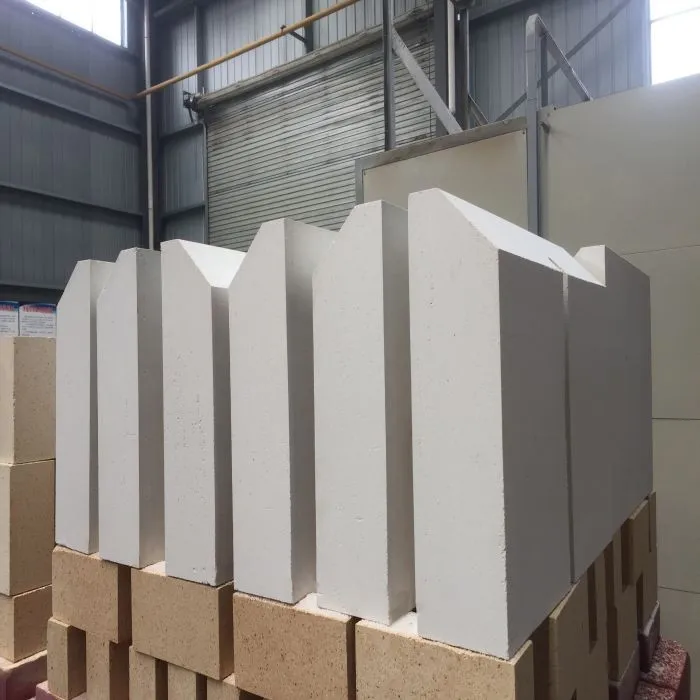
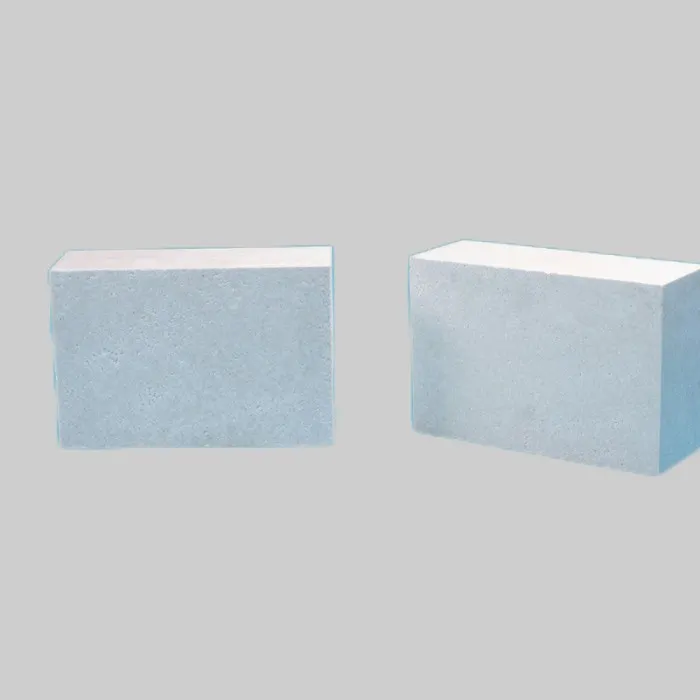
The properties of fire bricks used in ladles and tundishes are similar to those used in furnace linings, but they must also have good resistance to thermal shock and mechanical stress. This is because ladles and tundishes are subjected to rapid temperature changes and mechanical vibrations during the filling, transport, and pouring of molten metal. Chrome Brick is a popular choice for ladle and tundish linings, as it has excellent resistance to thermal shock, chemical attack, and mechanical stress.
Refining and Alloying: Enhancing the Quality of Metals
Fire bricks also play an important role in the refining and alloying of metals, which are processes used to improve the quality and properties of the final product. Refining involves the removal of impurities from the metal, while alloying involves the addition of other elements to the metal to enhance its strength, hardness, and other properties.
In the refining process, fire bricks are used in the construction of refining furnaces, where they are exposed to the high temperatures and corrosive chemicals used to remove impurities from the metal. The fire brick lining helps to protect the furnace structure from the corrosive action of the chemicals and ensures that the refining process is carried out efficiently and effectively.
In the alloying process, fire bricks are used in the construction of alloying furnaces, where they are used to melt and mix the different metals and alloys. The fire brick lining helps to maintain the temperature of the molten metal and ensures that the alloying process is carried out evenly and consistently.
Conclusion: The Indispensable Role of Fire Bricks in Metallurgy
In conclusion, fire bricks are an essential component of the metallurgical industry, playing a crucial role in the success of various metallurgical processes. From furnace linings to ladles and tundishes, and from refining to alloying, fire bricks provide the necessary protection, insulation, and chemical stability to ensure the efficiency, safety, and quality of metal production.
As a fire brick supplier, I am committed to providing high-quality fire bricks that meet the specific needs of the metallurgical industry. Our fire bricks are manufactured using the latest technology and highest quality materials, ensuring that they have the excellent properties and performance required for the most demanding applications. Whether you are looking for fire bricks for furnace linings, ladles, tundishes, or other metallurgical applications, we have the expertise and experience to provide you with the right solution.
If you are interested in learning more about our fire bricks or would like to discuss your specific requirements, please do not hesitate to contact us. Our team of experts is always available to answer your questions and provide you with the information you need to make an informed decision. We look forward to working with you to meet your fire brick needs and contribute to the success of your metallurgical operations.
References
- ASTM International. (2023). Standard Terminology Relating to Refractory Materials. ASTM C71-23.
- ASM International. (2023). Metals Handbook: Properties and Selection: Nonferrous Alloys and Pure Metals. 10th Edition.
- Perry, R. H., & Green, D. W. (2008). Perry's Chemical Engineers' Handbook. 8th Edition.