

Hey there! As a fire brick supplier, I've seen firsthand how these amazing bricks play a crucial role in the chemical industry. Fire bricks are not just ordinary bricks; they're specially designed to withstand extremely high temperatures and harsh chemical environments. In this blog, I'm gonna dive into the various applications of fire bricks in the chemical industry.
High - Temperature Reactions
One of the most common applications of fire bricks in the chemical industry is in high - temperature reaction vessels. Chemical reactions often require specific temperature conditions to proceed efficiently. For example, in the production of certain polymers, the reaction might need to occur at temperatures well above 1000 degrees Celsius. Fire bricks are used to line the insides of reactors, furnaces, and kilns where these reactions take place.
These bricks act as a protective barrier between the high - temperature reaction zone and the outer structure of the equipment. They prevent heat loss from the reaction area, which is not only energy - efficient but also helps maintain a stable temperature for the chemical reaction. Our Silicon Carbide Refractory Bricks are particularly great for these applications. They have excellent thermal conductivity and can handle very high temperatures without breaking down. This means that the reaction can happen smoothly, and the equipment's lifespan is also extended.
Acid and Alkali Resistance
The chemical industry deals with a wide range of corrosive substances, including acids and alkalis. Fire bricks are chosen for their ability to resist corrosion from these chemicals. For instance, in the production of fertilizers, which often involves the use of strong acids like sulfuric acid, the reaction vessels need to be lined with acid - resistant fire bricks.
Chrome Brick is a popular choice here. Chrome bricks have high resistance to acidic and basic slags, making them suitable for use in environments where they'll come into contact with corrosive chemicals. They can prevent the corrosion of the underlying metal structures of the equipment, which could otherwise lead to leaks and safety hazards. In addition, they maintain their structural integrity over time, even when exposed to repeated chemical attacks.
Insulation in Chemical Storage
Chemical storage facilities also benefit from the use of fire bricks. Many chemicals need to be stored at specific temperatures to maintain their stability. Fire bricks can be used to insulate storage tanks and containers. They help keep the internal temperature of the storage area consistent, protecting the chemicals from temperature fluctuations that could cause them to degrade or react.
Imagine a storage tank for a volatile chemical. If the tank isn't properly insulated, changes in the external temperature could cause the chemical to expand or contract, potentially leading to leaks or even explosions. By using fire bricks for insulation, we can create a more stable storage environment. Our fire bricks have low thermal conductivity, which means they're great at keeping the heat in or out, depending on the requirements of the stored chemicals.
Catalyst Support
In some chemical processes, catalysts are used to speed up reactions. Fire bricks can serve as a support structure for these catalysts. They provide a stable surface for the catalyst to be placed on and can withstand the high temperatures and chemical environments associated with the catalytic reactions.
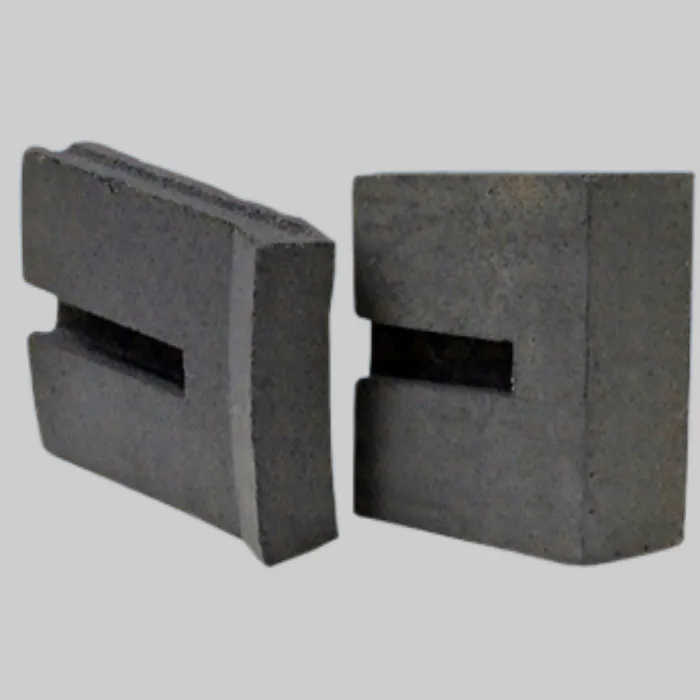
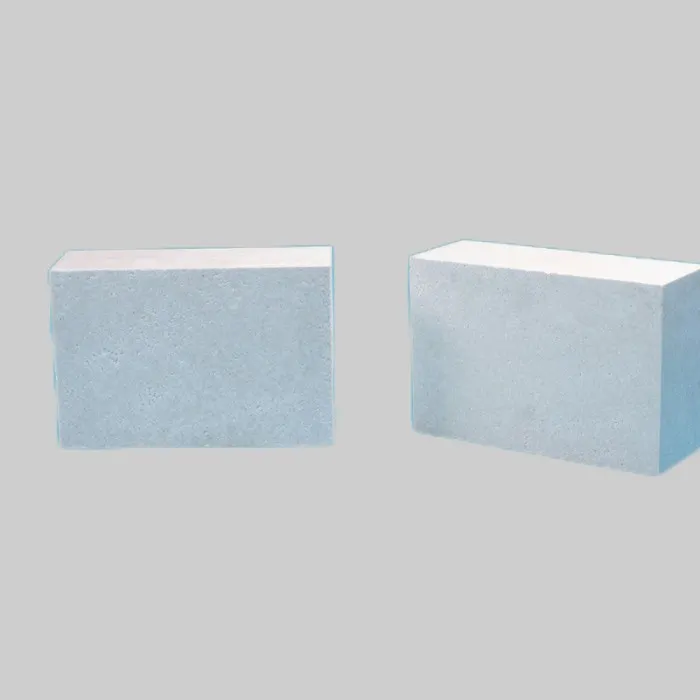
For example, in the petrochemical industry, where catalysts are used to break down large hydrocarbon molecules into smaller, more useful ones, fire bricks are used to hold the catalysts in place. The porous structure of some fire bricks allows for good gas and liquid flow through the catalyst bed, ensuring efficient contact between the reactants and the catalyst. This leads to higher reaction rates and better product yields.
Furnace Linings in Metal - Related Chemical Processes
In the chemical industry, there are also processes related to metals, such as metal smelting and refining. Fire bricks are used to line the furnaces in these processes. They can withstand the high temperatures generated during metal melting and the corrosive effects of metal slags.
During the smelting of copper or aluminum, for example, the furnaces reach extremely high temperatures. Fire bricks protect the furnace walls from damage and ensure that the heat is contained within the furnace. Our Silicon Carbide Rubbing Brick is a great option for these applications. It has high abrasion resistance, which is important as the molten metal and slag can cause significant wear on the furnace lining.
Waste Incineration in the Chemical Industry
Chemical plants often generate waste that needs to be disposed of safely. Waste incineration is a common method, and fire bricks play a key role here. They line the incinerators, allowing for the efficient burning of chemical waste at high temperatures.
The high - temperature resistance of fire bricks ensures that the incinerator can operate at the necessary temperatures to completely burn the waste, reducing it to ash and minimizing the release of harmful pollutants. At the same time, their chemical resistance protects the incinerator structure from the corrosive by - products of the incineration process.
Conclusion
As you can see, fire bricks have a wide range of applications in the chemical industry. From high - temperature reactions to waste incineration, they're essential for ensuring the safety, efficiency, and longevity of chemical processes. Whether it's the acid - resistant properties of chrome bricks, the high - temperature performance of silicon carbide refractory bricks, or the insulation capabilities of our general fire bricks, we've got the right product for your specific needs.
If you're in the chemical industry and looking for high - quality fire bricks, don't hesitate to reach out. We're here to provide you with the best solutions for your applications. Let's have a chat about your requirements and see how our fire bricks can make a difference in your operations.
References
- "Handbook of Refractory Materials"
- "Chemical Process Engineering Principles"