

As a seasoned supplier of castable fire bricks, I've witnessed firsthand the complexities and challenges that come with integrating these materials with other refractory options. Compatibility issues can significantly impact the performance, longevity, and safety of refractory linings in various industrial applications. In this blog post, I'll delve into the key compatibility issues to consider when using castable fire bricks alongside other refractory materials.
Thermal Expansion Mismatch
One of the most critical compatibility issues is the difference in thermal expansion coefficients between castable fire bricks and other refractory materials. When exposed to high temperatures, materials expand at different rates. If the expansion rates are not properly matched, it can lead to stress buildup, cracking, and ultimately, failure of the refractory lining.
For example, some dense refractory bricks have a relatively low thermal expansion coefficient, while castable fire bricks may have a higher one. When these materials are used together in a furnace lining, the differential expansion can cause the castable to crack or spall, compromising the integrity of the lining. To mitigate this issue, it's essential to select materials with similar thermal expansion characteristics or use expansion joints to accommodate the differential movement.
Chemical Reactivity
Chemical reactions between castable fire bricks and other refractory materials can also pose significant compatibility challenges. Different refractory materials have varying chemical compositions, and under certain conditions, they can react with each other, leading to the formation of new compounds that may have different physical and chemical properties.
For instance, some acidic refractory materials may react with basic castable fire bricks, resulting in the formation of low-melting-point compounds that can weaken the lining and reduce its resistance to corrosion. Similarly, the presence of certain impurities or additives in one material can catalyze chemical reactions with another, accelerating the degradation of the refractory lining.
To avoid chemical compatibility issues, it's crucial to understand the chemical properties of all the materials involved and ensure that they are chemically compatible. This may involve conducting chemical analysis and compatibility tests before installing the refractory lining.
Mechanical Compatibility
In addition to thermal and chemical compatibility, mechanical compatibility is also an important consideration. The mechanical properties of castable fire bricks, such as strength, hardness, and abrasion resistance, need to be compatible with those of other refractory materials in the lining.
For example, if a castable fire brick is used in conjunction with a more brittle refractory material, the differential mechanical behavior can lead to cracking or spalling under mechanical stress. Similarly, the installation method and the way the materials are joined together can also affect their mechanical compatibility.
To ensure mechanical compatibility, it's important to select materials with similar mechanical properties and use appropriate installation techniques. This may involve using compatible bonding agents, ensuring proper joint design, and providing adequate support and reinforcement for the lining.
Installation and Drying Compatibility
The installation and drying process of castable fire bricks can also have a significant impact on their compatibility with other refractory materials. Castable fire bricks typically require a specific installation and drying procedure to achieve their optimal performance.
If the installation and drying process is not properly coordinated with the other refractory materials in the lining, it can lead to differential shrinkage, cracking, or other issues. For example, if a castable fire brick is installed too close to a pre-fired refractory brick without allowing sufficient time for drying and curing, the moisture from the castable can penetrate the pre-fired brick, causing it to crack or spall.
To ensure installation and drying compatibility, it's important to follow the manufacturer's recommendations for both the castable fire bricks and the other refractory materials. This may involve allowing sufficient time for drying and curing, controlling the temperature and humidity during the installation process, and using appropriate insulation and protection measures.
Case Studies
To illustrate the importance of compatibility issues when using castable fire bricks with other refractory materials, let's consider a few case studies.
In one case, a steel plant was experiencing frequent failures in its furnace lining. The lining consisted of a combination of castable fire bricks and high-alumina refractory bricks. After conducting a detailed analysis, it was found that the thermal expansion mismatch between the two materials was causing significant stress buildup, leading to cracking and spalling of the lining. By replacing the high-alumina refractory bricks with a material that had a more similar thermal expansion coefficient to the castable fire bricks, the plant was able to significantly improve the performance and longevity of the furnace lining.
In another case, a chemical plant was using a castable fire brick lining in a reactor vessel. The lining was in contact with a highly corrosive chemical environment. After a few months of operation, the lining started to show signs of degradation. Upon investigation, it was discovered that the chemical reactivity between the castable fire brick and the corrosive chemicals was causing the formation of low-melting-point compounds, which were weakening the lining. By replacing the castable fire brick with a more chemically resistant material, the plant was able to prevent further degradation of the lining and improve the safety and efficiency of the reactor vessel.
Conclusion
In conclusion, compatibility issues are a critical consideration when using castable fire bricks with other refractory materials. Thermal expansion mismatch, chemical reactivity, mechanical compatibility, and installation and drying compatibility are all important factors that need to be carefully evaluated to ensure the optimal performance, longevity, and safety of the refractory lining.
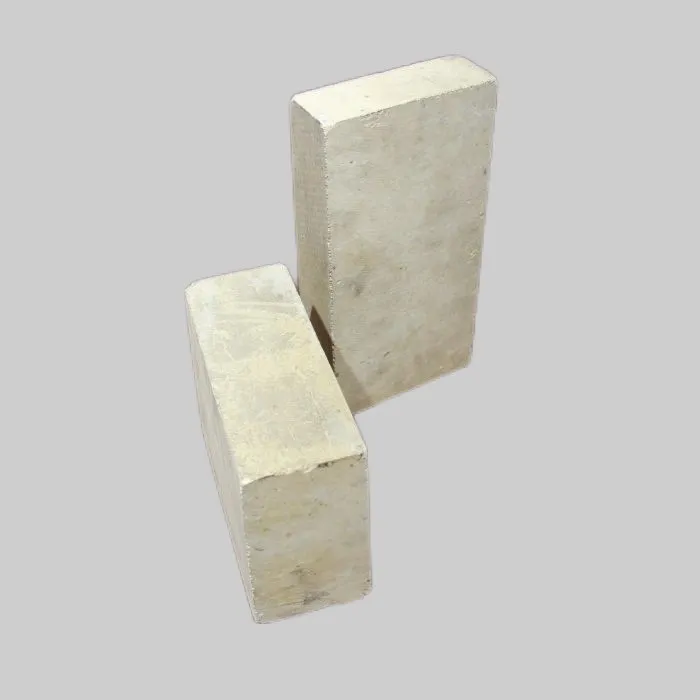
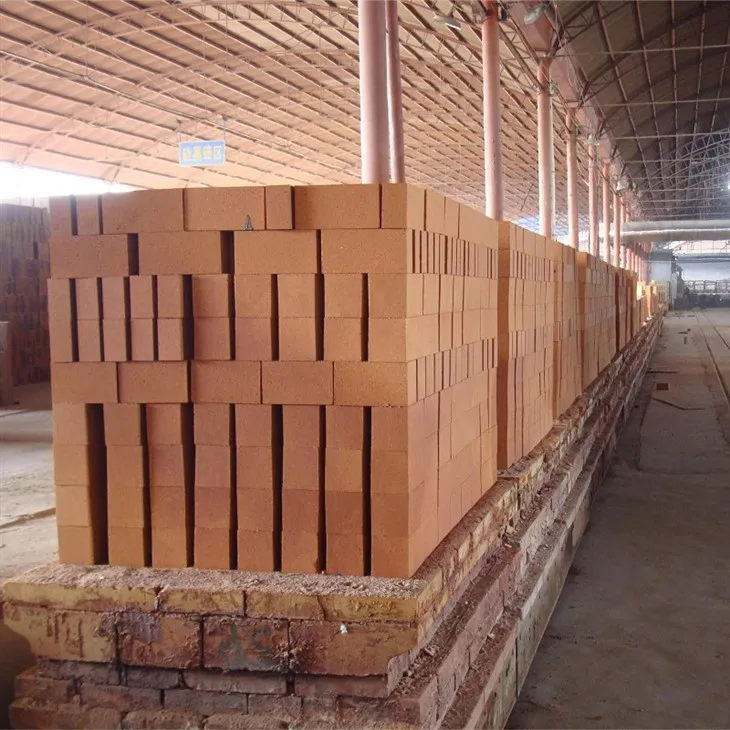
As a castable fire brick supplier, I understand the importance of providing our customers with high-quality products and expert advice on compatibility issues. We offer a wide range of High Heat Resistant Bricks that are designed to be compatible with various other refractory materials. Our Fire Bricks And Fire Cement are formulated to provide excellent chemical and thermal resistance, while our Fire Bricks with Holes offer unique advantages in terms of ventilation and heat transfer.
If you're facing compatibility issues or need help selecting the right refractory materials for your application, please don't hesitate to contact us. Our team of experts is always ready to assist you in finding the best solutions for your specific needs. We look forward to working with you to ensure the success of your refractory projects.
References
- ASTM International. (20XX). Standard Test Methods for Thermal Expansion of Refractory Materials.
- Perry, R. H., & Green, D. W. (Eds.). (20XX). Perry's Chemical Engineers' Handbook.
- Schack, C. V. (20XX). Refractories Handbook.