

Alumina is a versatile and widely used material in various industries due to its excellent physical and chemical properties. Among different types of alumina products, bubble alumina and fused alumina stand out, each with its own unique characteristics and applications. As a bubble alumina supplier, I am here to delve into the differences between these two types of alumina, which can help you make more informed decisions when choosing the right material for your specific needs.
Manufacturing Process
The manufacturing processes of bubble alumina and fused alumina are fundamentally different, which is the root cause of their distinct properties.
Bubble alumina is produced through a special process that involves the pyrolysis of aluminum hydroxide. During this process, aluminum hydroxide is heated to a high temperature, causing it to decompose and form porous, spherical particles. The unique structure of bubble alumina is characterized by a large number of interconnected pores, which give it a low bulk density and high porosity. This process allows for precise control over the pore size and distribution, resulting in a material with consistent and predictable properties. For more information about bubble alumina, you can visit Bubble Alumina.
On the other hand, fused alumina is manufactured by melting high - purity aluminum oxide in an electric arc furnace at extremely high temperatures, typically around 2000 - 2200°C. The molten alumina is then cooled and solidified, forming dense, crystalline particles. This high - temperature melting process eliminates impurities and creates a material with a very high degree of crystallinity and density.
Physical Properties
Density
One of the most obvious differences between bubble alumina and fused alumina lies in their density. Bubble alumina has a relatively low bulk density, usually ranging from 0.6 - 1.2 g/cm³, due to its porous structure. This low density makes it an ideal choice for applications where weight reduction is important, such as in the production of lightweight refractory materials.
In contrast, fused alumina has a much higher density, typically around 3.9 - 4.0 g/cm³. Its dense structure gives it excellent mechanical strength and wear resistance, making it suitable for applications that require high - performance materials, such as abrasives and cutting tools.
Porosity
Bubble alumina is highly porous, with a porosity that can reach up to 70%. The pores in bubble alumina are not only numerous but also interconnected, which provides a large surface area. This high porosity gives bubble alumina good insulation properties, as the air trapped in the pores acts as an insulator.
Fused alumina, however, has very low porosity. The high - temperature melting and solidification process results in a dense, non - porous structure. This lack of porosity contributes to its high strength and resistance to chemical attack.
Particle Shape
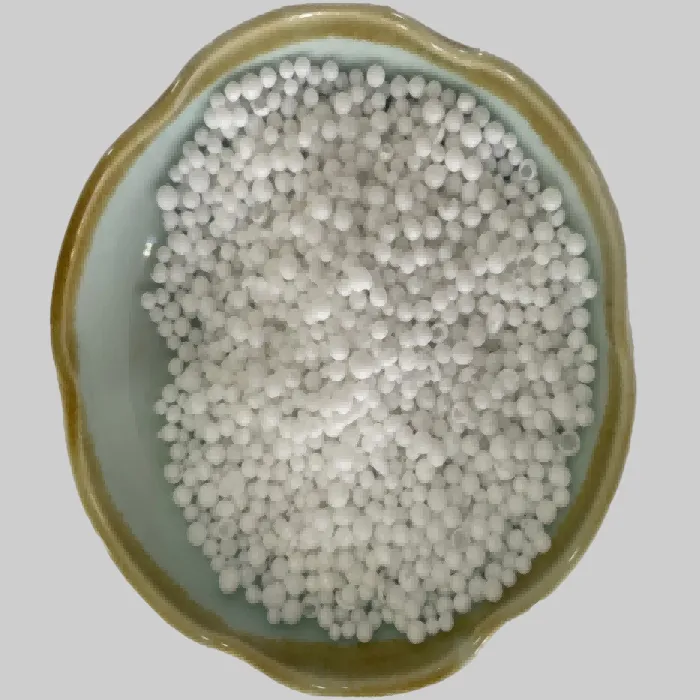
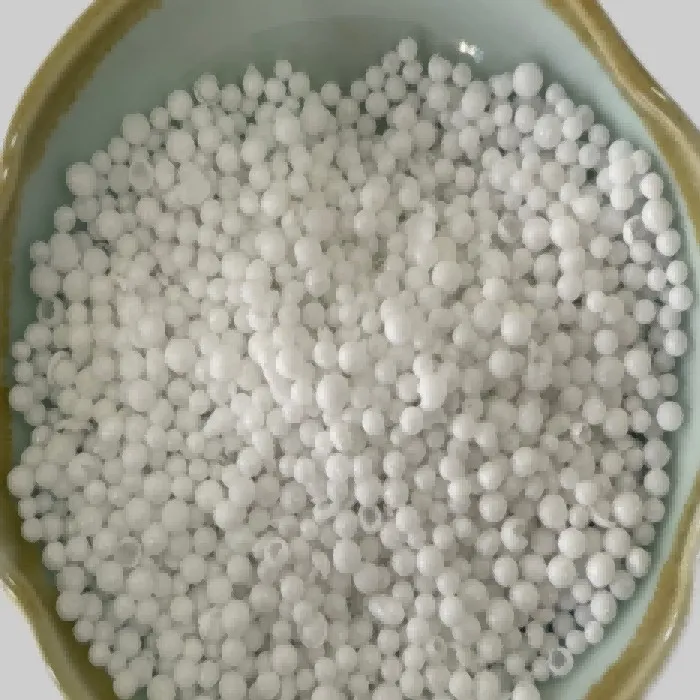
The particle shape of these two types of alumina also differs significantly. Bubble alumina particles are generally spherical in shape, which is a result of the pyrolysis process. The spherical shape allows for good flowability, which is beneficial in applications such as powder metallurgy and casting.
Fused alumina particles, on the other hand, have irregular shapes. The melting and solidification process leads to the formation of angular and jagged particles, which are well - suited for abrasive applications as they can provide a sharp cutting edge.
Chemical Properties
Purity
Both bubble alumina and fused alumina can be produced with high purity levels. However, fused alumina often has a higher purity because of the high - temperature melting process, which can effectively remove impurities. High - purity fused alumina can have an Al₂O₃ content of over 99%.
Bubble alumina also offers high purity options, but the purity may be slightly lower in some cases due to the nature of the pyrolysis process. Nevertheless, it still meets the requirements of many applications where high - purity alumina is needed.
Chemical Stability
Both materials exhibit excellent chemical stability. Fused alumina, with its dense structure, is highly resistant to chemical attack from most acids, alkalis, and other corrosive substances. This makes it suitable for use in harsh chemical environments, such as in chemical reactors and storage tanks.
Bubble alumina also has good chemical stability, although its porous structure may make it more susceptible to chemical penetration in some cases. However, proper surface treatment can enhance its chemical resistance, and it is still widely used in applications where chemical stability is required, such as in the production of ceramic membranes.
Thermal Properties
Thermal Conductivity
Thermal conductivity is an important property in many applications. Bubble alumina has a relatively low thermal conductivity due to its high porosity. The air trapped in the pores acts as an insulator, reducing the heat transfer through the material. This makes it an excellent choice for thermal insulation applications, such as in furnace linings and insulation boards.
Fused alumina, on the other hand, has a high thermal conductivity. Its dense, crystalline structure allows for efficient heat transfer, making it suitable for applications where heat dissipation is required, such as in electronic substrates.
Thermal Expansion
Bubble alumina has a relatively low coefficient of thermal expansion. This means that it undergoes less dimensional change when exposed to temperature variations. This property is beneficial in applications where dimensional stability is crucial, such as in precision ceramic components.
Fused alumina also has a low thermal expansion coefficient, but it may vary depending on the specific type of fused alumina (e.g., white fused alumina or brown fused alumina). In general, its thermal expansion characteristics make it suitable for high - temperature applications where it can maintain its shape and integrity under thermal stress.
Applications
Bubble Alumina Applications
- Refractory Materials: Bubble alumina is widely used in the production of lightweight refractory bricks, castables, and insulation boards. Its low density and high insulation properties help to reduce energy consumption in furnaces and kilns.
- Ceramics: It can be used as a raw material in the production of advanced ceramics, such as ceramic filters and membranes. The high porosity of bubble alumina allows for the filtration of liquids and gases.
- Catalyst Supports: The large surface area of bubble alumina makes it an ideal support material for catalysts. The active catalytic components can be deposited on the surface of the porous particles, providing a large contact area for chemical reactions.
Fused Alumina Applications
- Abrasives: Fused alumina is the most commonly used abrasive material in the industry. Its high hardness, wear resistance, and sharp cutting edges make it suitable for grinding, polishing, and cutting various materials, including metals, ceramics, and glass.
- Refractory Linings: In high - temperature industrial furnaces, fused alumina is used to make refractory linings that can withstand extreme heat and mechanical stress.
- Electrical Insulators: Due to its high purity and good electrical insulation properties, fused alumina is used in the production of electrical insulators for high - voltage applications.
Conclusion
In summary, bubble alumina and fused alumina have distinct differences in their manufacturing processes, physical properties, chemical properties, thermal properties, and applications. Bubble alumina, with its low density, high porosity, and good insulation properties, is well - suited for lightweight and insulation applications. Fused alumina, on the other hand, with its high density, low porosity, and excellent mechanical and thermal properties, is ideal for high - performance applications such as abrasives and high - temperature refractories.
As a bubble alumina supplier, I understand the unique requirements of different industries and can provide high - quality bubble alumina products tailored to your specific needs. If you are interested in our bubble alumina products or have any questions about the differences between bubble alumina and fused alumina, please feel free to contact us for further discussion and procurement negotiations. We are committed to providing you with the best solutions and products.
If you are also interested in other raw materials, you can check out Synthetic Cordierite, which is another excellent material with unique properties and applications.
References
- "Alumina: Properties, Applications, and Technology" by K. S. Mazdiyasni
- "Refractories Handbook" edited by R. D. Peaslee
- Technical literature from leading alumina manufacturers