

Hey there! As a supplier of CCM (Continuous Casting Machine) refractories, I know how crucial it is to ensure the quality of these materials before they're put to use. In this blog, I'll walk you through the inspection methods for CCM refractories. Let's dive in!
Visual Inspection
The first step in checking CCM refractories is a simple visual inspection. You'd be surprised how much you can tell just by looking at the material. Start by checking for any obvious cracks or chips on the surface. Cracks can be a big problem as they can lead to the failure of the refractory during use. Even small cracks can grow under the high - temperature and high - pressure conditions in a continuous casting process.
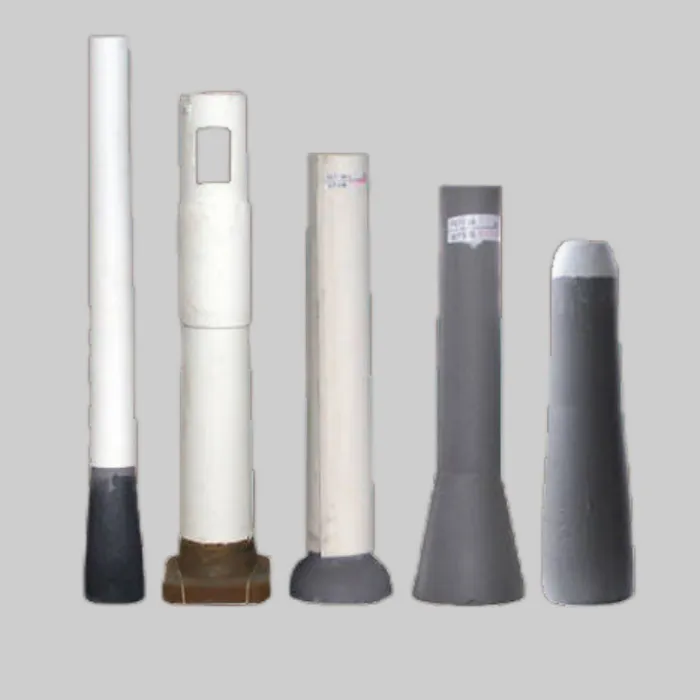
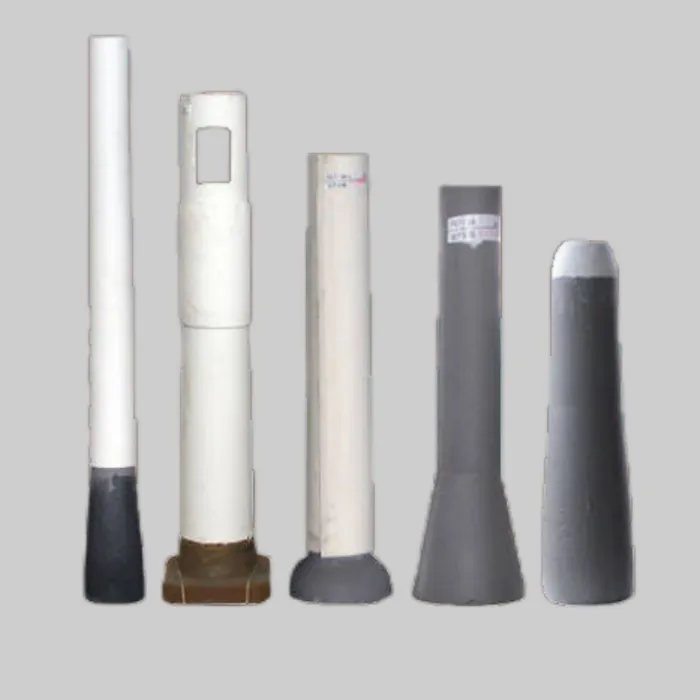
Look at the shape of the refractory as well. It should match the specifications exactly. Any deformation can cause issues with the installation and performance. For example, if a Sub Entry Nozzle is not the right shape, it might not fit properly in the casting machine, leading to uneven flow of molten metal.
Also, check for any signs of discoloration. Unusual colors can indicate that the refractory has been exposed to improper storage conditions or has some internal defects. For instance, a yellowish or brownish tint might suggest oxidation or the presence of impurities.
Dimensional Inspection
Accurate dimensions are key for CCM refractories. You need to measure the length, width, height, and diameter (if applicable) of the refractory. Use precise measuring tools like calipers and micrometers. Compare the measured values with the design specifications.
Even a small deviation in dimensions can have a significant impact. For a Subentry Nozzle, an incorrect diameter can affect the flow rate of the molten metal. If the diameter is too small, it can cause blockages, while a too - large diameter might lead to excessive flow and splashing.
Make sure to measure at multiple points to account for any possible irregularities. For example, when measuring a cylindrical refractory, measure the diameter at the top, middle, and bottom to ensure it's consistent throughout.
Density Testing
Density is an important property of CCM refractories. A proper density indicates the right composition and structure of the material. You can use the Archimedes' principle to measure the density.
First, weigh the dry refractory in air. Then, immerse it in a liquid (usually water) and weigh it again. By using the difference in weights and the density of the liquid, you can calculate the density of the refractory.
If the density is lower than the specified value, it might mean that the refractory has more pores or voids. This can reduce its strength and resistance to thermal shock. On the other hand, a higher - than - normal density could indicate that the material is over - compacted, which might also affect its performance.
Porosity Testing
Porosity is closely related to density and has a big impact on the performance of CCM refractories. There are a few ways to test porosity. One common method is the water absorption test.
Weigh the dry refractory, then immerse it in water for a specific period (usually 24 hours). After that, remove the excess water from the surface and weigh it again. The increase in weight is due to the water absorbed by the pores. Calculate the percentage of water absorption, which gives you an idea of the porosity.
High porosity can be a problem as it allows molten metal and slag to penetrate the refractory, leading to corrosion and erosion. It can also reduce the refractory's thermal insulation properties.
Chemical Analysis
Chemical analysis is essential to ensure that the CCM refractory has the right composition. You can use techniques like X - ray fluorescence (XRF) or wet chemical analysis.
XRF is a non - destructive method that can quickly determine the elemental composition of the refractory. It can detect the presence of major and minor elements. For example, it can tell you the amount of alumina, silica, and other important components.
Wet chemical analysis is more accurate but also more time - consuming. It involves dissolving the refractory in acids and then analyzing the solution to determine the exact chemical composition.
The right chemical composition is crucial for the refractory's performance. For example, the amount of alumina can affect its refractoriness and strength, while the presence of impurities can reduce its corrosion resistance.
Thermal Conductivity Testing
Thermal conductivity is an important property for CCM refractories. It determines how well the refractory can transfer heat. You can use a thermal conductivity meter to measure this property.
A refractory with the right thermal conductivity helps in maintaining a stable temperature during the continuous casting process. If the thermal conductivity is too high, it can cause excessive heat loss, which can affect the quality of the cast product. On the other hand, a too - low thermal conductivity can lead to uneven heating and cooling, causing thermal stress and potential cracking.
Mechanical Strength Testing
Mechanical strength is vital for CCM refractories as they need to withstand the mechanical forces during the casting process. You can perform tests like compressive strength testing and flexural strength testing.
Compressive strength testing involves applying a compressive load to the refractory until it fails. The maximum load it can withstand before failure is its compressive strength. A high compressive strength is important as the refractory may be subjected to high pressures from the molten metal and the casting machine.
Flexural strength testing measures the refractory's ability to resist bending. It's especially important for refractories that are subjected to bending forces, such as Ladle Shroud.
Thermal Shock Resistance Testing
CCM refractories are exposed to rapid temperature changes during the casting process. So, they need to have good thermal shock resistance. One way to test this is by subjecting the refractory to repeated heating and cooling cycles.
Heat the refractory to a high temperature (usually close to the operating temperature) and then quickly cool it down. Repeat this process several times and check for any signs of cracking or spalling.
A refractory with good thermal shock resistance can withstand these rapid temperature changes without significant damage, ensuring a longer service life.
Conclusion
Inspecting CCM refractories before use is a multi - step process that involves visual, dimensional, physical, chemical, and mechanical tests. By performing these inspections, you can ensure that the refractories meet the required quality standards and will perform well during the continuous casting process.
If you're in the market for high - quality CCM refractories, we're here to help. We have a wide range of products that undergo strict quality control measures. Contact us for more information and to start a procurement discussion. We're confident that our refractories will meet your needs and exceed your expectations.
References
- ASTM International standards for refractory testing
- Textbooks on refractory materials and their properties
- Industry research papers on continuous casting and refractory performance