
In the dynamic landscape of metallurgy and continuous casting processes, subentry nozzles play a pivotal role in ensuring the efficient and high - quality transfer of molten metal from the tundish to the mold. As a dedicated subentry nozzle supplier, we are constantly at the forefront of technological advancements in this field. This blog aims to explore the latest developments that are revolutionizing the performance and functionality of subentry nozzles.
1. Material Innovations
One of the most significant areas of advancement in subentry nozzles lies in material science. Traditional materials used for subentry nozzles, such as alumina - graphite composites, have served the industry well for many years. However, the ever - increasing demands for higher casting speeds, longer service lives, and better steel quality have spurred the development of new materials.
Nanocomposite Materials
Nanocomposite materials are emerging as a game - changer in subentry nozzle technology. By incorporating nanoparticles into the base matrix of the nozzle material, we can enhance its mechanical properties, thermal shock resistance, and corrosion resistance. For example, adding nano - sized zirconia particles to alumina - graphite composites can significantly improve the nozzle's strength and toughness. These nanoparticles act as reinforcement agents, preventing crack propagation and increasing the overall durability of the nozzle. In high - speed continuous casting operations, where the nozzle is subjected to extreme thermal and mechanical stresses, nanocomposite nozzles can maintain their integrity for longer periods, reducing the frequency of nozzle replacements and improving productivity.
Advanced Refractory Coatings
Another material - related advancement is the use of advanced refractory coatings. These coatings are applied to the inner surface of the subentry nozzle to protect it from the corrosive effects of molten metal and to improve the flow characteristics of the metal. For instance, coatings based on rare - earth oxides can form a protective layer that resists the adhesion of non - metallic inclusions and prevents the formation of deposits inside the nozzle. This not only extends the nozzle's service life but also ensures a more consistent and unobstructed flow of molten metal, leading to better - quality cast products.
2. Design Optimization
The design of subentry nozzles has also undergone significant improvements in recent years. Engineers are using advanced computational fluid dynamics (CFD) simulations and finite element analysis (FEA) to optimize the shape and internal structure of the nozzles for better performance.
Flow - Guiding Structures
Modern subentry nozzles are often equipped with flow - guiding structures inside the nozzle body. These structures are designed to control the flow pattern of the molten metal as it exits the nozzle and enters the mold. For example, the use of baffles or swirl - generating vanes can create a more uniform and stable flow of metal, reducing turbulence and minimizing the formation of surface defects in the cast product. CFD simulations are used to fine - tune the design of these flow - guiding structures, ensuring that they achieve the desired flow characteristics under different casting conditions.
Multi - Outlet Designs
Multi - outlet subentry nozzles are becoming increasingly popular in continuous casting applications. These nozzles have multiple ports or outlets that distribute the molten metal more evenly across the width of the mold. This design helps to reduce the temperature gradient in the mold, resulting in more uniform solidification of the metal and better - quality cast slabs or billets. Additionally, multi - outlet nozzles can increase the casting speed by allowing a larger volume of molten metal to be delivered to the mold simultaneously.
3. Integration with Other Casting Components
Subentry nozzles are not standalone components; they are part of a larger continuous casting system. Recent technological advancements have focused on improving the integration of subentry nozzles with other casting components, such as monolithic stoppers, well blocks, and ladle shrouds.
Compatibility with Monolithic Stopper
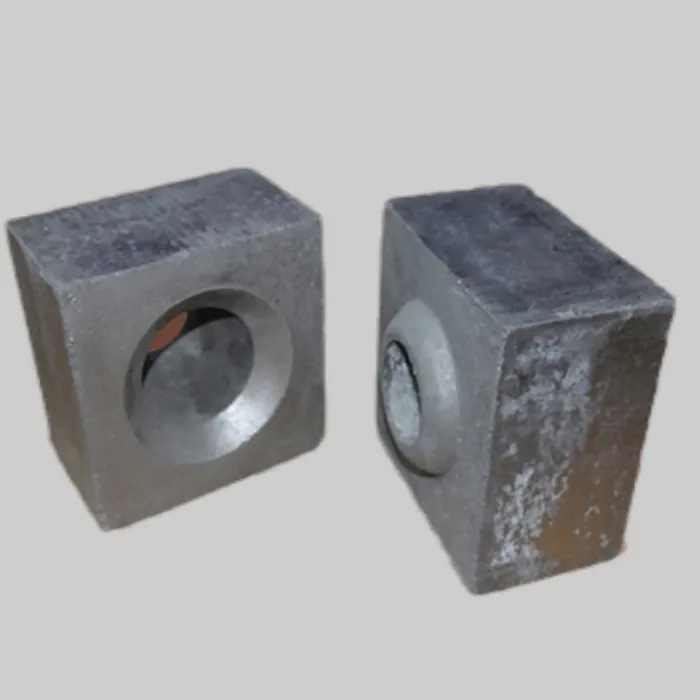
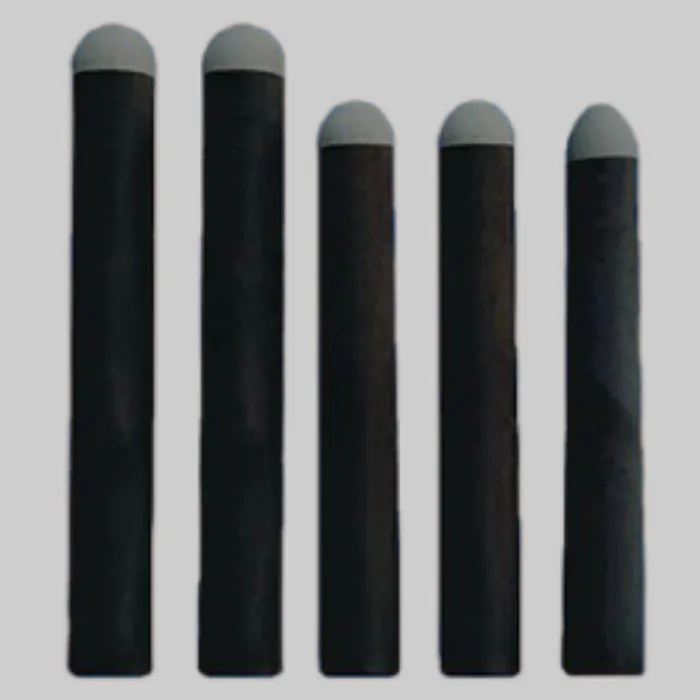
Monolithic stoppers are used to control the flow of molten metal from the tundish to the subentry nozzle. The latest subentry nozzles are designed to be highly compatible with monolithic stoppers, ensuring a precise and reliable flow control. The interface between the stopper and the nozzle is engineered to minimize metal leakage and to provide a smooth transition of the metal flow. This compatibility is crucial for maintaining the stability of the casting process and for achieving consistent product quality.
Synergy with Well Block
Well blocks are located at the bottom of the tundish and serve as the connection point between the tundish and the subentry nozzle. Advanced subentry nozzles are designed to work in synergy with well blocks to optimize the flow of molten metal. The shape and dimensions of the nozzle and the well block are carefully coordinated to ensure a seamless transfer of metal, reducing the risk of clogging and improving the overall efficiency of the casting process.
Coordination with Ladle Shroud
Ladle shrouds are used to protect the molten metal as it is transferred from the ladle to the tundish. The subentry nozzle must be coordinated with the ladle shroud to prevent the entrainment of air and non - metallic inclusions during the metal transfer process. Newer subentry nozzles are designed to work in harmony with ladle shrouds, providing a continuous and protected path for the molten metal from the ladle to the mold.
4. Smart Monitoring and Control Systems
The advent of Industry 4.0 has also made its mark on subentry nozzle technology. Smart monitoring and control systems are being developed to enhance the performance and reliability of subentry nozzles during the casting process.
Sensor - Based Monitoring
Subentry nozzles can now be equipped with sensors to monitor various parameters, such as temperature, pressure, and flow rate. These sensors provide real - time data that can be used to detect potential problems, such as clogging or excessive wear, before they cause significant disruptions to the casting process. For example, temperature sensors can detect abnormal temperature increases inside the nozzle, which may indicate the presence of a blockage or a malfunction. This early detection allows operators to take corrective actions promptly, minimizing downtime and reducing the risk of product defects.
Automated Control Systems
Automated control systems are being integrated with subentry nozzles to optimize the casting process. These systems can adjust the flow rate of the molten metal, the position of the stopper, and other parameters based on the real - time data collected by the sensors. For instance, if the sensors detect a change in the metal flow rate, the automated control system can adjust the stopper position to maintain a consistent flow, ensuring the stability of the casting process and the quality of the final product.
Contact for Procurement
As a leading subentry nozzle supplier, we are committed to providing our customers with the latest and most advanced subentry nozzle solutions. Our team of experts is constantly researching and developing new technologies to meet the evolving needs of the metallurgical industry. If you are interested in learning more about our subentry nozzles or would like to discuss your specific casting requirements, we invite you to contact us for procurement and further discussions. We look forward to partnering with you to enhance the efficiency and quality of your continuous casting operations.
References
- Smith, J. (2020). Advances in Refractory Materials for Continuous Casting. Journal of Metallurgical Engineering, 15(2), 45 - 58.
- Johnson, A. (2021). Computational Fluid Dynamics in Nozzle Design for Molten Metal Flow. International Journal of Casting Research, 22(3), 123 - 135.
- Brown, C. (2022). Smart Technologies in Continuous Casting Processes. Metallurgical and Materials Transactions, 33(4), 210 - 221.