

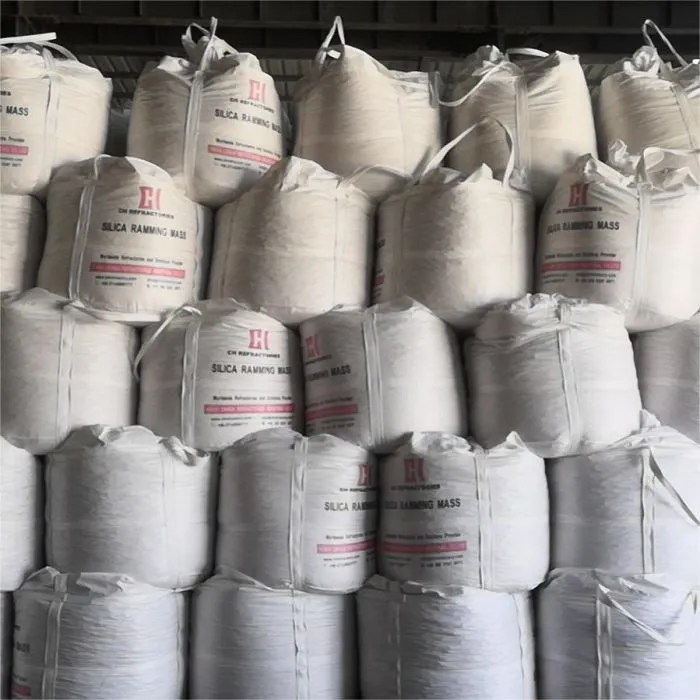
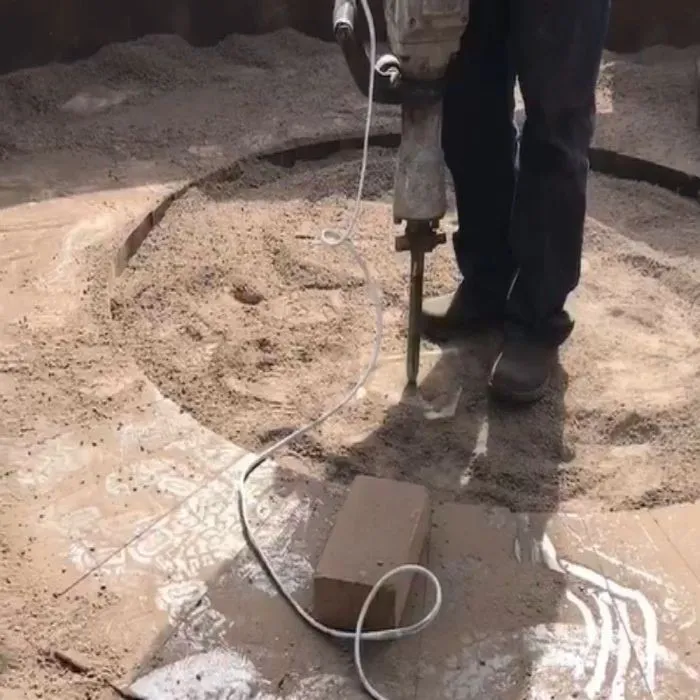
Ramming mass is a crucial refractory material widely used in various industrial applications, especially in the lining of furnaces and ladles. As a ramming mass supplier, I have in - depth knowledge of its physical properties, which play a vital role in determining its performance and suitability for different processes. In this blog, I will explore the key physical properties of ramming mass and how they impact its functionality.
Density
Density is one of the fundamental physical properties of ramming mass. It refers to the mass per unit volume of the material. A higher - density ramming mass generally indicates a more compact structure. This is beneficial in high - temperature applications as it can resist the penetration of molten metals and slag more effectively. For example, in steelmaking furnaces, a ramming mass with a high density can prevent the infiltration of molten steel and slag into the lining, thereby extending the service life of the furnace lining.
The density of ramming mass can vary depending on its composition. For instance, Magnesite Ramming Mass, which is mainly composed of magnesite, usually has a relatively high density. Magnesite is a dense mineral, and when it is used as the main component of ramming mass, it contributes to the overall high density of the material. On the other hand, some lightweight ramming masses may have a lower density, which can be advantageous in applications where weight reduction is a concern, such as in some small - scale or portable furnaces.
Porosity
Porosity is another important physical property. It is defined as the ratio of the volume of pores in the ramming mass to its total volume. Low porosity is highly desirable in ramming mass. A ramming mass with low porosity has fewer voids, which means it has better resistance to the ingress of molten materials and gases.
In high - temperature environments, gases can react with the ramming mass and cause degradation. A low - porosity ramming mass can prevent these gases from penetrating deep into the material, thus maintaining its structural integrity. For example, in non - ferrous metal melting furnaces, a low - porosity ramming mass can prevent the sulfur - containing gases from reacting with the lining and causing corrosion.
The porosity of ramming mass can be controlled during the manufacturing process. By using fine - grained raw materials and proper compaction techniques, the porosity can be reduced. Additionally, some additives can be used to fill the pores and further improve the density and reduce the porosity of the ramming mass.
Thermal Conductivity
Thermal conductivity is a measure of how well a material conducts heat. In the case of ramming mass, the thermal conductivity property is crucial as it affects the energy efficiency of the furnace and the temperature distribution within the lining.
A ramming mass with low thermal conductivity is preferred in most applications. This is because it can reduce heat loss from the furnace, which in turn saves energy. For example, in a glass melting furnace, a low - thermal - conductivity ramming mass can help maintain a high temperature inside the furnace with less energy input. It also helps in creating a more uniform temperature distribution within the furnace, which is essential for the quality of the molten glass.
The thermal conductivity of ramming mass is influenced by its composition and structure. Materials with high - temperature stability and low - thermal - conductivity minerals, such as some types of alumina, are often used in the production of ramming mass to achieve a low thermal conductivity.
Refractoriness
Refractoriness is the ability of a material to withstand high temperatures without melting or deforming. Ramming mass is required to have high refractoriness, especially in applications where it is exposed to extremely high - temperature molten metals and slags.
The refractoriness of ramming mass depends on its chemical composition. For example, Neutral Ramming Mass is known for its good refractoriness. It can withstand high temperatures without significant chemical reactions with either acidic or basic slags. This makes it suitable for a wide range of applications, including the lining of electric arc furnaces and induction furnaces.
The refractoriness of ramming mass is usually determined by the type and amount of refractory minerals it contains. Minerals such as magnesia, alumina, and silica are commonly used in ramming mass to enhance its refractoriness.
Hardness and Abrasion Resistance
Hardness and abrasion resistance are important physical properties, especially in applications where the ramming mass is subject to mechanical wear. In a furnace, the ramming mass lining may be exposed to the movement of molten metals, the flow of slag, and the impact of charging materials.
A hard and abrasion - resistant ramming mass can withstand these mechanical forces without significant wear. This helps in maintaining the integrity of the lining and reducing the frequency of lining repairs and replacements. For example, in a steelmaking converter, the ramming mass lining needs to be highly abrasion - resistant to withstand the violent agitation of the molten steel and the abrasive action of the slag.
The hardness and abrasion resistance of ramming mass can be improved by using hard - wearing raw materials and proper manufacturing processes. Some additives can also be used to enhance the hardness and abrasion resistance of the ramming mass.
Thermal Expansion
Thermal expansion is the tendency of a material to expand when heated. In the case of ramming mass, thermal expansion is an important property as it can cause stress and cracking in the lining if not properly managed.
A ramming mass with a low coefficient of thermal expansion is preferred. This is because it can better accommodate the temperature changes in the furnace without experiencing excessive stress. For example, in a cyclic - heating furnace, a ramming mass with low thermal expansion can prevent the formation of cracks due to repeated heating and cooling cycles.
The thermal expansion of ramming mass can be controlled by selecting appropriate raw materials and by adding substances that can counteract the expansion. Some ceramic fibers and special additives can be used to reduce the thermal expansion of the ramming mass.
Chemical Stability
Chemical stability is the ability of ramming mass to resist chemical reactions with the molten metals, slags, and gases in the furnace environment. Different types of ramming mass are designed to have specific chemical stabilities depending on the application.
Premix Ramming Mass is formulated to have good chemical stability. It can be tailored to be resistant to acidic or basic slags, depending on the requirements of the furnace. For example, in a copper smelting furnace, a ramming mass with good chemical stability against sulfur - containing slags is needed to prevent corrosion of the lining.
The chemical stability of ramming mass is determined by its chemical composition and the nature of the surface layer. Some protective coatings or additives can be used to enhance the chemical stability of the ramming mass and prevent chemical attacks.
Conclusion
The physical properties of ramming mass, including density, porosity, thermal conductivity, refractoriness, hardness, abrasion resistance, thermal expansion, and chemical stability, are all crucial factors that determine its performance in industrial applications. As a ramming mass supplier, we understand the importance of these properties and strive to produce high - quality ramming mass that meets the specific requirements of our customers.
If you are in need of ramming mass for your industrial furnace or other applications, we can provide you with a wide range of products with excellent physical properties. Our team of experts can also offer you professional advice on the selection and application of ramming mass. We invite you to contact us for further discussions and to start a procurement negotiation. We are committed to providing you with the best solutions for your refractory needs.
References
- "Refractory Materials Handbook" by John Smith
- "Industrial Furnace Technology" by David Brown
- Research papers on ramming mass published in the Journal of Refractory Materials Science