

Can refractory mortar be used in an incinerator? This is a question I often encounter as a supplier of refractory mortar. In this blog, I'll explore the suitability of refractory mortar for incinerators, delving into its properties, advantages, and considerations.
What is Refractory Mortar?
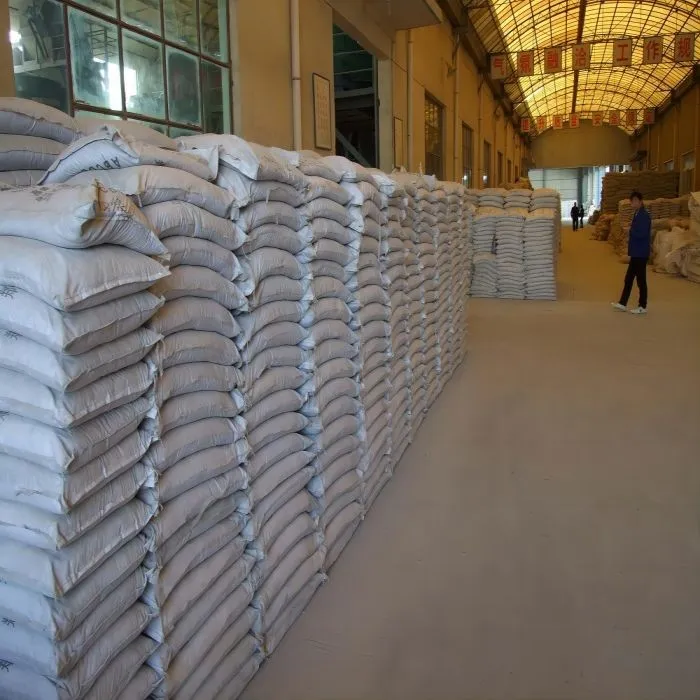
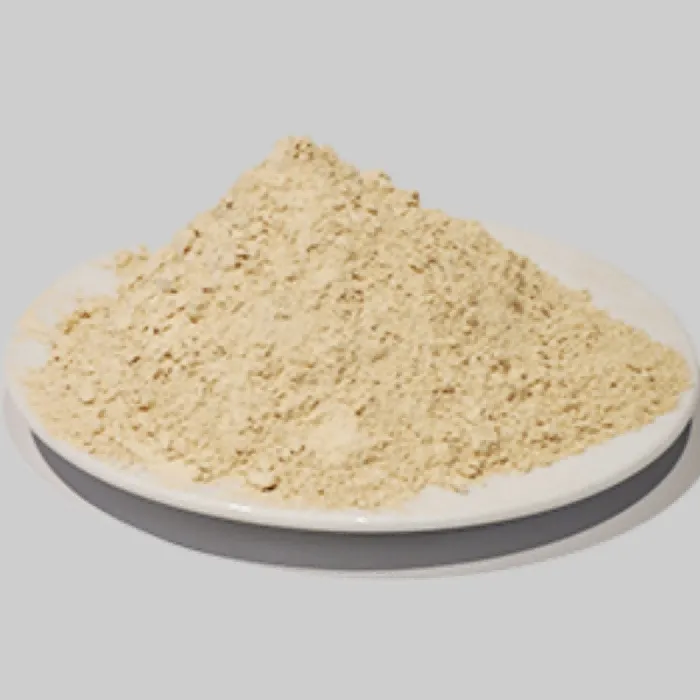
Refractory mortar is a specialized type of mortar designed to withstand high temperatures. It is used to bond refractory bricks and other heat - resistant materials in applications where normal mortar would fail. There are different types of refractory mortar available, such as High Alumina Mortar, Fireplace Refractory Mortar, and Fire Resistant Brick Mortar. Each type has its unique composition and characteristics, tailored to specific high - temperature environments.
Characteristics of Refractory Mortar Relevant to Incinerators
High Temperature Resistance
One of the most important properties of refractory mortar for use in an incinerator is its ability to withstand extremely high temperatures. Incinerators operate at temperatures that can range from several hundred to over a thousand degrees Celsius. Refractory mortars are formulated with high - melting - point materials such as alumina, silica, and magnesia. These materials can maintain their structural integrity even at elevated temperatures, preventing the mortar from melting or breaking down and ensuring that the incinerator lining remains intact.
Chemical Resistance
Incinerators often deal with various types of waste, including organic and inorganic materials. During the incineration process, chemical reactions occur, and corrosive substances may be produced. Refractory mortar must be chemically resistant to acids, alkalis, and other aggressive chemicals that can be generated in the incineration chamber. This chemical resistance helps to prevent the mortar from being eroded by the corrosive agents, thereby extending the lifespan of the incinerator lining.
Thermal Shock Resistance
In an incinerator, the temperature can change rapidly during the start - up and shut - down processes. This rapid temperature change can cause thermal stress on the refractory materials, including the mortar. Refractory mortar with good thermal shock resistance can withstand these sudden temperature variations without cracking. Cracks in the mortar can compromise the integrity of the incinerator lining, leading to heat loss and potential safety hazards.
Advantages of Using Refractory Mortar in Incinerators
Structural Integrity
By using refractory mortar to bond the refractory bricks in an incinerator, a strong and stable structure is created. The mortar fills the gaps between the bricks, providing a continuous and seamless lining. This helps to maintain the shape and integrity of the incineration chamber, preventing the bricks from shifting or falling out during operation.
Heat Insulation
Refractory mortar has good heat - insulating properties. It helps to reduce heat transfer from the incineration chamber to the outer walls of the incinerator. This is not only energy - efficient but also helps to protect the surrounding environment and equipment from the intense heat generated inside the incinerator.
Longevity
Due to its high temperature, chemical, and thermal shock resistance, refractory mortar can significantly extend the lifespan of an incinerator. A well - installed and maintained refractory lining with the right mortar can last for many years, reducing the need for frequent repairs and replacements.
Considerations When Using Refractory Mortar in Incinerators
Compatibility
It is crucial to ensure that the refractory mortar is compatible with the refractory bricks used in the incinerator. Different types of bricks may have different expansion and contraction rates, and the mortar should be able to compensate for these differences without causing cracking or separation.
Installation
Proper installation of refractory mortar is essential for its performance in an incinerator. The mortar should be mixed according to the manufacturer's instructions, and the application should be done carefully to ensure a uniform thickness and good bonding between the bricks. Any errors in installation can lead to premature failure of the mortar and the lining.
Maintenance
Even though refractory mortar is designed to be long - lasting, regular maintenance of the incinerator lining is still necessary. This includes inspecting the lining for cracks, erosion, or other signs of damage and making timely repairs as needed.
Choosing the Right Refractory Mortar for Incinerators
When selecting a refractory mortar for an incinerator, several factors need to be considered. The operating temperature of the incinerator is the primary factor. For incinerators with relatively low operating temperatures (up to about 800 - 900°C), Fireplace Refractory Mortar may be suitable. However, for incinerators that operate at much higher temperatures (over 1000°C), High Alumina Mortar with its higher melting point and better high - temperature performance is a better choice.
The type of waste being incinerated also affects the choice of mortar. If the waste contains a high proportion of corrosive substances, a chemically resistant Fire Resistant Brick Mortar should be selected to prevent chemical attack on the mortar.
Conclusion
In conclusion, refractory mortar can indeed be used in an incinerator, and it offers several significant advantages for maintaining the performance and longevity of the incinerator lining. The high temperature, chemical, and thermal shock resistance of refractory mortar make it an ideal material for this high - stress environment. However, careful consideration must be given to factors such as compatibility, installation, and maintenance to ensure optimal performance.
If you are involved in the construction or maintenance of an incinerator and are looking for high - quality refractory mortar, I invite you to reach out for a procurement discussion. Together, we can determine the most suitable refractory mortar for your specific incinerator requirements.
References
- Khan, M. A., & Zhang, Y. (2018). High - temperature materials: design and applications. Elsevier.
- Sisson, R. D. (2017). Refractory technology: achievements and future challenges. Springer.
- ASTM International. (2020). Standard test methods for chemical analysis of refractories. West Conshohocken, PA: ASTM International.