

The world of musical instruments is a rich tapestry of sound, color, and texture, each note and chord crafted from a diverse array of raw materials. As a raw material supplier deeply entrenched in this industry, I've witnessed firsthand the profound impact that these materials have on the creation and performance of musical instruments. In this blog post, I'll delve into the fascinating realm of raw materials used in musical instrument manufacturing, exploring their unique properties, applications, and the role they play in shaping the sounds we love.
Wood: The Timeless Classic
Wood has been the cornerstone of musical instrument construction for centuries, prized for its natural beauty, resonance, and workability. Different types of wood offer distinct tonal qualities, making them suitable for various instruments.
Spruce
Spruce is a popular choice for the soundboards of stringed instruments such as guitars, violins, and pianos. Its light weight, straight grain, and high stiffness-to-weight ratio allow it to vibrate freely, producing a bright, clear tone with excellent projection. Sitka spruce, in particular, is highly regarded for its superior acoustic properties and is often used in high-end instruments.
Mahogany
Mahogany is another versatile wood commonly used in musical instrument construction. It has a warm, rich tone with good midrange emphasis, making it ideal for the bodies of guitars, basses, and some wind instruments. Mahogany is also known for its strength, stability, and resistance to warping, making it a reliable choice for long-lasting instruments.
Rosewood
Rosewood is a dense, heavy wood with a deep, complex tone and excellent sustain. It is often used for the fingerboards, bridges, and backs of stringed instruments, adding warmth and richness to the sound. Brazilian rosewood, in particular, is highly prized for its exceptional acoustic properties, but due to its endangered status, alternative species such as Indian rosewood and African blackwood are now more commonly used.
Metal: The Powerhouse of Sound
Metals play a crucial role in the construction of many musical instruments, providing strength, durability, and unique sonic characteristics.
Brass
Brass is an alloy of copper and zinc, known for its bright, brassy tone and excellent resonance. It is commonly used in the construction of brass instruments such as trumpets, trombones, and tubas, as well as the reeds of woodwind instruments. Brass is also used in the hardware and fittings of musical instruments, providing a sturdy and reliable support structure.
Steel
Steel is a strong, durable metal with a bright, clear tone. It is commonly used in the strings of guitars, basses, and pianos, as well as the bodies of some percussion instruments. Steel strings offer a bright, punchy sound with excellent sustain, making them a popular choice for rock, pop, and blues music.
Silver
Silver is a precious metal with a warm, rich tone and excellent corrosion resistance. It is often used in the construction of high-end wind instruments such as flutes and clarinets, as well as the keys and fittings of some keyboard instruments. Silver-plated instruments are also popular, offering a more affordable alternative to solid silver instruments while still providing a high-quality sound.
Synthetic Materials: The Future of Instrument Making
In recent years, synthetic materials have emerged as a viable alternative to traditional raw materials in musical instrument manufacturing. These materials offer several advantages, including consistency, durability, and the ability to be engineered for specific acoustic properties.
Synthetic Cordierite
Synthetic cordierite is a ceramic material that offers excellent thermal stability, low thermal expansion, and high mechanical strength. It is often used in the construction of high-performance wind instruments such as saxophones and clarinets, providing a consistent and reliable sound quality. Synthetic cordierite is also resistant to wear and tear, making it a durable choice for long-lasting instruments.
Bubble Alumina
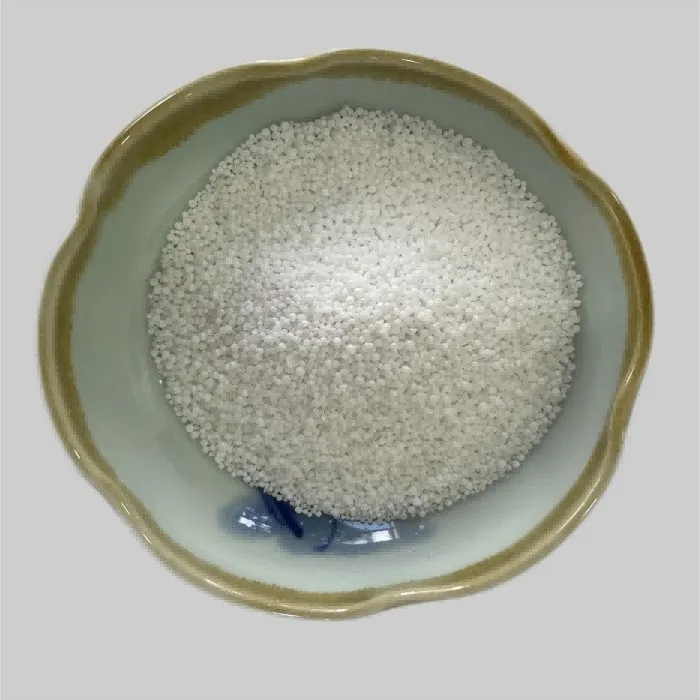
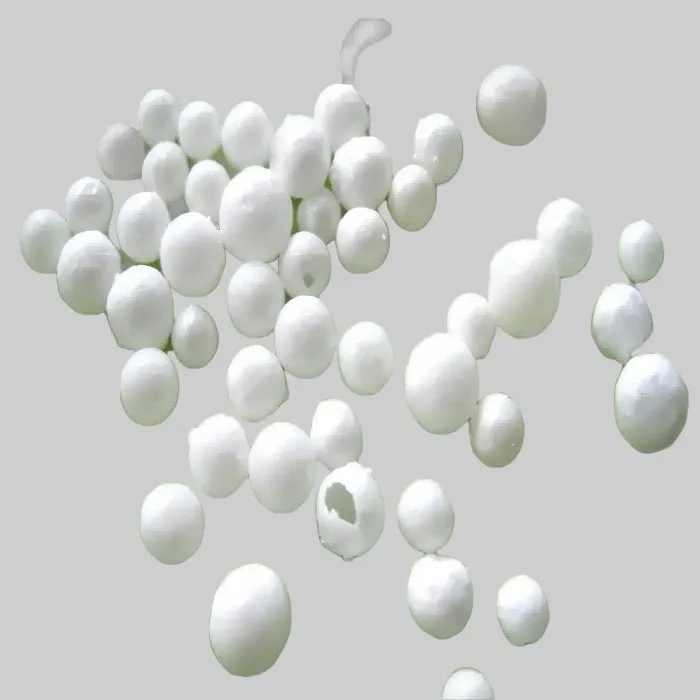
Bubble alumina is a lightweight, porous ceramic material that offers excellent acoustic properties. It is often used in the construction of speaker enclosures and acoustic panels, providing a natural and warm sound quality. Bubble alumina is also fire-resistant and environmentally friendly, making it a sustainable choice for musical instrument manufacturing.
Other Raw Materials
In addition to wood, metal, and synthetic materials, there are several other raw materials used in the construction of musical instruments, each with its own unique properties and applications.
Animal Products
Animal products such as animal hide, bone, and ivory have been used in musical instrument construction for centuries. Animal hide is commonly used in the construction of drums and tambourines, providing a natural and resonant sound. Bone and ivory are often used in the construction of wind instruments such as flutes and clarinets, adding a warm and rich tone to the sound. However, due to ethical and environmental concerns, the use of animal products in musical instrument manufacturing is becoming increasingly limited.
Resins and Glues
Resins and glues are used to bond different components of musical instruments together, providing a strong and reliable joint. Epoxy resin is a popular choice for bonding wood, metal, and synthetic materials, offering excellent adhesion and durability. PVA glue is also commonly used for bonding wood, providing a strong and flexible joint.
The Importance of Quality Raw Materials
The quality of the raw materials used in musical instrument manufacturing has a profound impact on the sound, playability, and durability of the instrument. High-quality raw materials are carefully selected and processed to ensure that they meet the strictest standards of quality and performance. By using the best possible raw materials, instrument makers can create instruments that produce a rich, full-bodied sound, are easy to play, and last for many years.
Contact Us for Your Raw Material Needs
As a leading raw material supplier, we are committed to providing our customers with the highest quality raw materials for musical instrument manufacturing. Whether you're a professional instrument maker or a hobbyist, we have the expertise and resources to help you find the right raw materials for your project. Contact us today to learn more about our products and services, and to start a conversation about your raw material needs.
References
- Firth, J. (2009). The Science of Musical Instruments. Oxford University Press.
- Rossing, T. D., Moore, F. R., & Wheeler, P. A. (2013). The Science of Sound. Addison-Wesley.
- Taylor, B. (2016). Woodwind Instruments: History, Technology, and Performance. Indiana University Press.