

What are the raw materials for making toothbrushes?
As a raw material supplier deeply entrenched in the dental care industry, I've witnessed firsthand the evolving landscape of toothbrush manufacturing. Toothbrushes, a daily essential in our oral hygiene routines, are the result of a meticulous combination of various raw materials. Each component plays a crucial role in ensuring the toothbrush's functionality, durability, and safety. In this blog, I'll delve into the key raw materials used in toothbrush production and shed light on their unique properties and contributions.
1. Bristles
The bristles are perhaps the most critical part of a toothbrush, as they are directly responsible for cleaning teeth and gums. There are two main types of bristles commonly used in toothbrush manufacturing: natural and synthetic.
Natural Bristles
Historically, natural bristles were sourced from animal hair, primarily from pigs. Pig bristles were favored for their relative stiffness and ability to effectively remove plaque and debris from teeth. However, natural bristles have several drawbacks. They can harbor bacteria more easily than synthetic bristles, as they are porous and difficult to clean thoroughly. Additionally, the quality of natural bristles can vary significantly depending on the source and processing methods, leading to inconsistent performance. As a result, the use of natural bristles in modern toothbrush manufacturing has declined significantly.
Synthetic Bristles
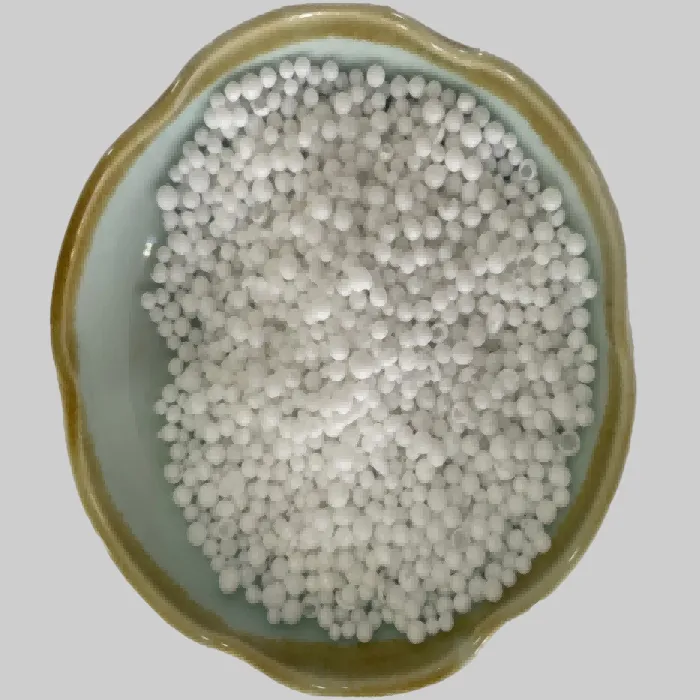
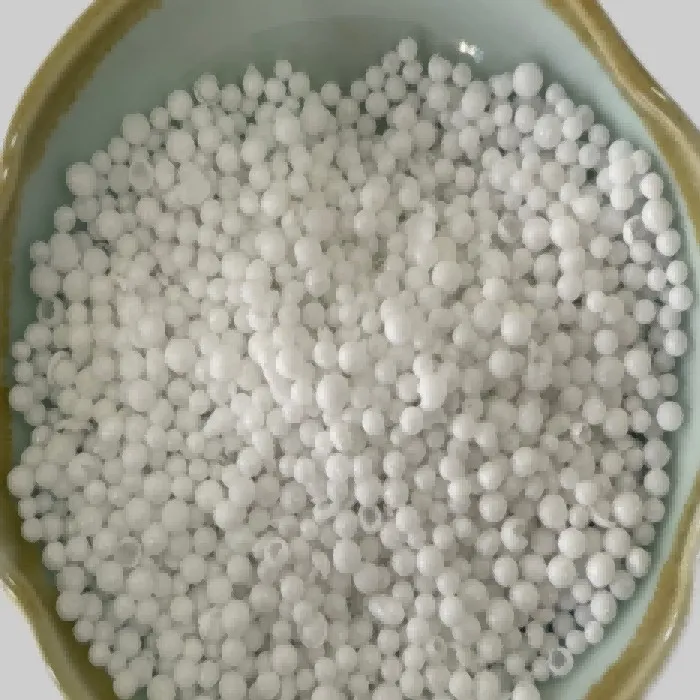
Synthetic bristles have become the industry standard due to their numerous advantages over natural bristles. They are typically made from nylon, a strong and durable synthetic polymer. Nylon bristles are non - porous, which means they are less likely to harbor bacteria and are easier to clean. They also offer consistent stiffness and performance, ensuring a reliable cleaning experience.
There are different grades of nylon used for toothbrush bristles, each with its own level of stiffness. Soft nylon bristles are gentle on teeth and gums, making them suitable for people with sensitive teeth or gums. Medium and hard nylon bristles, on the other hand, provide more aggressive cleaning for those who need to remove stubborn plaque.
In addition to nylon, other synthetic materials are also being explored for toothbrush bristles. For example, some manufacturers are using polybutylene terephthalate (PBT), which offers similar properties to nylon but may have different surface characteristics that can enhance cleaning efficiency.
2. Handle Materials
The handle of a toothbrush serves as the user's grip and provides the structural support for the bristles. A variety of materials are used to make toothbrush handles, each with its own set of properties.
Plastic
Plastic is the most commonly used material for toothbrush handles due to its versatility, affordability, and ease of manufacturing. Polypropylene (PP) is a popular choice for toothbrush handles. It is lightweight, strong, and resistant to moisture and chemicals. PP can be easily molded into various shapes and designs, allowing for ergonomic handles that are comfortable to hold.
Another plastic material used is acrylonitrile butadiene styrene (ABS). ABS is known for its high impact resistance and good surface finish. It can be used to create more durable and aesthetically pleasing toothbrush handles. Some toothbrush handles are also made from biodegradable plastics, such as polylactic acid (PLA), which are derived from renewable resources like corn starch. These biodegradable plastics are more environmentally friendly and are becoming increasingly popular as consumers become more conscious of their environmental impact.
Wood
Wood has been used for toothbrush handles for centuries. It offers a natural and aesthetically pleasing alternative to plastic. Wood handles are often made from sustainable hardwoods, such as bamboo or beech. Bamboo is a particularly popular choice because it is fast - growing, renewable, and has natural antibacterial properties. However, wood handles require special care to prevent warping and mold growth. They need to be dried thoroughly after use and may need to be treated with natural oils to maintain their appearance and durability.
Metal
Although less common, metal can also be used for toothbrush handles. Stainless steel is a popular choice due to its corrosion resistance and durability. Metal handles can give a toothbrush a more luxurious and high - end feel. However, they are typically heavier than plastic or wood handles, which may not be suitable for everyone.
3. Additives and Fillers
In addition to the main materials, toothbrush manufacturers often use additives and fillers to enhance the properties of the raw materials.
Colorants
Colorants are added to both the bristles and the handle to make the toothbrush more visually appealing. They can be organic or inorganic pigments. Organic pigments offer a wide range of bright and vivid colors, while inorganic pigments are more stable and resistant to fading. Colorants are carefully selected to ensure they are safe for use in oral care products.
Reinforcing Fillers
Reinforcing fillers can be added to the plastic handle materials to improve their strength and stiffness. Glass fibers are a common reinforcing filler. They can significantly increase the mechanical properties of the plastic, making the handle more resistant to breakage and deformation. However, the addition of glass fibers may also make the plastic more difficult to process and can affect the surface finish of the handle.
Antibacterial Agents
To reduce the growth of bacteria on the toothbrush, antibacterial agents can be added to the bristles or the handle. Some toothbrushes use silver nanoparticles as an antibacterial agent. Silver has natural antibacterial properties and can help keep the toothbrush clean between uses. However, the use of silver nanoparticles has raised some concerns about potential environmental and health impacts, and research is ongoing to ensure their safe use.
4. Specialized Raw Materials
In recent years, there has been an increasing interest in using specialized raw materials to improve the performance of toothbrushes.
Synthetic Cordierite is one such material. Cordierite is a mineral that has unique thermal and mechanical properties. In toothbrush manufacturing, synthetic cordierite can be used in the handle or as a component in the bristles. It can potentially enhance the strength and heat resistance of the toothbrush, making it more durable.
Bubble Alumina is another interesting material. Bubble alumina is a lightweight and porous material with high surface area. It can be used in the bristles to improve the cleaning efficiency by providing more contact points with the teeth. The porous structure of bubble alumina may also help in retaining toothpaste and releasing it gradually during brushing.
Conclusion
The raw materials used in toothbrush manufacturing are diverse and carefully selected to meet the various requirements of functionality, durability, safety, and aesthetics. As a raw material supplier, I understand the importance of providing high - quality materials that meet the strict standards of the dental care industry. Whether it's the nylon bristles for effective cleaning, the polypropylene handle for comfort and durability, or the specialized materials for enhanced performance, each component plays a vital role in creating a toothbrush that meets the needs of consumers.
If you are a toothbrush manufacturer or are involved in the dental care industry and are interested in sourcing high - quality raw materials for your products, I invite you to contact me for further discussions. We can explore the best raw material solutions for your specific requirements and work together to create innovative and effective toothbrushes.
References
- Dental Product Manufacturing Handbook.
- Journal of Oral Hygiene and Health.
- International Journal of Dental Materials.