

As a seasoned supplier of tundish nozzles, I've witnessed firsthand the critical role that these components play in the steelmaking process. Tundish nozzles are essential for controlling the flow of molten steel from the tundish to the mold, and their accuracy in manufacturing can significantly impact the quality and efficiency of steel production. In this blog post, I'll delve into the key requirements for the accuracy of tundish nozzle manufacturing, drawing on my years of experience in the industry.
Dimensional Accuracy
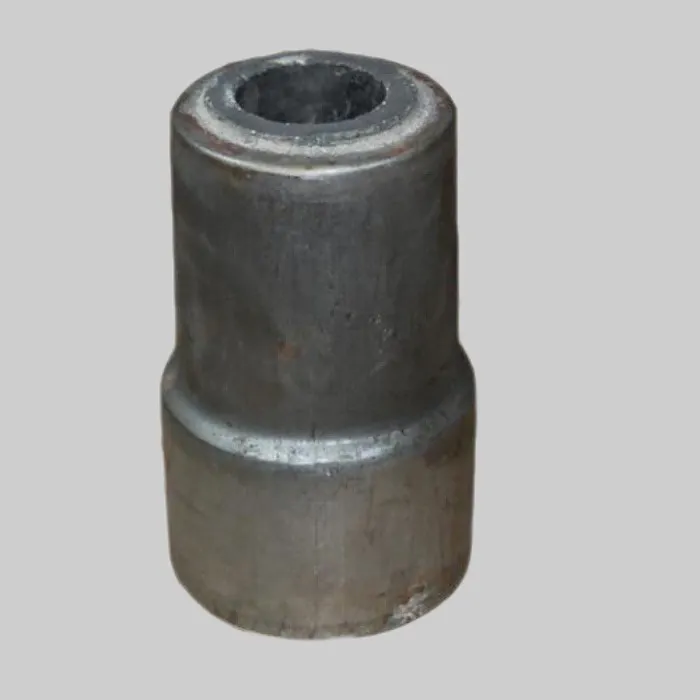
One of the most fundamental requirements for tundish nozzle manufacturing is dimensional accuracy. The dimensions of the nozzle, including its diameter, length, and taper, must be precisely controlled to ensure proper flow control and alignment with other components in the steelmaking process. Even minor deviations from the specified dimensions can lead to issues such as uneven flow, clogging, or premature wear, which can ultimately affect the quality of the steel product.
To achieve the required dimensional accuracy, we use advanced manufacturing techniques and equipment, such as computer numerical control (CNC) machining and precision grinding. These technologies allow us to manufacture tundish nozzles with tight tolerances, typically within a few thousandths of an inch. Additionally, we conduct rigorous quality control checks at every stage of the manufacturing process to ensure that the nozzles meet the specified dimensions and quality standards.
Material Quality
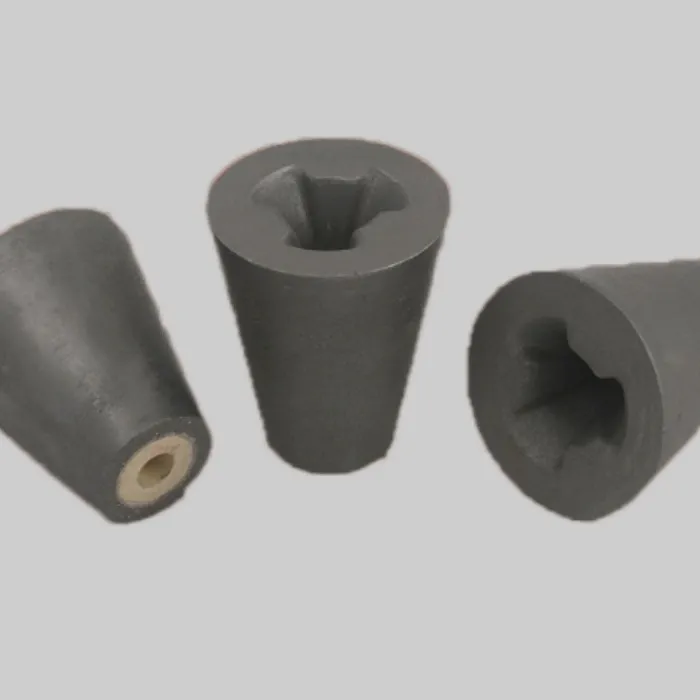
The quality of the materials used in tundish nozzle manufacturing is another crucial factor that affects the accuracy and performance of the nozzles. Tundish nozzles are typically made from refractory materials, such as zirconia, alumina, and magnesia, which are capable of withstanding the high temperatures and corrosive environment of the steelmaking process.
To ensure the quality of the materials, we source them from reputable suppliers and conduct thorough testing to verify their chemical composition, physical properties, and thermal stability. We also use advanced manufacturing processes, such as hot pressing and sintering, to optimize the microstructure and properties of the refractory materials, resulting in nozzles that are more resistant to wear, erosion, and thermal shock.
Surface Finish
The surface finish of the tundish nozzle is also important for its accuracy and performance. A smooth and uniform surface finish can help to reduce friction and turbulence, which can improve the flow of molten steel and prevent clogging. Additionally, a good surface finish can enhance the nozzle's resistance to corrosion and erosion, extending its service life.
To achieve a high-quality surface finish, we use advanced polishing and grinding techniques, as well as specialized coatings and treatments. These processes can help to remove any surface imperfections and create a smooth and uniform surface that is resistant to wear and corrosion.
Design and Engineering
The design and engineering of the tundish nozzle are also critical for its accuracy and performance. A well-designed nozzle should be able to provide precise flow control, minimize turbulence and clogging, and withstand the high temperatures and pressures of the steelmaking process.
To ensure the optimal design and engineering of our tundish nozzles, we work closely with our customers to understand their specific requirements and applications. We use advanced computer-aided design (CAD) and simulation software to model and analyze the flow of molten steel through the nozzle, allowing us to optimize its design and performance. Additionally, we conduct extensive testing and validation of our nozzles in real-world conditions to ensure that they meet the highest standards of quality and reliability.
Quality Control and Testing
Finally, quality control and testing are essential for ensuring the accuracy and performance of tundish nozzles. We have a comprehensive quality control system in place that includes in-process inspections, final inspections, and testing of the finished nozzles.
Our quality control team uses a variety of techniques and equipment to test the nozzles, including dimensional measurement, material analysis, thermal testing, and flow testing. These tests allow us to verify that the nozzles meet the specified dimensions, material quality, and performance requirements. Additionally, we maintain detailed records of all our quality control and testing activities, which allows us to track the performance of our nozzles over time and make continuous improvements to our manufacturing processes.
Conclusion
In conclusion, the accuracy of tundish nozzle manufacturing is critical for the quality and efficiency of steel production. By ensuring dimensional accuracy, material quality, surface finish, design and engineering, and quality control and testing, we can manufacture tundish nozzles that provide precise flow control, minimize turbulence and clogging, and withstand the high temperatures and pressures of the steelmaking process.
As a leading supplier of tundish nozzles, we are committed to providing our customers with the highest quality products and services. We use advanced manufacturing techniques and equipment, source the best materials, and conduct rigorous quality control and testing to ensure that our nozzles meet the highest standards of accuracy and performance.
If you're in the market for high-quality tundish nozzles, we invite you to contact us to learn more about our products and services. Our team of experts will be happy to work with you to understand your specific requirements and provide you with the best solutions for your steelmaking process.
References
- Smith, J. D. (2018). Refractory Materials for Steelmaking. New York: Wiley.
- Jones, R. M. (2019). Tundish Nozzle Design and Performance. Steel Times International, 43(2), 32-37.
- Brown, S. L. (2020). Quality Control in Refractory Manufacturing. Refractories Worldforum, 16(3), 45-50.