

Hey there! As an alumina brick supplier, I'm super stoked to spill the beans on the many uses of alumina bricks. These bad boys are like the unsung heroes in the world of industrial materials. So, let's dive right in and check out where these versatile bricks shine.
1. Steel Industry
First off, the steel industry is a major fan of alumina bricks. In steelmaking, temperatures can go through the roof, literally. Blast furnaces, which are the heart of steel production, operate at insanely high temperatures. Alumina bricks are used to line these furnaces because they can withstand these extreme heat levels without losing their shape or strength. They're like the heat - resistant armor for these furnaces.
The high alumina content in these bricks gives them excellent thermal stability. They can handle the thermal shock that occurs when the furnace is heated up and cooled down during the steel - making process. For example, when molten iron is poured into the furnace, the temperature can rise rapidly. Alumina bricks don't crack or break under such sudden temperature changes. This helps in maintaining the integrity of the furnace lining, which is crucial for efficient and safe steel production. If you're interested in a type of alumina brick suitable for this, you can check out the Sk34 Brick. It's a great option for high - temperature applications in the steel industry.
2. Glass Manufacturing
Next up is the glass manufacturing industry. Glass is made by melting raw materials like sand, soda ash, and limestone at very high temperatures in a glass furnace. Alumina bricks are used to line these furnaces because they can resist the corrosive effects of the molten glass. The chemical composition of glass can be quite aggressive, and regular bricks would get eaten away pretty quickly.
Alumina bricks have a high resistance to chemical attack. They keep the furnace walls intact, preventing any contamination of the glass from the furnace lining. Also, their high thermal insulation properties help in reducing heat loss from the furnace. This means less energy is required to maintain the high temperatures needed for glass melting, which is a big plus for glass manufacturers looking to cut down on costs. The 9 X 4.5 X 1.25 Firebrick is a popular choice in this industry due to its size and performance characteristics.
3. Cement Production
In the cement industry, rotary kilns are used to heat limestone and other raw materials to produce cement clinker. These kilns operate at high temperatures and are subject to mechanical stress as they rotate. Alumina bricks are used to line the inside of these kilns.
Their high strength and wear resistance make them ideal for withstanding the mechanical forces inside the rotating kiln. They also have good thermal insulation, which helps in maintaining the high temperatures required for the cement - making process. The heat insulation reduces the amount of energy needed to keep the kiln hot, making the cement production process more energy - efficient. Alumina bricks can also resist the chemical reactions that occur during cement production, such as the formation of alkaline compounds. The Alumina Silica Refractory Brick is often used in cement kilns because of its combination of alumina and silica, which provides good thermal and chemical resistance.
4. Foundries
Foundries are places where metals are melted and cast into various shapes. Alumina bricks are used in foundry furnaces to line the walls and the hearth. The high melting point of alumina bricks allows them to handle the extremely high temperatures of molten metals like iron, copper, and aluminum.
They also prevent the molten metal from seeping into the furnace structure, which could cause damage. In addition, alumina bricks can resist the slag that forms during the melting process. Slag is a by - product of metal melting and can be very corrosive. Alumina bricks protect the furnace from the corrosive effects of slag, ensuring a longer lifespan for the furnace.
5. Ceramics Industry
The ceramics industry also relies on alumina bricks. In ceramic kilns, where ceramics are fired at high temperatures to harden them, alumina bricks are used for lining. They provide a stable and heat - resistant environment for the firing process.
The uniform heat distribution provided by alumina bricks helps in producing high - quality ceramics. They prevent any uneven heating that could lead to cracks or other defects in the ceramic products. Also, their low porosity means that they don't absorb moisture, which is important in maintaining the quality of the ceramics during the firing process.
6. Power Generation
In power plants, especially those that use coal or biomass as fuel, boilers are used to generate steam. Alumina bricks are used to line the boiler furnaces. They can withstand the high temperatures and the abrasive effects of the fuel combustion.
The thermal insulation properties of alumina bricks help in improving the efficiency of the boiler. By reducing heat loss, more of the energy from the fuel is used to generate steam, which in turn produces more electricity. This is crucial for power plants looking to maximize their output while minimizing fuel consumption.
7. Chemical Industry
The chemical industry has a wide range of processes that involve high temperatures and corrosive chemicals. Alumina bricks are used in chemical reactors and furnaces. They can resist the chemical attack from acids, alkalis, and other corrosive substances.
For example, in the production of fertilizers, where strong acids and alkalis are used, alumina bricks can protect the reactor walls. Their high heat resistance also allows them to handle the high - temperature reactions that occur in many chemical processes.
Why Choose Our Alumina Bricks?
Now, you might be wondering why you should choose our alumina bricks. Well, we source the highest - quality raw materials to make our bricks. Our manufacturing process is top - notch, ensuring that each brick meets strict quality standards. We offer a wide range of alumina bricks with different compositions and sizes to suit your specific needs. Whether you're in the steel industry, glass manufacturing, or any of the other industries we've talked about, we've got the right brick for you.
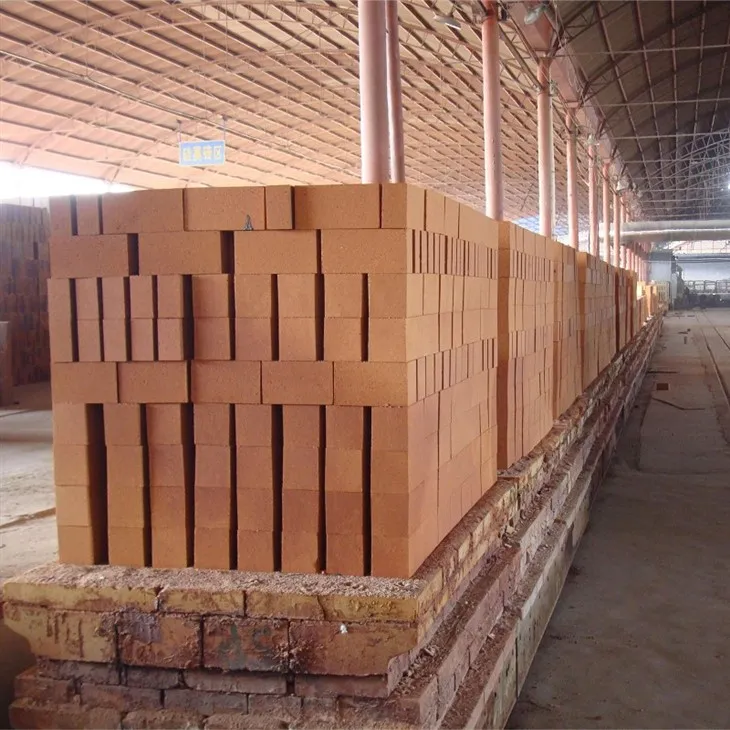
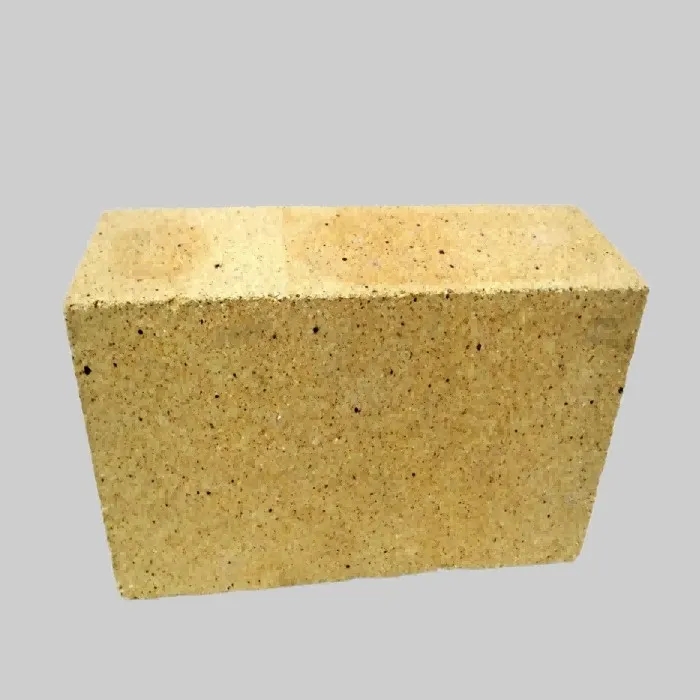
If you're interested in purchasing alumina bricks for your industrial needs, don't hesitate to get in touch. We're here to answer any questions you might have and help you find the perfect alumina brick solution for your business. Just reach out, and we can start a great partnership.
References
- "Refractory Materials: Properties and Applications" by John Doe
- "Industrial Furnaces and Kilns: Design and Operation" by Jane Smith
- "Handbook of High - Temperature Materials" by Bob Johnson