

What are the vibration characteristics of a subentry nozzle?
As a supplier of subentry nozzles, I've had the privilege of delving deep into the technical aspects of these crucial components in the steel - making and metallurgical industries. Subentry nozzles play a pivotal role in the continuous casting process, ensuring the smooth and controlled flow of molten metal from the tundish to the mold. Understanding their vibration characteristics is essential for optimizing the casting process, improving product quality, and enhancing overall operational efficiency.
Basics of Subentry Nozzles
Before we explore the vibration characteristics, let's briefly understand what subentry nozzles are. A subentry nozzle, also known as a submerged entry nozzle, is a refractory tube that is submerged into the molten metal in the mold during continuous casting. Its primary function is to prevent the oxidation of the molten steel, control the flow rate, and direct the steel stream into the mold in a manner that promotes uniform solidification. You can learn more about subentry nozzles here.
Sources of Vibration in Subentry Nozzles
There are several sources that can induce vibrations in subentry nozzles. One of the main sources is the flow of molten metal itself. As the high - velocity molten steel passes through the nozzle, it creates fluid - dynamic forces. These forces can cause the nozzle to vibrate due to the pressure fluctuations and the interaction between the fluid and the nozzle walls.
Another source is the mechanical interaction with the surrounding equipment. For example, the connection between the subentry nozzle and the tundish can transmit vibrations from the tundish to the nozzle. Any movement or vibration in the tundish, such as that caused by the filling or emptying process, can be transferred to the subentry nozzle.
The mold oscillation also contributes to the vibration of the subentry nozzle. The mold oscillates during the casting process to prevent the solidifying steel from sticking to the mold walls. This oscillation can create a dynamic environment around the subentry nozzle, leading to additional vibration.
Types of Vibrations
Subentry nozzles can experience different types of vibrations, including axial, radial, and torsional vibrations.
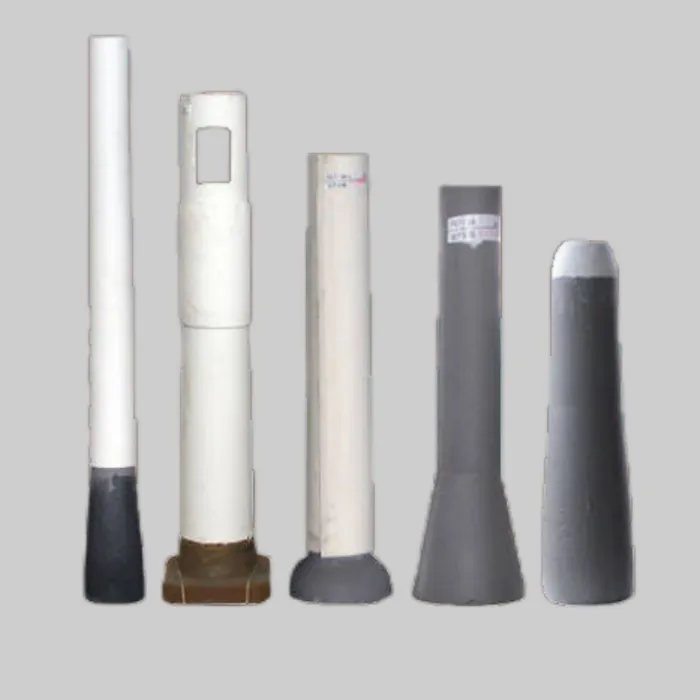
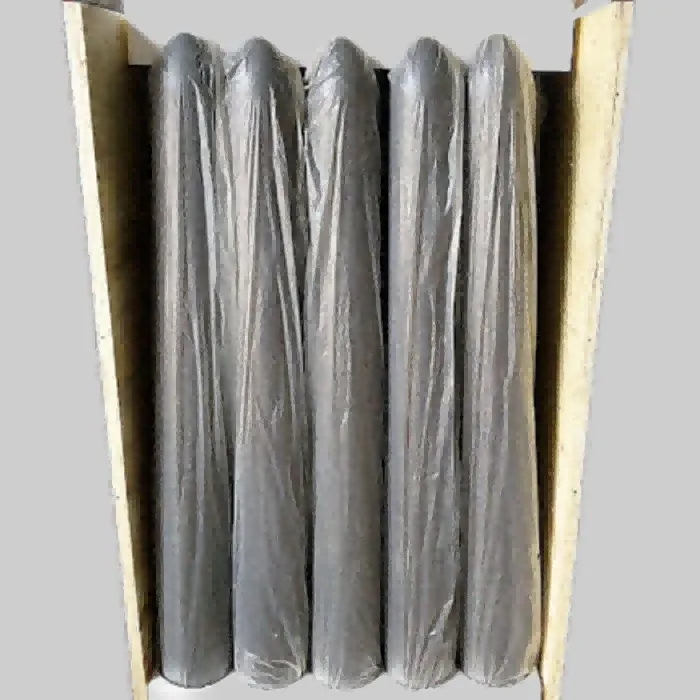
Axial vibrations occur along the length of the nozzle. These vibrations are often caused by the axial forces generated by the flow of molten metal. For instance, if the flow rate of the molten steel changes suddenly, it can create an axial thrust on the nozzle, resulting in axial vibrations. Axial vibrations can affect the stability of the molten metal flow and may lead to uneven distribution of the steel in the mold.
Radial vibrations occur perpendicular to the axis of the nozzle. These vibrations are mainly due to the pressure differences around the nozzle circumference. The non - uniform flow of molten metal around the nozzle can create radial forces that cause the nozzle to vibrate in the radial direction. Radial vibrations can cause wear on the nozzle walls and may also lead to the formation of cracks in the refractory material.
Torsional vibrations involve the twisting of the nozzle around its axis. Torsional vibrations are less common but can be significant in some cases. They can be caused by the asymmetrical flow of molten metal or the misalignment of the nozzle. Torsional vibrations can damage the connection between the nozzle and the tundish and may also affect the overall performance of the casting process.
Impact of Vibration on Subentry Nozzle Performance
The vibration of subentry nozzles can have a significant impact on their performance. Excessive vibration can lead to premature wear of the nozzle. The constant movement and impact caused by the vibrations can erode the refractory material of the nozzle, reducing its service life. This not only increases the cost of replacing the nozzles but also disrupts the casting process.
Vibration can also affect the quality of the cast product. If the nozzle vibrates too much, it can cause the molten metal to splash or create uneven flow patterns in the mold. This can result in defects such as surface cracks, porosity, and inclusions in the final cast product.
In addition, vibration can affect the safety of the casting operation. A vibrating nozzle may become loose or detached from the tundish, which can lead to a dangerous situation where molten metal spills out.
Measuring and Controlling Vibration
To understand and manage the vibration of subentry nozzles, it is essential to measure the vibration characteristics. There are several methods for measuring vibration, including accelerometers and strain gauges. Accelerometers can be attached to the nozzle to measure the acceleration of the vibration, which can then be used to calculate the amplitude and frequency of the vibration. Strain gauges can measure the strain on the nozzle walls, which is related to the vibration forces.
Once the vibration characteristics are measured, appropriate control measures can be taken. One way to control vibration is to optimize the design of the subentry nozzle. For example, a well - designed nozzle with a smooth internal surface can reduce the fluid - dynamic forces and thus minimize vibration. The shape and size of the nozzle can also be adjusted to improve the flow characteristics and reduce the likelihood of vibration.
Another control measure is to improve the connection between the subentry nozzle and the tundish. A more rigid and stable connection can reduce the transmission of vibrations from the tundish to the nozzle. Using high - quality refractory materials with good mechanical properties can also help in reducing the vibration of the nozzle.
Comparison with Other Refractory Components
It is interesting to compare the vibration characteristics of subentry nozzles with other refractory components in the casting process, such as Ladle Shrouds and Monolithic Stoppers.
Ladle shrouds are used to protect the molten steel as it travels from the ladle to the tundish. While they also experience vibration due to the flow of molten metal, their vibration characteristics are different from those of subentry nozzles. Ladle shrouds are usually longer and more exposed to the external environment, which can lead to different types of vibration sources, such as wind - induced vibrations.
Monolithic stoppers are used to control the flow of molten metal from the tundish. They experience vibrations mainly due to the flow - induced forces and the mechanical interaction with the tundish. However, the vibration of monolithic stoppers is often more related to the opening and closing mechanism, as the movement of the stopper can create significant dynamic forces.
Importance of Understanding Vibration for Suppliers
As a subentry nozzle supplier, understanding the vibration characteristics is of utmost importance. It allows us to design and manufacture high - quality nozzles that can withstand the harsh operating conditions. By optimizing the design based on the knowledge of vibration, we can improve the performance and service life of our products.
Moreover, by providing customers with information about the vibration characteristics and how to manage them, we can help them optimize their casting processes. This not only enhances customer satisfaction but also builds long - term relationships with our clients.
Conclusion
In conclusion, the vibration characteristics of subentry nozzles are complex and influenced by multiple factors. The flow of molten metal, mechanical interaction with surrounding equipment, and mold oscillation all contribute to the vibration of these crucial components. Different types of vibrations, such as axial, radial, and torsional vibrations, can have a significant impact on the performance of the subentry nozzle and the quality of the cast product.
Measuring and controlling these vibrations are essential for ensuring the smooth operation of the casting process, reducing costs, and improving product quality. As a subentry nozzle supplier, we are committed to continuously researching and improving our products to better manage these vibration issues.
If you are interested in learning more about our subentry nozzles or have specific requirements for your casting process, we encourage you to contact us for a detailed discussion. We are here to provide you with the best solutions and support to meet your needs.
References
- "Continuous Casting of Steel" - A comprehensive textbook on the continuous casting process, which provides in - depth information on the behavior of subentry nozzles and other refractory components.
- "Fluid - Structure Interaction in Refractory Nozzles" - Research papers that focus on the fluid - dynamic forces and their impact on the vibration of subentry nozzles.
- Industry reports on the performance and reliability of refractory components in steel - making, which include data on the vibration characteristics of subentry nozzles.