

What is the corrosion resistance of refractory mortar?
Hey there! As a supplier of refractory mortar, I often get asked about the corrosion resistance of this stuff. So, I thought I'd take a few minutes to break it down for you.
First off, let's talk about what refractory mortar is. It's a special type of mortar that's designed to withstand high temperatures. You'll typically find it used in things like fireplaces, kilns, and industrial furnaces. It's what holds those firebricks together and keeps everything in place, even when the heat is on.
Now, when we're talking about corrosion resistance, we're mainly concerned with how well the refractory mortar can stand up to chemical attacks. There are a few different types of corrosion that can affect refractory mortar, and understanding them is key to choosing the right product for your needs.
One common type of corrosion is acid corrosion. This can happen when the mortar comes into contact with acidic substances, like sulfur dioxide or hydrochloric acid. These acids can react with the components of the mortar, breaking them down over time. For example, if you're using refractory mortar in a furnace that burns coal, the sulfur in the coal can produce sulfur dioxide gas. This gas can then react with the mortar, causing it to deteriorate.
Another type of corrosion is alkaline corrosion. Alkaline substances, such as sodium hydroxide or potassium hydroxide, can also cause problems for refractory mortar. They can react with the mortar's minerals, weakening its structure. This type of corrosion is often seen in industrial processes where alkaline chemicals are used.
Then there's thermal shock corrosion. This occurs when the mortar is exposed to rapid temperature changes. When the mortar heats up and cools down quickly, it can expand and contract, creating stress within the material. Over time, this stress can lead to cracks and spalling, which reduces the mortar's corrosion resistance.
So, how do we make refractory mortar more corrosion - resistant? Well, there are a few ways. One is to choose the right raw materials. Different minerals have different levels of resistance to corrosion. For example, some types of clay are more resistant to acid corrosion than others. By using high - quality, corrosion - resistant raw materials, we can improve the overall performance of the mortar.
Another approach is to add additives. These can enhance the mortar's properties and make it more resistant to corrosion. For example, some additives can form a protective layer on the surface of the mortar, preventing corrosive substances from penetrating. Others can improve the mortar's thermal stability, reducing the risk of thermal shock corrosion.
At our company, we offer a range of refractory mortar products with excellent corrosion resistance. Our Firebrick Mortar Mix is specially formulated to withstand high temperatures and resist chemical attacks. It's a great choice for fireplaces and small - scale furnaces.
If you're looking for something for your fireplace, our Fireplace Refractory Mortar is the way to go. It's designed to provide a strong bond between the firebricks and protect them from corrosion. It can handle the heat and the chemicals produced in a fireplace environment.
For more industrial applications, our Fire Resistant Brick Mortar is a top - notch option. It's made with high - quality materials and advanced additives to ensure maximum corrosion resistance in harsh industrial conditions.
When you're choosing a refractory mortar, it's important to consider the specific environment in which it will be used. Think about the types of chemicals it will come into contact with, the temperature range, and the frequency of thermal cycling. By doing so, you can select the mortar that will offer the best corrosion resistance for your project.
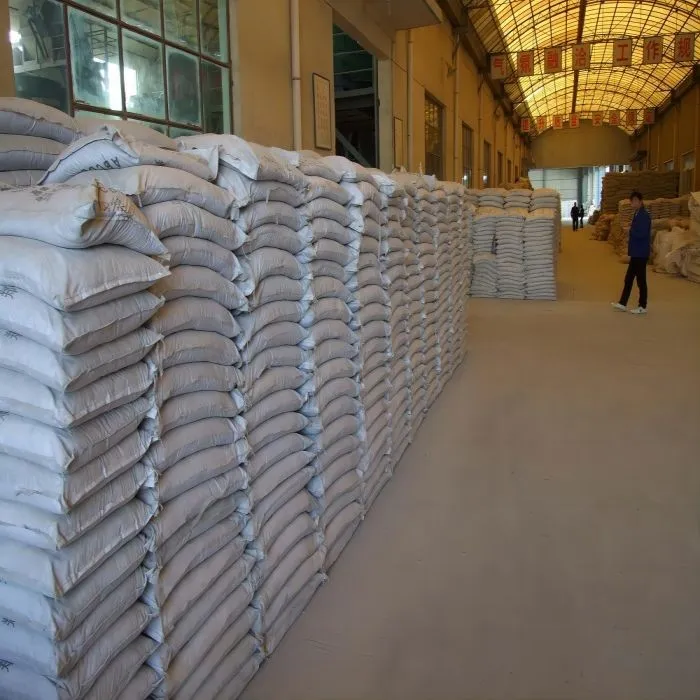
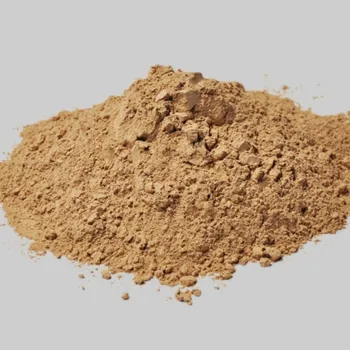
If you're still not sure which refractory mortar is right for you, don't hesitate to reach out. We're here to help you make the best decision. Whether you're a DIY enthusiast building your own fireplace or an industrial engineer working on a large - scale project, we can provide you with the information and products you need.
Contact us today to start a conversation about your refractory mortar needs. We can discuss your project in detail, answer any questions you have, and provide you with a quote. Let's work together to ensure your project is a success with our high - quality, corrosion - resistant refractory mortar.
References
- ASTM International. Standard test methods for chemical analysis of refractory materials.
- Perry, R. H., & Green, D. W. (Eds.). Perry's Chemical Engineers' Handbook. McGraw - Hill.
- Reed, J. S. (1995). Principles of Ceramic Processing. Wiley.