

Hey there! As a fire brick supplier, I often get asked about various technical aspects of fire bricks. One question that pops up quite a bit is, "What is the modulus of rupture of fire bricks?" So, let's dive right into it and break it down in a way that's easy to understand.
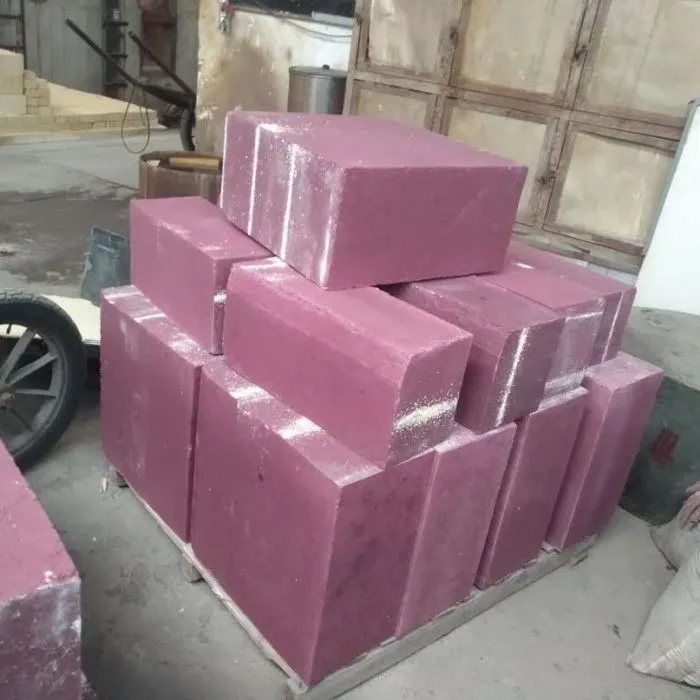
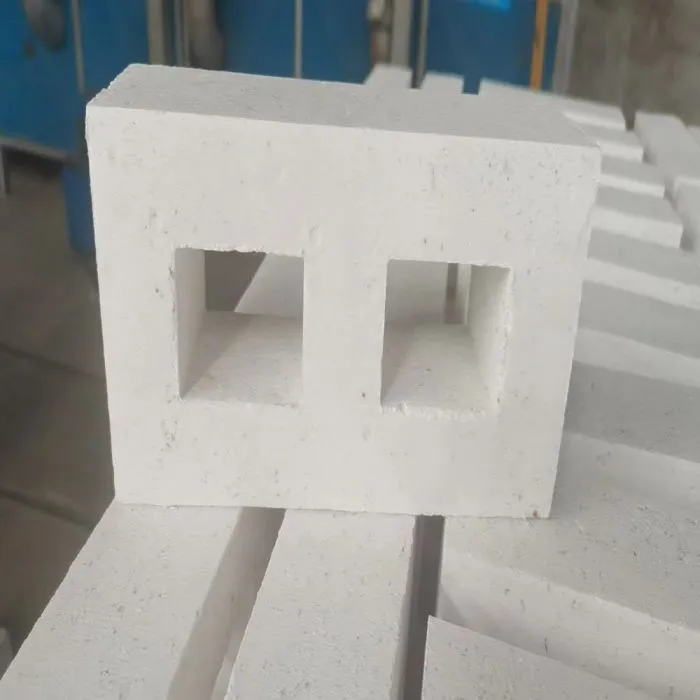
First off, the modulus of rupture (MOR) is a key property when it comes to fire bricks. It's basically a measure of the brick's ability to withstand bending stress before it breaks. You can think of it like testing how much pressure you can put on a stick before it snaps. In the case of fire bricks, this is super important because they're often used in environments where they're subjected to all sorts of forces, like weight from above or thermal expansion and contraction.
When we talk about the modulus of rupture, we're looking at the maximum stress a fire brick can handle in a bending test. This test is usually done by placing a brick on two supports and then applying a load in the middle until it breaks. The stress at the point of failure is what we call the modulus of rupture. It's measured in units of pressure, like pounds per square inch (psi) or megapascals (MPa).
Now, why does the modulus of rupture matter? Well, in industrial settings where fire bricks are used, they need to be able to hold up under different conditions. For example, in a furnace, the bricks have to support the weight of the materials inside and also deal with the heat. If the modulus of rupture is too low, the bricks might crack or break, which can lead to all sorts of problems. It could cause the furnace to lose its structural integrity, or it might allow heat to escape, which is not only inefficient but can also be dangerous.
Different types of fire bricks have different modulus of rupture values. Let's take a look at a few common types:
Corundum Brick
Corundum Brick is known for its high alumina content, which gives it excellent heat resistance and mechanical strength. These bricks typically have a relatively high modulus of rupture, making them suitable for applications where they'll be under a lot of stress. They're often used in areas of furnaces where there's a lot of abrasion and high temperatures, like in the lining of blast furnaces.
Chrome Brick
Chrome Brick is another type of fire brick that's widely used. It has good resistance to chemical attack and thermal shock. The modulus of rupture of chrome bricks can vary depending on their composition and manufacturing process. They're commonly used in industries like steelmaking, where they need to withstand the harsh conditions inside the furnaces.
Zirconia Mullite Brick
Zirconia Mullite Brick combines the properties of zirconia and mullite, resulting in a brick with high strength and good thermal insulation. These bricks usually have a decent modulus of rupture, making them a good choice for applications where both strength and insulation are important. They're often used in kilns and other high-temperature equipment.
The modulus of rupture of fire bricks can also be affected by factors like the raw materials used, the manufacturing process, and the firing temperature. For example, if the raw materials are of poor quality, the resulting bricks might have a lower modulus of rupture. Similarly, if the manufacturing process isn't carefully controlled, it can lead to defects in the bricks that weaken them. And the firing temperature plays a crucial role too. If the bricks aren't fired at the right temperature, they might not develop the proper crystal structure, which can affect their strength.
When you're choosing fire bricks for your project, it's important to consider the modulus of rupture along with other properties like thermal conductivity, refractoriness, and chemical resistance. You need to make sure that the bricks you select can handle the specific conditions they'll be exposed to. For instance, if you're building a furnace that will operate at extremely high temperatures and be subjected to a lot of mechanical stress, you'll want to choose bricks with a high modulus of rupture.
As a fire brick supplier, I've seen firsthand how important it is to have the right bricks for the job. That's why we offer a wide range of fire bricks with different properties to meet the needs of our customers. Whether you're in the steel industry, the ceramics industry, or any other industry that uses high-temperature equipment, we can help you find the perfect fire bricks for your application.
If you're interested in learning more about fire bricks or need help choosing the right ones for your project, don't hesitate to reach out. We're here to answer your questions and provide you with the best possible solutions. You can contact us to start a discussion about your requirements and get a quote. We look forward to working with you and helping you find the fire bricks that will keep your operations running smoothly.
References
- ASTM C133-19 Standard Test Method for Modulus of Rupture of Refractory Brick and Insulating Firebrick at Ambient Temperature
- "Refractories Handbook" by Peter F. W. Eggleton