
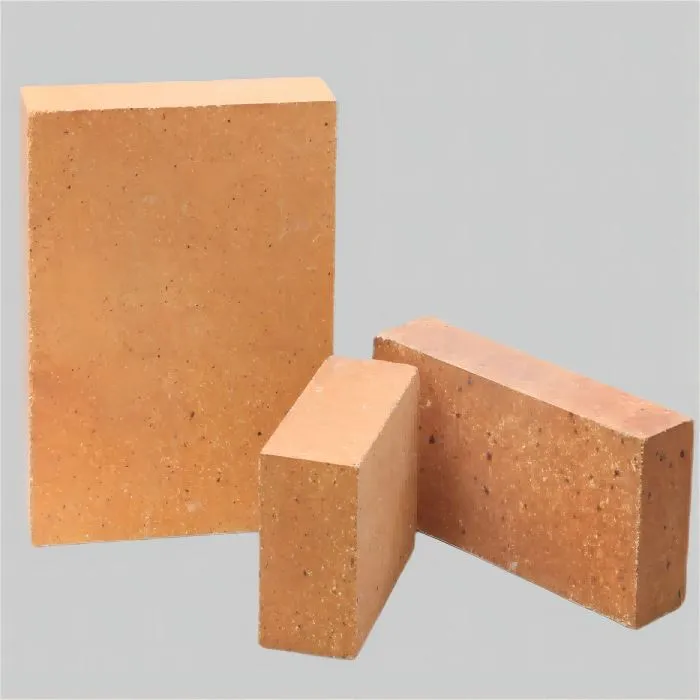
When it comes to high - temperature applications, SK34 firebrick is a name that stands out in the market. As a supplier of SK34 firebrick, I am often asked about its various properties, and one of the most common questions is about its density. In this blog, I'll delve deep into the density of SK34 firebrick, its significance, and how it relates to the overall performance of the brick.
Understanding SK34 Firebrick
Before we discuss density, let's briefly understand what SK34 firebrick is. SK34 firebrick is a type of alumina - based refractory brick. It is designed to withstand extremely high temperatures, making it suitable for a wide range of industrial applications. These applications include Cement Rotary Kiln Refractory Bricks, metallurgical furnaces, and other high - heat environments.
The "SK34" designation refers to its pyrometric cone equivalent (PCE), which is a measure of the refractoriness of the brick. A PCE of SK34 indicates that the brick can withstand temperatures up to around 1690°C (3074°F) before it begins to deform under load.
What is Density?
Density is defined as the mass per unit volume of a substance. In the context of firebricks, density is typically measured in grams per cubic centimeter (g/cm³) or kilograms per cubic meter (kg/m³). The density of a firebrick is an important property as it can influence several other characteristics of the brick, such as its strength, insulation properties, and resistance to thermal shock.
Density of SK34 Firebrick
The density of SK34 firebrick usually ranges from 2.2 to 2.4 g/cm³. This density range is carefully engineered to balance different performance aspects of the brick.
A relatively high - density SK34 firebrick (closer to 2.4 g/cm³) generally has higher strength. This makes it more suitable for applications where the brick will be subjected to mechanical stress, such as in the lining of a furnace where it may need to support the weight of other materials or withstand the impact of charging operations. High - density bricks also tend to have better resistance to abrasion, which is crucial in environments where there is a lot of material movement, like in a cement rotary kiln.
On the other hand, a lower - density SK34 firebrick (around 2.2 g/cm³) offers better insulation properties. Since less mass is present per unit volume, there are more air pockets within the brick structure. These air pockets act as insulators, reducing the transfer of heat through the brick. This can be beneficial in applications where energy efficiency is a priority, as it helps to keep the heat inside the furnace or kiln, reducing fuel consumption.
Factors Affecting the Density of SK34 Firebrick
Several factors can influence the density of SK34 firebrick during the manufacturing process:
- Raw Materials: The type and quality of the raw materials used play a significant role. High - purity alumina sources may result in a different density compared to those with some impurities. For example, if the alumina contains more fine particles, it may pack more tightly during the forming process, leading to a higher - density brick.
- Forming Method: The method used to shape the firebrick can also affect its density. Press - forming techniques can produce bricks with a more uniform and higher density compared to extrusion methods. In press - forming, high pressure is applied to the raw material mixture, compressing it into a dense brick.
- Firing Process: The firing temperature and duration are critical. A higher firing temperature and longer firing time can cause the raw materials to sinter more completely, resulting in a denser brick. However, excessive firing can also lead to over - sintering and potential cracking of the brick.
Significance of Density in Different Applications
- Metallurgical Furnaces: In metallurgical furnaces, high - density SK34 firebricks are often preferred. The high strength and abrasion resistance of these bricks are essential to withstand the harsh conditions inside the furnace. Molten metals and slags can be very corrosive and abrasive, and a high - density firebrick can better resist these effects, ensuring a longer service life of the furnace lining.
- Cement Rotary Kilns: For Cement Rotary Kiln Refractory Bricks, a balance between density and insulation is required. The brick needs to be strong enough to withstand the mechanical stress and chemical corrosion from the cement clinker, while also providing some insulation to reduce heat loss. Medium - density SK34 firebricks are often a good choice for this application.
- Heat - treating Furnaces: In heat - treating furnaces where energy efficiency is a major concern, lower - density SK34 firebricks may be more suitable. The better insulation properties of these bricks can help to reduce the energy consumption of the furnace, resulting in cost savings over time.
Comparison with Other Firebricks
When compared to other types of firebricks, SK34 firebrick's density falls within a specific range that gives it unique properties. For example, some lightweight firebricks have a density as low as 0.8 - 1.2 g/cm³. These lightweight bricks are mainly used for insulation purposes but lack the strength and abrasion resistance of SK34 firebricks. On the other hand, some ultra - high - alumina firebricks can have a density of over 2.6 g/cm³, offering extremely high strength but potentially higher cost and less insulation.
Quality Control and Density
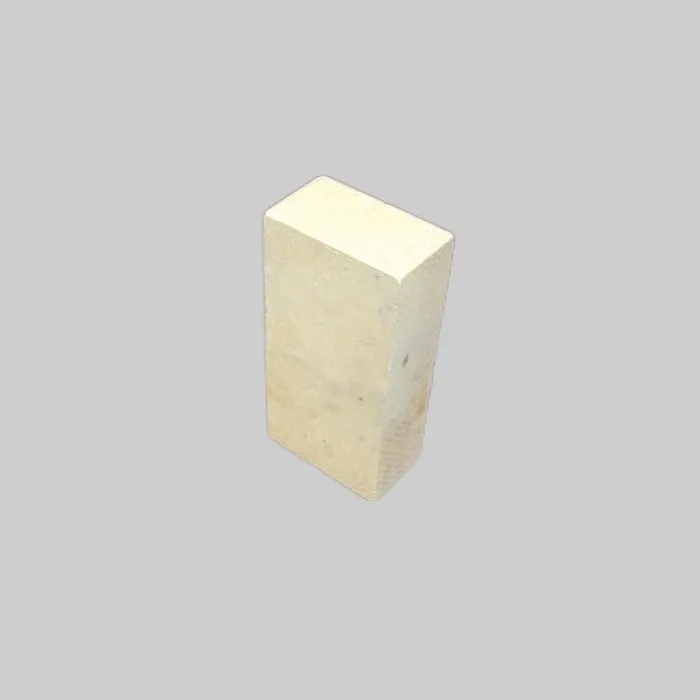
As a supplier of SK34 firebrick, we pay great attention to quality control, and density is one of the key parameters we monitor. We use advanced testing equipment to measure the density of each batch of firebricks. Samples are taken from different parts of the production run to ensure that the density is within the specified range. This helps us to guarantee the consistent quality of our Sk34 Firebrick and meet the requirements of our customers.
Conclusion
The density of SK34 firebrick is a crucial property that affects its performance in various high - temperature applications. Whether you need high strength, good insulation, or a balance of both, understanding the density of the firebrick can help you make the right choice. As a reliable supplier of SK34 firebrick, we have the expertise and resources to provide you with high - quality firebricks that meet your specific needs. If you are interested in purchasing SK34 firebrick or have any questions about its properties, please feel free to contact us for further discussion and procurement negotiation.
References
- "Refractories Handbook", Second Edition, by Peter C. Pistorius and Robert J. Fruehan.
- "High - Temperature Materials and Technology", Edited by M. W. Barsoum and T. El - Rifai.