

Hey there! As a supplier of calcined bauxite, I've been getting a lot of questions lately about how it stacks up against other refractory materials. So, I thought I'd take a deep dive into this topic and share my insights with you all.
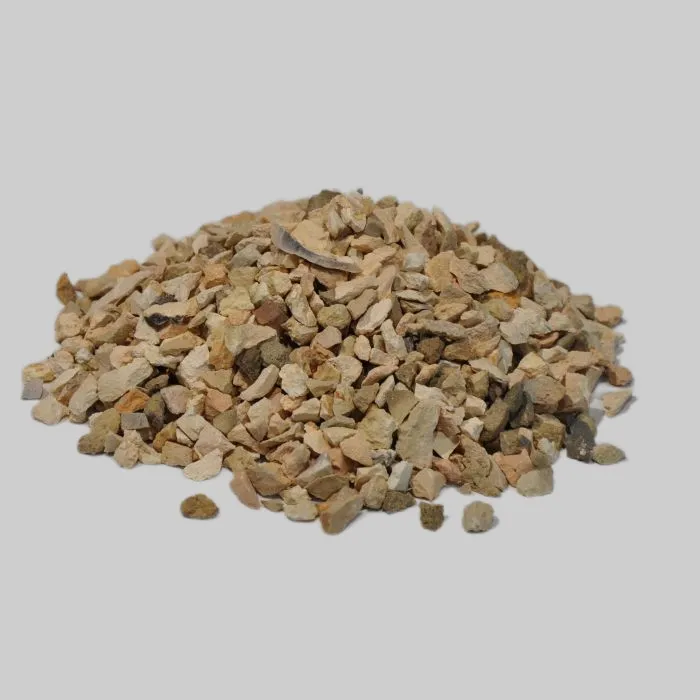
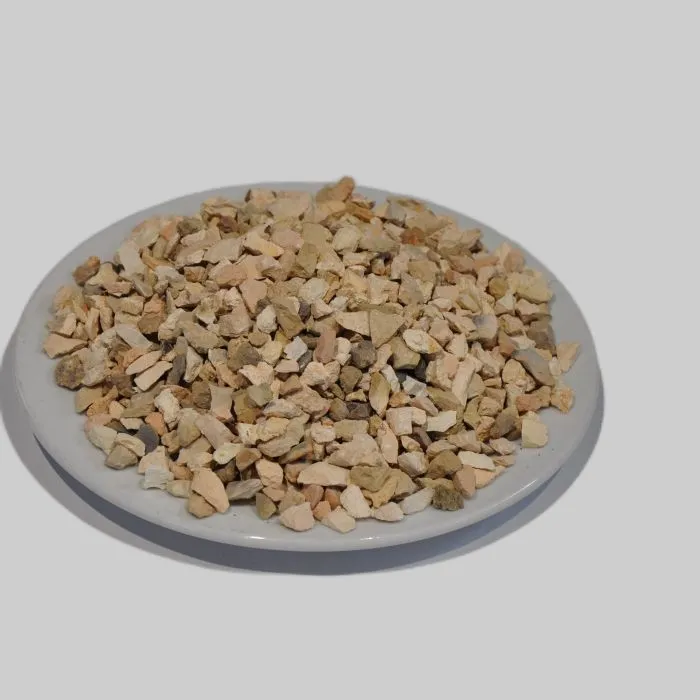
First off, let's talk about what calcined bauxite is. Calcined bauxite is a high - alumina material produced by heating bauxite ore at high temperatures. This process removes impurities and transforms the bauxite into a hard, dense material with excellent refractory properties. We offer different types of calcined bauxite, such as Rotary Kiln Bauxite, Rotary Kiln Calcined Bauxite, and High Purity Calcined Bauxite.
Now, let's compare it with other common refractory materials.
1. Fireclay
Fireclay is one of the most widely used refractory materials. It's relatively inexpensive and easy to work with. But when it comes to high - temperature applications, calcined bauxite has a clear edge. Fireclay typically has an alumina content ranging from 25% - 45%. In contrast, calcined bauxite can have an alumina content of over 80%. This high alumina content gives calcined bauxite a much higher melting point and better thermal stability.
For example, in a furnace where temperatures can reach over 1500°C, fireclay may start to lose its strength and integrity over time. Calcined bauxite, on the other hand, can withstand these extreme temperatures without significant degradation. So, if you're dealing with high - heat processes, calcined bauxite is a more reliable choice.
2. Magnesite
Magnesite refractories are known for their excellent resistance to basic slag and high - temperature performance in basic environments. They have a high magnesia content, which makes them ideal for applications in steelmaking and other industries where basic slags are present.
However, magnesite has some limitations. It's more brittle compared to calcined bauxite and can be prone to cracking under thermal shock. Calcined bauxite, with its relatively high toughness, can better withstand sudden changes in temperature. Also, magnesite is often more expensive than calcined bauxite. If your application doesn't require the specific properties of magnesite for basic slag resistance, calcined bauxite can be a cost - effective alternative.
3. Silicon Carbide
Silicon carbide is another popular refractory material. It has outstanding thermal conductivity, high strength, and good resistance to abrasion. These properties make it suitable for applications like aluminum smelting and ceramic kilns.
But silicon carbide has a major drawback: it oxidizes at high temperatures in the presence of oxygen. This oxidation can lead to a loss of its properties over time. Calcined bauxite, being more chemically stable, doesn't have this issue. It can maintain its performance in oxidizing environments, making it a better choice for applications where oxidation is a concern.
Physical and Chemical Properties
Let's take a closer look at the physical and chemical properties that make calcined bauxite stand out.
Density
Calcined bauxite has a relatively high density, which contributes to its strength and durability. A higher density means that the material is more compact and less porous. This reduces the penetration of molten metals and slags, which can cause corrosion and damage to the refractory lining.
Hardness
It is also very hard. This hardness gives it excellent abrasion resistance. In industries where there is a lot of mechanical wear, such as in cement kilns or mining operations, calcined bauxite can last much longer than other refractory materials.
Chemical Inertness
As mentioned earlier, calcined bauxite is chemically inert. It doesn't react easily with most acids, bases, and molten metals. This makes it suitable for a wide range of applications, from chemical processing plants to metal - melting furnaces.
Applications
Calcined bauxite's unique properties make it suitable for a variety of applications.
Steel Industry
In the steel industry, calcined bauxite is used in ladles, tundishes, and furnace linings. Its high - temperature resistance and chemical stability help to protect the equipment from the harsh conditions of steelmaking. It can also improve the quality of the steel by preventing contamination from the refractory lining.
Cement Industry
Cement kilns operate at extremely high temperatures. Calcined bauxite is used in the kiln linings due to its ability to withstand the mechanical and thermal stresses. Its abrasion resistance also helps to extend the lifespan of the lining, reducing maintenance costs.
Foundry Industry
In foundries, calcined bauxite is used in molds and cores. Its high strength and thermal stability ensure that the molds can withstand the heat of the molten metal without deforming or breaking.
Cost - Effectiveness
When it comes to cost, calcined bauxite offers great value for money. While it may be more expensive than some basic refractory materials like fireclay, its longer lifespan and better performance mean that you'll save money in the long run. You won't have to replace the refractory lining as often, and you'll also reduce the risk of equipment downtime due to refractory failure.
Conclusion
So, to sum it up, calcined bauxite has a lot of advantages over other refractory materials. Its high - temperature resistance, chemical stability, strength, and abrasion resistance make it a top choice for many industrial applications. Whether you're in the steel, cement, or foundry industry, calcined bauxite can help you improve the efficiency and reliability of your operations.
If you're interested in learning more about our calcined bauxite products or have any questions about how it can fit into your specific application, don't hesitate to reach out. We're here to help you make the right choice for your business.
References
- "Refractories Handbook" by various authors
- Industry reports on refractory materials and their applications