

In the realm of refractory materials, alumina bricks and magnesia bricks stand out as two prominent options, each with its distinct characteristics, applications, and performance attributes. As an alumina brick supplier, I am well - versed in the features of alumina bricks and can provide a detailed comparison with magnesia bricks.
Chemical Composition and Mineralogy
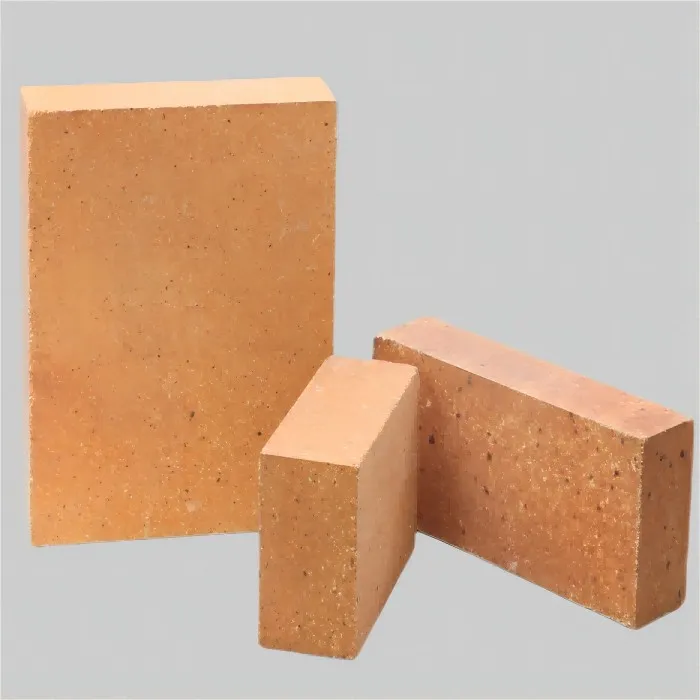
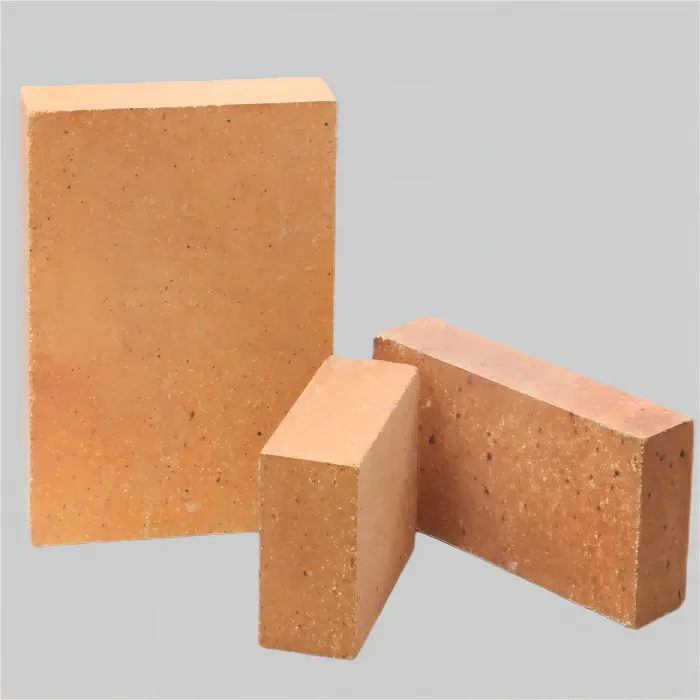
Alumina bricks are primarily composed of aluminum oxide (Al₂O₃). The content of Al₂O₃ can vary widely, typically ranging from 48% to over 99%. The mineral phases in alumina bricks mainly include corundum (α - Al₂O₃) and mullite (3Al₂O₃·2SiO₂). The high - purity alumina bricks with a high corundum content offer excellent refractoriness and mechanical strength.
On the other hand, magnesia bricks are made from magnesium oxide (MgO). The MgO content in magnesia bricks is usually above 85%. The main mineral phase is periclase (MgO). Magnesia bricks may also contain small amounts of other oxides such as calcium oxide (CaO), silica (SiO₂), and iron oxide (Fe₂O₃), which can form various secondary phases that affect the brick's properties.
Physical Properties
Refractoriness
Both alumina and magnesia bricks are known for their high refractoriness. Alumina bricks can generally withstand temperatures up to 1700 - 1900°C, depending on the alumina content. High - alumina bricks with a very high Al₂O₃ content can have even higher refractoriness.
Magnesia bricks, however, have an even higher refractoriness, often capable of withstanding temperatures in excess of 2000°C. This makes magnesia bricks suitable for applications where extremely high temperatures are encountered, such as in some steel - making processes and certain high - temperature industrial furnaces.
Thermal Conductivity
Alumina bricks have relatively low thermal conductivity. This property is beneficial as it helps in reducing heat loss from the furnace, improving energy efficiency. The thermal conductivity of alumina bricks can be further optimized by controlling the porosity and the microstructure of the bricks.
Magnesia bricks typically have a higher thermal conductivity compared to alumina bricks. While this may lead to slightly higher heat losses, in some applications where rapid heat transfer is required, magnesia bricks can be advantageous.
Mechanical Strength
Alumina bricks exhibit good mechanical strength at both room temperature and high temperatures. They can resist mechanical stresses caused by handling, installation, and the weight of the furnace charge. The strength of alumina bricks is mainly determined by the alumina content and the bonding phase between the particles.
Magnesia bricks also have high mechanical strength, but they are more brittle compared to alumina bricks. This brittleness can make them more prone to cracking during handling and thermal cycling.
Chemical Resistance
Resistance to Acidic Slags
Alumina bricks have good resistance to acidic slags. The aluminum oxide in the bricks can react with acidic components in a controlled manner, forming a protective layer on the surface of the brick. This makes alumina bricks suitable for use in environments where acidic slags are present, such as in some non - ferrous metal smelting processes.
Magnesia bricks, being basic in nature, are not resistant to acidic slags. When in contact with acidic slags, magnesia bricks can react vigorously, leading to rapid corrosion and degradation of the bricks.
Resistance to Basic Slags
Magnesia bricks are highly resistant to basic slags. The magnesium oxide in the bricks can form stable compounds with basic components in the slags, providing excellent protection against corrosion. This makes magnesia bricks the material of choice for applications in steel - making converters and other processes where basic slags are prevalent.
Alumina bricks have limited resistance to basic slags. In the presence of basic slags, the alumina in the bricks can react with the basic components, causing the bricks to deteriorate over time.
Applications
Alumina Bricks
Alumina bricks find a wide range of applications in various industries. In the ceramic industry, Ceramic Refractory Bricks are used in kilns for firing ceramics. The low thermal conductivity of alumina bricks helps in maintaining a uniform temperature inside the kiln, ensuring high - quality ceramic products.
In the glass industry, alumina bricks are used in glass melting furnaces. They can withstand the high temperatures and the corrosive environment created by the molten glass.
In the cement industry, Rotary Kiln Brick Lining often uses alumina bricks. The mechanical strength and refractoriness of alumina bricks make them suitable for lining the rotary kilns, which operate at high temperatures and are subject to mechanical wear.
Magnesia Bricks
Magnesia bricks are mainly used in the steel industry. They are used in the lining of basic oxygen furnaces (BOFs), electric arc furnaces (EAFs), and ladles. The high refractoriness and excellent resistance to basic slags make magnesia bricks ideal for these applications.
In the non - ferrous metal industry, magnesia bricks can be used in some processes where basic environments are required, such as in the smelting of certain metals like nickel and copper.
Cost Considerations
Alumina bricks are generally more cost - effective compared to magnesia bricks. The raw materials for alumina bricks are more abundant and easier to process, resulting in a lower production cost. This makes alumina bricks a popular choice for many industrial applications where high - performance refractory materials are needed at a reasonable price.
Magnesia bricks, due to the higher cost of raw materials and more complex production processes, are relatively more expensive. However, in applications where their unique properties are essential, the higher cost is often justified.
Conclusion
In summary, alumina bricks and magnesia bricks have distinct differences in terms of chemical composition, physical properties, chemical resistance, applications, and cost. Alumina bricks are versatile, cost - effective, and suitable for a wide range of industrial applications, especially those involving acidic environments or where low thermal conductivity is required. Magnesia bricks, on the other hand, are ideal for applications with extremely high temperatures and basic environments.
As an alumina brick supplier, I can offer high - quality Fire Heat Bricks that meet the diverse needs of different industries. If you are looking for reliable refractory solutions, I encourage you to reach out for further discussion on your specific requirements. Whether it's for a small - scale furnace or a large - scale industrial plant, I am confident that our alumina bricks can provide the performance and durability you need. Contact me to start a procurement negotiation and find the best refractory solution for your business.
References
- Reed, J. S. (1995). Principles of Ceramics Processing. Wiley.
- Schneider, H., & Sommers, H. (2008). Refractories Handbook. Wiley - VCH.
- Zhang, L., & Zhang, W. (2012). Advances in Refractory Materials. Elsevier.