
What is the color of sk34 firebrick?
As a supplier of SK34 firebricks, I often encounter inquiries about the color of these specialized refractory products. Understanding the color of SK34 firebricks is not only a matter of aesthetic interest but also has implications for their quality, composition, and performance. In this blog post, I will delve into the topic of the color of SK34 firebricks, exploring the factors that influence it and what it can tell us about the product.
Understanding SK34 Firebricks
Before we discuss the color, let's briefly understand what SK34 firebricks are. SK34 firebricks are a type of high - alumina refractory brick. They are designed to withstand extremely high temperatures, making them ideal for use in industrial furnaces, kilns, and other high - heat applications. The "SK34" designation refers to a specific refractory classification, which indicates the brick's refractoriness under load (RUL) and other important thermal properties.
The Natural Color of SK34 Firebricks
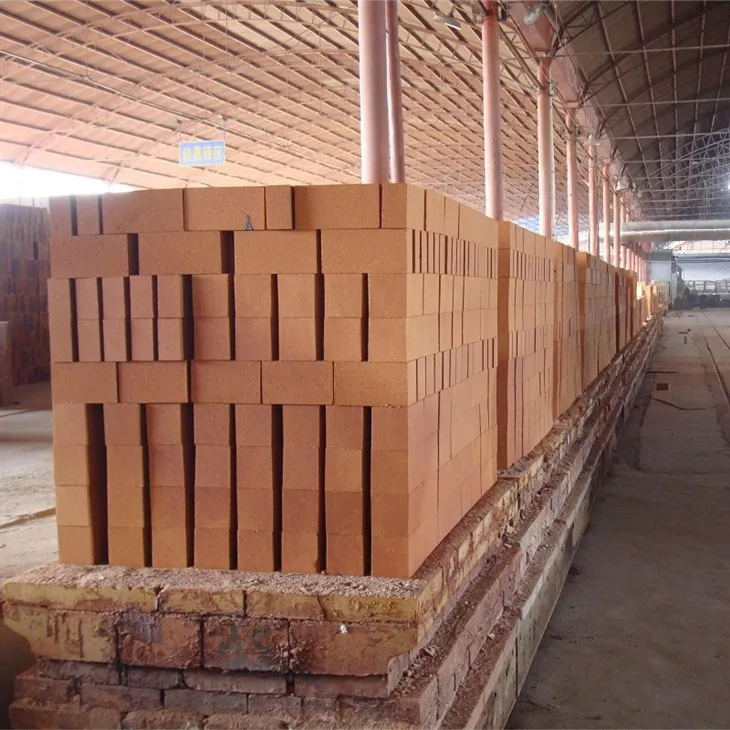
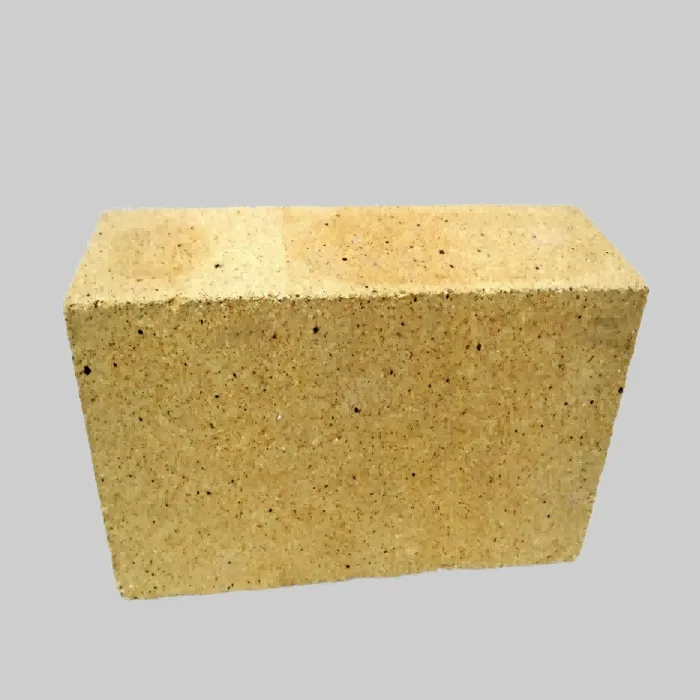
The natural color of SK34 firebricks typically ranges from light buff to a reddish - brown hue. This color is primarily determined by the raw materials used in their production. High - alumina firebricks like SK34 are made from bauxite or other alumina - rich minerals. The presence of iron oxide impurities in these raw materials is one of the main factors contributing to the color. Iron oxide can impart a reddish or brownish tint to the bricks.
In addition to iron oxide, other trace elements and minerals in the raw materials can also influence the color. For example, the presence of titanium dioxide may give the bricks a slightly yellowish undertone, while manganese can cause a more purplish or grayish tint in some cases.
Color Variations and Quality
It's important to note that some color variations within the normal range do not necessarily indicate a problem with the quality of the SK34 firebricks. In fact, a certain degree of color variation is expected due to the natural variability of the raw materials and the manufacturing process. However, significant and abnormal color differences can be a sign of issues.
For instance, if a batch of SK34 firebricks has a much darker or lighter color than usual, it could be due to improper mixing of the raw materials, inconsistent firing temperatures, or the use of sub - standard raw materials. These issues can potentially affect the physical and thermal properties of the bricks, such as their strength, thermal conductivity, and resistance to thermal shock.
The Role of Firing in Color
The firing process is another crucial factor that affects the color of SK34 firebricks. During firing, the bricks are heated to very high temperatures in a kiln. The firing temperature and the atmosphere in the kiln can have a significant impact on the color.
If the firing temperature is too low, the bricks may not fully develop their characteristic color and may appear lighter or more uneven. On the other hand, over - firing can cause the bricks to become darker and may even lead to changes in their microstructure, which can affect their performance. The atmosphere in the kiln, whether it is oxidizing or reducing, also plays a role. An oxidizing atmosphere can enhance the oxidation of iron and other elements, resulting in a more pronounced reddish - brown color, while a reducing atmosphere may produce a different color effect.
Color and Application
The color of SK34 firebricks can also have some implications for their application. In some industrial settings, the color may be used as a quick visual indicator of the type and quality of the refractory material. For example, in a furnace where different types of firebricks are used, the color can help workers easily distinguish between SK34 firebricks and other types of bricks.
Moreover, in certain applications where aesthetics are also a consideration, such as in some high - end kilns or furnaces that are visible to the public, the color of the firebricks can contribute to the overall appearance of the equipment.
Related Products
If you are interested in other types of firebricks, we also offer a range of related products. For example, our Hot Blast Fire Brick is designed specifically for high - heat blast furnace applications. It has excellent thermal shock resistance and high strength, making it suitable for the harsh conditions in blast furnaces.
Our Hard Fire Brick is known for its exceptional hardness and abrasion resistance. It is often used in areas where the bricks are subject to mechanical wear, such as in the linings of chutes and hoppers.
And for applications where space is limited or a thinner refractory layer is required, our Thin Refractory Brick is an ideal choice. It provides good insulation and thermal protection while taking up less space.
Contact for Purchase and Consultation
If you are in the market for SK34 firebricks or any of our other refractory products, we invite you to contact us for more information. Our team of experts can provide detailed technical specifications, pricing, and help you determine the best product for your specific application. Whether you are building a new industrial furnace, renovating an existing kiln, or need refractory materials for any other high - heat project, we are here to assist you.
References
- ASTM International. Standard Specification for High - Alumina Refractory Brick. ASTM C27 - 17.
- Perry, R. H., & Green, D. W. (Eds.). Perry's Chemical Engineers' Handbook. McGraw - Hill Education.
- Schneider, H., & Somers, J. (2002). Refractories Handbook. CRC Press.