

Hey there! As a well block supplier, I often get asked about the fatigue strength of well blocks. So, I thought I'd dive into this topic and share some insights.
First off, let's understand what well blocks are. Well blocks are crucial components in the steel - making process. They're part of the continuous casting system, which is all about making steel production more efficient. The Well Blcok sits at the bottom of the tundish and helps control the flow of molten steel into the mold. It's like the gatekeeper of the steel - making party!
Now, fatigue strength. Fatigue strength is the ability of a material to withstand repeated loading and unloading cycles without failing. In the case of well blocks, they face some seriously harsh conditions. Molten steel is super hot, usually around 1500 - 1600 degrees Celsius. That's hot enough to melt most things! And on top of that, well blocks have to deal with the mechanical stress from the flow of the molten steel and the pressure changes during the casting process.
There are a few factors that can affect the fatigue strength of well blocks. One of the big ones is the material it's made of. Well blocks are typically made from refractory materials. These are special materials that can handle high temperatures. Some common refractory materials for well blocks include alumina - graphite, magnesia - carbon, and zirconia - graphite. Each material has its own properties and fatigue - resistance capabilities.
Alumina - graphite well blocks are quite popular. Alumina is a hard and strong material, and graphite adds some flexibility and good thermal conductivity. This combination helps the well block resist thermal shock, which is a sudden change in temperature that can cause cracks. When a well block experiences thermal shock, it can weaken the material and reduce its fatigue strength. So, having good thermal shock resistance is a plus.
Magnesia - carbon well blocks are also used. Magnesia has high refractoriness, which means it can withstand high temperatures really well. The carbon in the material helps with its strength and resistance to chemical attack from the molten steel. However, magnesia - carbon well blocks might be more prone to oxidation at high temperatures, which can affect their long - term fatigue strength.
Zirconia - graphite well blocks are known for their excellent corrosion resistance. Zirconia has a high melting point and good chemical stability. Graphite, as I mentioned before, gives it some flexibility. This type of well block can be a great choice when dealing with very aggressive molten steel or in applications where corrosion is a major concern.
Another factor that affects fatigue strength is the manufacturing process. A well - made well block will have a more uniform structure, which is better for withstanding fatigue. During manufacturing, proper mixing of the raw materials is crucial. If the materials aren't mixed evenly, there can be weak spots in the well block. These weak spots can act as stress concentrators during the casting process. When stress concentrates in one area, it can cause cracks to form more easily, and that's bad news for fatigue strength.
The density of the well block also matters. A higher - density well block generally has better strength and fatigue resistance. During the manufacturing process, techniques like pressing and sintering are used to increase the density of the well block. Pressing forces the raw materials together, and sintering is a heat - treatment process that bonds the particles in the material.
The design of the well block plays a role too. A well - designed well block will have a shape that distributes the stress evenly during the casting process. For example, if the well block has sharp corners, stress can concentrate there. Rounded edges and a smooth internal surface can help reduce stress concentrations and improve fatigue strength.
Let's talk about how we test the fatigue strength of well blocks. There are a few different methods. One common way is to use a laboratory test where the well block is subjected to cyclic loading. This can simulate the repeated stress it would experience during the actual casting process. The test measures how many cycles the well block can withstand before it fails.
Another test method involves looking at the well block's performance in real - world applications. By monitoring well blocks in steel plants, we can gather data on how they hold up over time. This real - world data is super valuable because it takes into account all the factors that might affect the well block in a practical setting, like the specific type of molten steel, the casting speed, and the operating conditions.
Now, why is fatigue strength so important for well blocks? Well, if a well block fails due to fatigue during the casting process, it can cause some serious problems. A cracked or broken well block can lead to leaks of molten steel. Molten steel is extremely dangerous, and a leak can cause safety hazards for the workers in the steel plant. It can also disrupt the casting process, leading to production delays and increased costs.
Moreover, a well block with good fatigue strength means a longer service life. This is great for steel plants because they don't have to replace the well blocks as often. It reduces downtime for maintenance and replacement, which in turn increases the overall efficiency of the steel - making process.
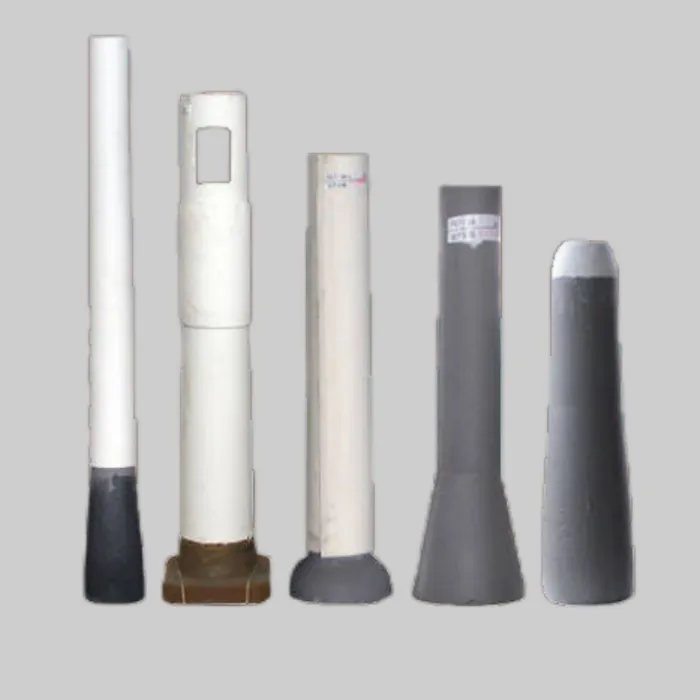
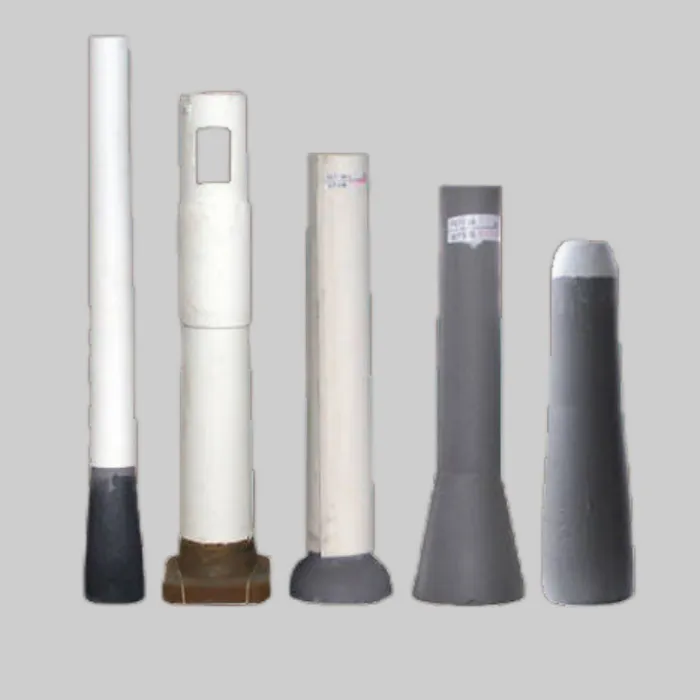
If you're in the market for well blocks, you might also be interested in related products like Sub Entry Nozzle and Subentry Nozzle. These are also important components in the continuous casting system. Sub - entry nozzles are used to guide the molten steel from the well block into the mold. They also need to have good fatigue strength and resistance to corrosion and thermal shock.
In conclusion, the fatigue strength of well blocks is a crucial aspect to consider in the steel - making industry. As a well block supplier, I understand the importance of providing high - quality well blocks with good fatigue strength. Whether you're a small - scale steel producer or a large - scale industrial plant, having reliable well blocks can make a big difference in your production process.
If you're interested in learning more about well blocks or are thinking about purchasing them for your steel - making operations, I'd love to have a chat. We can discuss your specific needs, the best materials for your application, and how to ensure you get well blocks with optimal fatigue strength. Feel free to reach out and start a conversation about your well block requirements. Let's work together to make your steel - making process more efficient and reliable.
References:
- "Refractories Handbook" - A comprehensive guide on refractory materials and their applications in the steel industry.
- Industry research papers on continuous casting technology and the performance of well blocks.
- Manufacturer's technical data sheets for different types of well blocks and related refractory products.