

Hey there! As a fire brick supplier, I often get asked about the heat resistance of fire bricks. It's a crucial factor, especially for those in industries like metallurgy, ceramics, and glass manufacturing. So, let's dive right in and explore what heat resistance really means for fire bricks.
First off, what exactly is heat resistance? In simple terms, it's the ability of a fire brick to withstand high temperatures without losing its structural integrity or undergoing significant chemical changes. This property is super important because fire bricks are used in environments where temperatures can soar to extreme levels. For example, in a steelmaking furnace, the temperature can reach up to 1600°C (2912°F). That's hot enough to melt most metals! So, the fire bricks lining the furnace need to be able to handle these intense temperatures without breaking down.
There are several factors that affect the heat resistance of fire bricks. One of the most important is the composition of the brick. Different types of fire bricks are made from various materials, each with its own unique heat - resistant properties.
Let's start with Chrome Brick. Chrome bricks are made primarily from chromium oxide. They have excellent heat resistance and are often used in applications where high temperatures and chemical corrosion are a concern. The chromium oxide in these bricks forms a stable layer at high temperatures, which helps protect the brick from further damage. Chrome bricks can typically withstand temperatures up to 1700°C (3092°F). This makes them ideal for use in areas like the lining of cement kilns and certain types of industrial furnaces.
Another type is the Corundum Brick. Corundum bricks are made from alumina (Al₂O₃). Alumina is a very hard and heat - resistant material. These bricks have high thermal conductivity and can handle temperatures up to 1800°C (3272°F). They are commonly used in high - temperature furnaces, such as those used in the production of advanced ceramics and some metal - melting processes. The high alumina content gives corundum bricks their excellent heat - resistant and mechanical properties.
Then there's the Silicon Carbide Rubbing Brick. Silicon carbide is a compound of silicon and carbon. These bricks have extremely high thermal conductivity and can withstand temperatures up to 1900°C (3452°F). They are often used in applications where rapid heat transfer is required, such as in some types of heat - treating furnaces. The unique structure of silicon carbide allows it to conduct heat very efficiently, making it a great choice for high - performance applications.
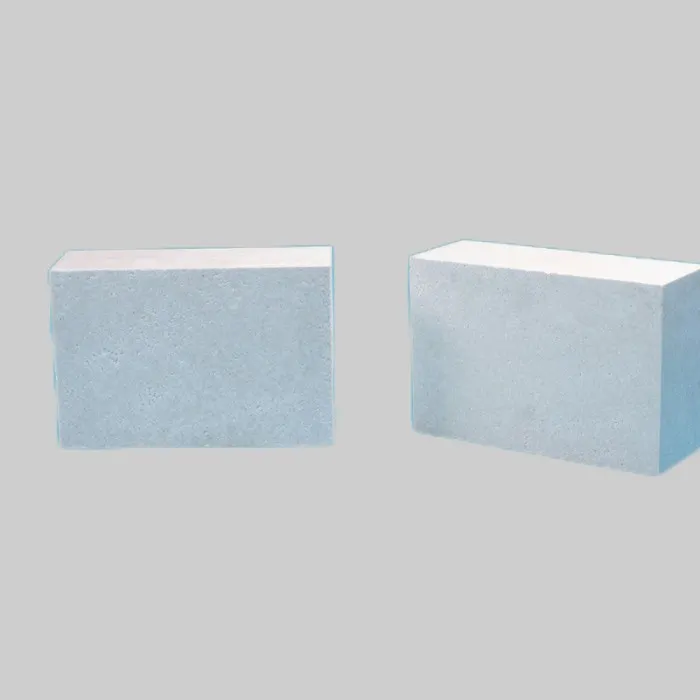
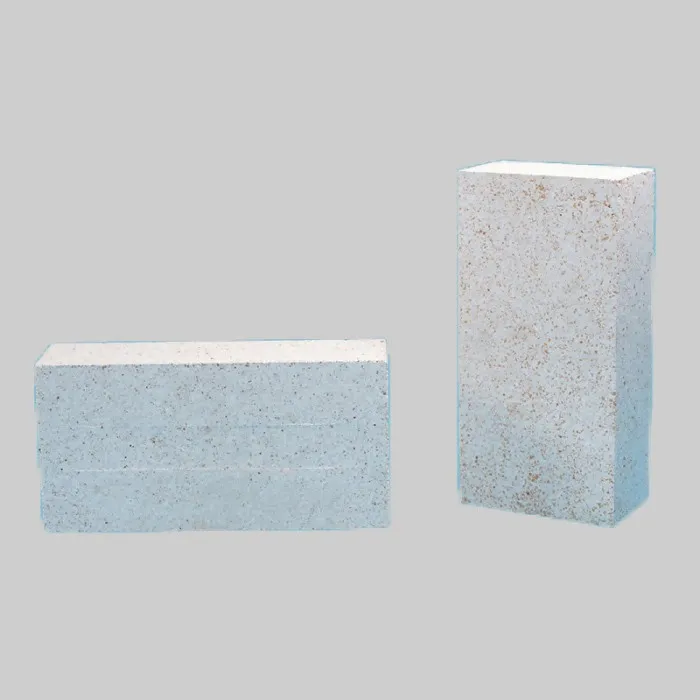
But heat resistance isn't just about the maximum temperature a brick can handle. It also involves how well the brick can maintain its properties over time at high temperatures. For example, some fire bricks may start to lose their strength or become more porous after being exposed to high temperatures for an extended period. This can lead to problems like cracking or spalling, which can reduce the effectiveness of the brick lining.
To test the heat resistance of fire bricks, manufacturers use a variety of methods. One common test is the pyrometric cone equivalent (PCE) test. In this test, small cones made from the same material as the fire brick are heated alongside a standard set of cones with known melting points. The PCE of the fire brick is determined by comparing the deformation of the test cones to the standard cones. This gives an indication of the temperature at which the brick will start to deform under load.
Another important aspect of heat resistance is thermal shock resistance. Thermal shock occurs when a material is subjected to rapid changes in temperature. For example, when a furnace is heated up quickly or cooled down rapidly, the fire bricks inside can experience thermal stress. If the bricks don't have good thermal shock resistance, they can crack or break. Some fire bricks are designed with features like low thermal expansion coefficients to help improve their thermal shock resistance.
When choosing fire bricks for a particular application, it's important to consider not only the maximum temperature but also the operating conditions. Factors like the presence of chemicals, the type of fuel being used, and the frequency of temperature changes all play a role in determining the best type of fire brick for the job.
As a fire brick supplier, I've seen firsthand the importance of getting the right fire bricks for the right application. Using the wrong type of brick can lead to costly repairs, downtime, and even safety hazards. That's why I always work closely with my customers to understand their specific needs and recommend the most suitable fire bricks.
If you're in the market for fire bricks and need help with choosing the right ones based on heat resistance and other factors, don't hesitate to reach out. Whether you're building a new furnace or replacing an old brick lining, I'm here to assist you. We have a wide range of high - quality fire bricks in stock, and we can also provide technical support to ensure that you get the best performance from your fire brick installation.
In conclusion, heat resistance is a critical property of fire bricks. Different types of fire bricks, such as chrome bricks, corundum bricks, and silicon carbide rubbing bricks, offer varying levels of heat resistance depending on their composition and design. By understanding the factors that affect heat resistance and choosing the right fire bricks for your application, you can ensure the long - term performance and safety of your high - temperature equipment. So, if you have any questions or are ready to start your fire brick purchase, just let me know.
References
- "Handbook of Refractory Materials"
- Industry standards for fire brick testing and performance