

Hey there! I'm a supplier of raw materials, and today I'm super excited to chat with you about the raw materials used in making stationery. Stationery is something we use every day, from pens and pencils to notebooks and erasers. But have you ever stopped to think about what goes into making these everyday essentials? Well, let's dive right in!
Wood
One of the most common raw materials for making stationery is wood. Wood is used to make the barrels of pencils. It's a natural and renewable resource, which makes it a popular choice. Different types of wood can be used, but cedar is often preferred because it's lightweight, easy to sharpen, and has a nice smell. The wood is first cut into small slats, which are then grooved to hold the graphite core. After that, the slats are glued together, and the pencils are cut to the right length and shaped.
Graphite
Graphite is what gives pencils their ability to write. It's a form of carbon that's soft and leaves a mark on paper. Graphite is mined from the earth and then processed to make it suitable for use in pencils. The graphite is mixed with clay to create a paste, and the ratio of graphite to clay determines the hardness or softness of the pencil lead. For example, a pencil with a higher graphite content will be softer and leave a darker mark, while a pencil with more clay will be harder and leave a lighter mark.
Paper
Paper is another key raw material for stationery. It's used in notebooks, notepads, envelopes, and so much more. Paper is made from cellulose fibers, which can come from a variety of sources, including wood pulp, cotton, and recycled paper. The process of making paper involves breaking down the fibers, mixing them with water to form a pulp, and then pressing and drying the pulp to create a sheet of paper. Different types of paper have different properties, such as thickness, smoothness, and absorbency, which make them suitable for different types of stationery.
Plastic
Plastic is widely used in stationery manufacturing. It's used to make pen barrels, erasers, rulers, and many other items. There are different types of plastics, such as polypropylene, polyethylene, and polystyrene. Plastic is popular because it's lightweight, durable, and can be easily molded into different shapes. For example, pen barrels are often made by injection molding, where molten plastic is injected into a mold to create the desired shape.
Metal
Metal is also an important raw material for stationery. It's used in things like pen nibs, staples, and paper clips. Stainless steel and brass are commonly used metals. Pen nibs are usually made from stainless steel because it's corrosion-resistant and can hold its shape well. Staples and paper clips are often made from brass because it's strong and has a nice finish.
Ink
Ink is what allows us to write with pens. There are different types of inks, such as fountain pen ink, ballpoint pen ink, and marker ink. Fountain pen ink is usually water-based and contains dyes or pigments to give it color. Ballpoint pen ink is thicker and more viscous, and it's designed to flow smoothly through the ball at the tip of the pen. Marker ink is often alcohol-based and is used for writing on different surfaces.
Bubble Alumina
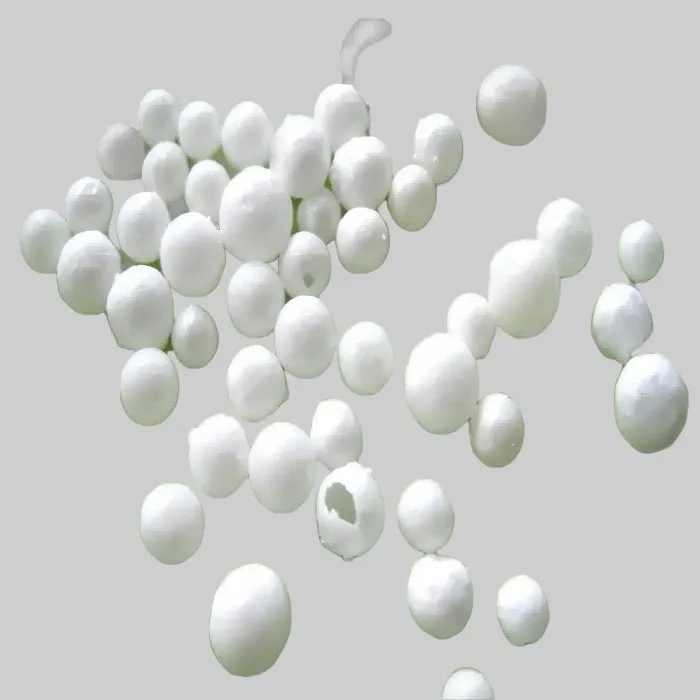
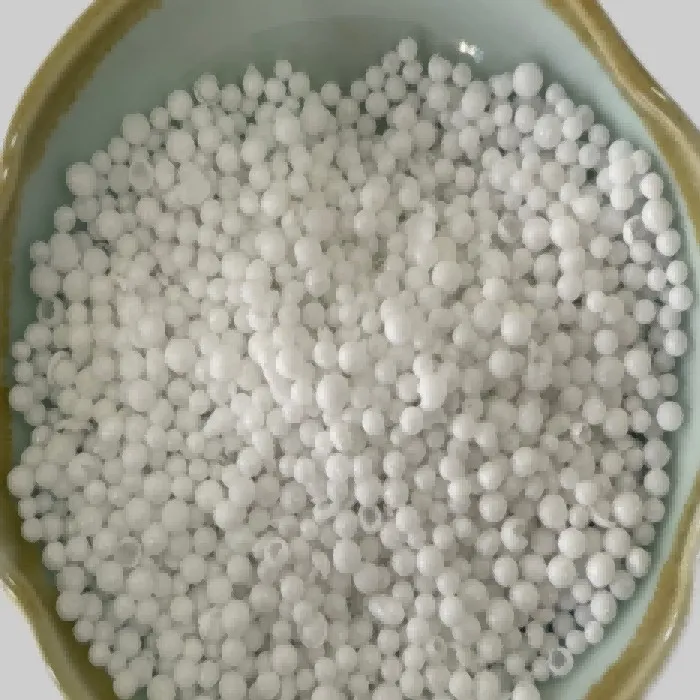
Now, let's talk about Bubble Alumina. Bubble alumina is a unique raw material that can be used in some high - end stationery products. It has excellent thermal insulation properties and a low bulk density. In stationery, it can be used in the manufacturing of certain types of writing instruments or cases where heat resistance or lightweight construction is required. Its porous structure gives it some interesting physical properties that can be exploited in innovative stationery designs.
Synthetic Cordierite
Another interesting raw material is Synthetic Cordierite. Synthetic cordierite has a low thermal expansion coefficient, which means it doesn't expand or contract much with changes in temperature. This property makes it suitable for use in stationery items that need to maintain their shape and dimensions under different environmental conditions. For example, it could be used in the frames of high - precision rulers or in the casings of some high - end writing tools.
Rubber
Rubber is used to make erasers. Natural rubber or synthetic rubber can be used. Rubber erasers work by picking up the graphite or ink particles from the paper when rubbed. The rubber is often mixed with other materials to improve its erasing ability and durability. For example, some erasers are made with a soft rubber compound that can easily remove pencil marks without smudging, while others are designed to be more abrasive for removing ink.
Adhesives
Adhesives are crucial in the manufacturing of stationery. They are used to bond different parts together, such as gluing the pages of a notebook or attaching the pen nib to the barrel. There are different types of adhesives, including hot - melt adhesives, epoxy adhesives, and pressure - sensitive adhesives. Hot - melt adhesives are popular because they set quickly and have good bonding strength.
As a raw material supplier, I understand the importance of providing high - quality materials for the stationery industry. Whether you're a small - scale stationery manufacturer or a large - scale producer, having access to reliable and high - quality raw materials is essential for creating great products.
If you're in the market for raw materials for your stationery business, I'd love to have a chat with you. I can offer a wide range of raw materials at competitive prices, and I'm always here to help you find the right materials for your specific needs. Don't hesitate to reach out and start a conversation about your procurement requirements. Let's work together to create amazing stationery products!
References
- "The Chemistry of Pencils" - Journal of Chemical Education
- "Paper Making: Principles and Practice" - A comprehensive guide on paper manufacturing
- "Plastics in Modern Manufacturing" - An overview of plastic applications in various industries, including stationery